
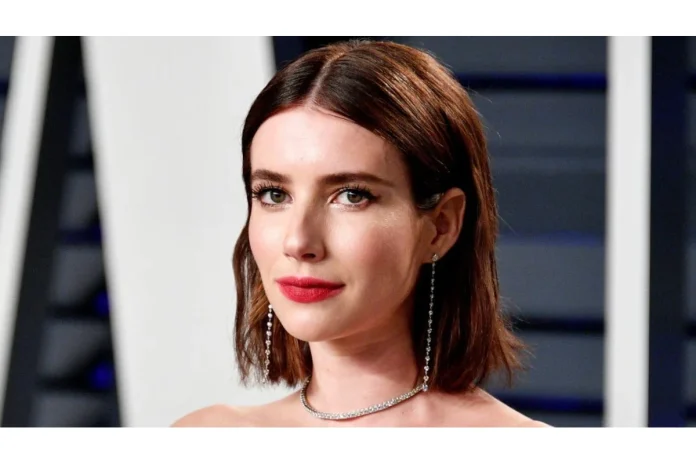
Mark Stephen Waters Bio
Mark Stephen Waters (born June 30, 1964) is an American film director and producer whose work spans teen comedies, family adventures, and supernatural dramas. Over a career that began in the mid-1990s, he has shaped several culturally resonant films, including Freaky Friday, Mean Girls, and Ghosts of Girlfriends Past, while also exploring family-oriented titles such as Mr. Popper’s Penguins. His filmography reflects a clear interest in blending humor, emotional warmth, and visual energy, often within genre-driven stories aimed at broad audiences.
Trained as a theatre artist before transitioning to film, Waters developed a distinctive directorial voice early in his career and has remained active across both theatrical releases and television projects. Beyond his well-known comedies, he has ventured into darker material with Vampire Academy and lighter family fare, demonstrating a willingness to move between tones and formats. His body of work has made him a recognizable name among viewers of mainstream Hollywood productions from the 2000s onward.
Early Life and Background
Mark Stephen Waters was born on June 30, 1964, in Wyandotte, Michigan, in the United States. He was raised in South Bend, Indiana, where he spent his formative years before pursuing higher education. His brother, Daniel Waters, is also involved in the entertainment industry as a writer, suggesting an early household familiarity with storytelling and screen work.
Waters studied theatre arts at the University of Pennsylvania, where his interest in adapting stage material for the screen began to take shape. While at Penn, he attended a production of the play The House of Yes and became convinced that its qualities could translate effectively to cinema. He contacted the play’s author, Wendy MacLeod, secured a manuscript copy, and began laying the groundwork for what would become his first feature film.
Following his time at the University of Pennsylvania, Waters worked as a stage actor and director in Philadelphia and San Francisco, gaining hands-on experience with live performance. He later enrolled at the American Film Institute Conservatory, where he completed his graduate training and graduated in 1994. During his studies at AFI, he also produced a number of short films, sharpening the technical and narrative skills that would define his transition into feature directing.
Path to Directing
Waters’s path to directing was shaped by a combination of academic theatre training and practical stage experience. After graduating from AFI in 1994, he moved quickly into independent filmmaking. His feature directorial debut, The House of Yes, adapted the very play that had first captured his imagination as a student and starred Parker Posey. The film was well received on the independent circuit and helped establish his early reputation for directing character-driven stories with a sharp comedic edge.
That early success opened doors to larger studio projects, allowing Waters to expand his range across genres. He went on to direct Head Over Heels, a romantic comedy-thriller, signaling his ability to handle lighter mainstream material. His growing portfolio, paired with his AFI credentials and indie credibility, positioned him to take on higher-profile Hollywood productions in the early 2000s, marking his transition from independent film to studio features.
Mark Stephen Waters Career
Early Career (1994–2002)
Waters’s earliest directing credits trace back to 1994, the year he graduated from the American Film Institute Conservatory. His first feature, The House of Yes, introduced him to critics and audiences as a director with a confident command of dialogue-driven storytelling and ensemble casting. The film’s success on the independent film circuit gave him the momentum needed to secure studio assignments in the years that followed.
During this period, Waters also worked on short films and built relationships with producers and writers that would support his move into larger productions. He followed The House of Yes with Head Over Heels, a mainstream romantic comedy that broadened his exposure. These early projects, though varied in tone, established a pattern of versatility that would carry through the rest of his career.
Breakthrough (2003–2009)
Waters reached a wide audience with Freaky Friday in 2003, a family-oriented comedy that became a commercial hit and remains one of his most recognized films. The following year, he directed Mean Girls, a teen comedy that grew into a cultural touchstone and further cemented his reputation for sharp, witty, and emotionally resonant mainstream filmmaking. These two films, released in quick succession, defined his association with smart, character-focused comedies.
He continued this successful run with Ghosts of Girlfriends Past in 2009, a romantic comedy that explored themes of relationships and personal growth. Across these projects, Waters worked with established comedic actors and rising stars, demonstrating a consistent ability to draw engaging performances from his casts. The breakthrough phase of his career firmly positioned him as a reliable director of studio comedies aimed at family and teen audiences.
Notable Works and Milestones
Among Mark Stephen Waters’s signature works are Freaky Friday, Mean Girls, Ghosts of Girlfriends Past, Mr. Popper’s Penguins, and Vampire Academy, each representing a different phase of his career. These titles span family comedy, teen satire, romantic comedy, family adventure, and supernatural drama, illustrating the range he has developed since his indie debut. Together, they form a filmography that balances commercial appeal with directorial personality.
Mark Stephen Waters Family
Mark Stephen Waters’s brother, Daniel Waters, is a screenwriter known for his work in Hollywood, creating a familial connection to the entertainment industry. Their shared background reflects a household environment in which storytelling and film were familiar pursuits.
Personal Life
Mark Stephen Waters has been married to Dina Spybey Waters since 2000. The couple has two children. Waters has generally kept his personal life out of the public spotlight, focusing public attention instead on his body of work as a director and producer across film and television.