
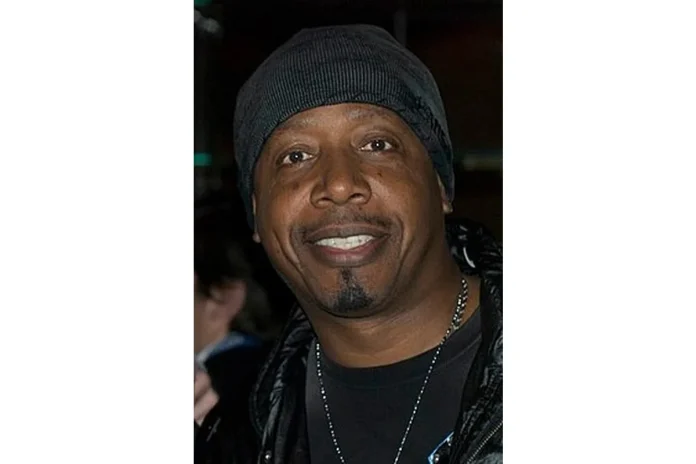
MC Hammer Bio
Stanley Kirk Burrell (born 30 March 1962), known professionally as MC Hammer, is an American rapper, dancer, record producer and entrepreneur. He rose to international fame in the late 1980s and early 1990s through energetic live performances, elaborate choreography and chart-topping releases such as “U Can’t Touch This” and the diamond-selling album Please Hammer Don’t Hurt ‘Em (1990). Hammer is widely credited with popularizing the flashy “Hammer pants” look and helping bring pop-oriented rap to mainstream audiences.
Beyond music, Hammer founded record labels, produced new artists, pursued business and technology ventures, and later became an ordained minister. Although he faced a high-profile bankruptcy beginning in 1996, he has remained active in recording, performance, community work and digital media, with more than 50 million records sold worldwide.
Early Life and Background
Stanley Kirk Burrell was born in Oakland, California, on 30 March 1962. He was raised by his mother, a secretary, and his father, Louis Burrell Sr., a professional poker player and gambling casino manager, alongside eight siblings in a small East Oakland apartment. The family was far from wealthy, and six of the children shared a three-bedroom housing project unit. The Burrells were also passionate about thoroughbred horse racing and eventually became owners and winners of several graded stakes events.
As a young boy, Burrell sold stray baseballs in the Oakland Coliseum parking lot and danced alongside a beatboxer. The energy and flair he displayed caught the attention of Oakland Athletics owner Charlie Finley, who hired the 11-year-old as a clubhouse assistant and batboy from 1973 to 1980. A’s star Reggie Jackson gave him the nickname “Hammer” because of his resemblance to baseball legend Hank Aaron, and Burrell soon earned additional monikers such as “Little Hammer” and “Pipeline.”
Burrell graduated from McClymonds High School in Oakland in 1980 and took undergraduate classes in communications. After failing to make the cut at a San Francisco Giants tryout, he enlisted in the United States Navy. He served with Patrol Squadron FOUR SEVEN (VP-47) at NAS Moffett Field in Mountain View, California, as a petty officer third class aviation storekeeper, receiving an honorable discharge after three years of service.
Path to Music
While on the road with the Oakland Athletics and during his time in the Navy, Burrell began performing as a master of ceremonies at various clubs, adopting the “MC” prefix that would later become part of his famous stage name. In 1984, he joined Bible studies, participated in street ministry, and formed a Christian rap group with singer Jon Gibson known as the Holy Ghost Boys. He also produced the track “Son of the King” during this period, eventually releasing it on his debut album.
In the mid-1980s, Hammer rapped in small venues around the Bay Area. After a record deal fell through, he borrowed money from former Oakland Athletics players Mike Davis and Dwayne Murphy to start an independent record label. As CEO of Bust It Productions, he sold records from his basement and car trunk while building a local following through relentless street marketing. This grassroots approach laid the foundation for his eventual breakthrough into mainstream success.
MC Hammer Career
Early Career (1985–1988)
Now billing himself as “MC Hammer,” he recorded songs for his debut album Feel My Power in 1986. Originally released on his independent Bustin’ Records label via Oaktown Records and produced by Felton Pilate of Con Funk Shun, the album sold more than 60,000 copies and gained popularity in San Francisco Bay Area dance clubs. The single “Ring ‘Em” was released in 1987, and Hammer soon signed a multi-album contract with Capitol Records worth $1,750,000.
His Capitol debut Let’s Get It Started, released in 1988, was a revised version of Feel My Power with additional tracks. It sold over two million copies and produced popular singles such as “Pump It Up,” “Turn This Mutha Out,” “Let’s Get It Started” and “They Put Me in the Mix.” The success of this album established Hammer as a major new voice in hip-hop and gave him the financial and creative momentum to undertake his most ambitious project yet.
Breakthrough (1990–1991)
Hammer’s third album Please Hammer Don’t Hurt ‘Em was released on February 12, 1990. It included the smash single “U Can’t Touch This,” which sampled Rick James’s “Super Freak,” and follow-up hits such as “Pray” and a cover of the Chi-Lites’ “Have You Seen Her.” The album became the first hip-hop record to achieve diamond status, selling more than 18 million units, and spent 21 weeks at No. 1 on the Billboard 200.
In 1991, Hammer released Too Legit to Quit, which sold more than five million copies and peaked in the Top 5 of the Billboard 200. The title track “2 Legit 2 Quit” reached No. 5 on the Billboard Hot 100, while “Addams Groove” climbed to No. 7 in the US and No. 4 in the UK. He also produced and starred in the film Please Hammer Don’t Hurt ‘Em: The Movie, hosted the Saturday-morning cartoon Hammerman, and launched major marketing campaigns for companies such as Pepsi, KFC, Toshiba, British Knights and Taco Bell.
Notable Works and Milestones
Hammer’s signature work, Please Hammer Don’t Hurt ‘Em, remains the best-selling hip-hop album of all time, while “U Can’t Touch This” became a permanent fixture in film soundtracks, television shows and commercials. His elaborate stage shows, featuring fifteen dancers, twelve backup singers, seven live musicians and two disc jockeys, set a new template for hip-hop performance that many artists continue to follow.
MC Hammer Award Nominations
MC Hammer has received multiple award nominations throughout his career, including nominations at the 33rd Annual Grammy Awards for Best Rap Performance by a Duo or Group for the West Coast Rap All-Stars posse cut “We’re All in the Same Gang.” His film Please Hammer Don’t Hurt ‘Em: The Movie also earned him a nomination for Best Long Form Music Video at the 33rd Grammy Awards.
MC Hammer Awards Won
MC Hammer has won three Grammy Awards, all in 1990, for Best Rhythm and Blues Song, Best Rap Solo and Best Music Video: Long Form, the latter shared with Rick James and Alonzo Miller. He has also received eight American Music Awards, a People’s Choice Award, an NAACP Image Award and the Billboard Diamond Award, the first ever presented to a hip-hop artist. In 1991, he was honored with the Soul Train Music Award for Sammy Davis Jr. Award for Entertainer of the Year.
| Award | Wins | Year |
|---|---|---|
| Grammy Award for Best Rhythm and Blues Song | 1 | 1990 |
| Grammy Award for Best Rap Solo | 1 | 1990 |
| Grammy Award for Best Music Video: Long Form | 1 | 1990 |
| American Music Awards | 8 | Various |
| People’s Choice Award | 1 | Various |
| NAACP Image Award | 1 | Various |
| Billboard Diamond Award | 1 | Various |
| Soul Train Sammy Davis Jr. Award for Entertainer of the Year | 1 | 1991 |
MC Hammer Family
Hammer and his wife Stephanie have been married since 21 December 1985, after meeting at a church revival meeting. The couple has five children and also raised Hammer’s nephew. His eldest child, A’Keiba Burrell, appeared as a contestant on MTV’s Rock the Cradle in April 2008, a show in which Hammer himself also made appearances. His father, Louis Burrell Sr., worked as a gambling casino manager and warehouse supervisor, while his brother Louis Burrell Jr. served as his business manager.
Personal Life
Hammer resides in Tracy, California, with his wife Stephanie. He became an ordained minister during the late 1990s and hosted the Christian ministry program MC Hammer and Friends on the Trinity Broadcasting Network. He has also officiated at the weddings of several celebrities, including actor Corey Feldman and musician Vince Neil. Hammer is a self-described technology enthusiast and was among the earliest major celebrities to embrace social media platforms such as Twitter, where he maintained a large following.