
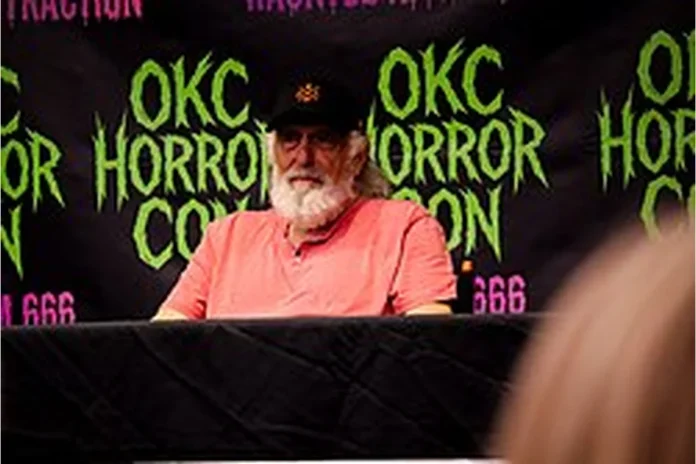
Nick Castle Bio
Nicholas John Castle Jr. (born September 21, 1947) is an American film director, screenwriter, and actor whose career spans genre and mainstream studio filmmaking. He originated the masked killer Michael Myers in John Carpenter’s Halloween (1978), co-wrote Escape from New York (1981) with Carpenter, and directed commercially notable features including The Last Starfighter (1984) and Major Payne (1995).
Castle’s work crosses horror, science fiction, family comedy, and drama, reflecting a versatile career that began in the early 1970s and continues with occasional acting and writing credits. He is credited both behind the camera as a director and writer and in front of the camera in the performance that established Michael Myers as an enduring figure in horror cinema.
Early Life and Background
Nicholas John Castle Jr. was born on September 21, 1947, in Los Angeles, California. Raised in the Southern California environment that produced a number of film industry figures, Castle entered the film world at a young age and began working in production and small acting parts during the 1970s.
Castle attended the University of Southern California where he overlapped with classmates who would become frequent collaborators, including John Carpenter. That early association with fellow students who went on to careers in genre film provided creative and professional connections that shaped Castle’s early trajectory in cinema.
Path to Celebrity
Castle’s earliest film work included assisting on independent science fiction and cult productions. He contributed to the production of Dark Star and appeared in a small on-screen role there, gaining hands-on experience in low-budget filmmaking that informed his later work as a writer and director. Those early jobs taught Castle practical filmmaking skills and an economy of storytelling that served him well when he moved into larger studio projects.
Castle built a reputation through both acting and writing. His performance as the masked antagonist in Halloween made him an immediate part of a major cultural touchstone, while his collaboration with John Carpenter on screenwriting projects expanded his profile as a creator. The combination of performance, collaboration, and a developing screenwriting résumé helped Castle transition into directing in the early 1980s.
Nick Castle Career
Early Career (1970–1982)
Castle’s professional activity begins in the 1970s with production and small acting credits and evolves into credited screenwriting and acting work by the late 1970s. His most visible early screen role came in 1978 when he portrayed Michael Myers in John Carpenter’s Halloween, a part that established a lasting association with the franchise and the horror genre.
Following Halloween, Castle pursued writing and directing opportunities. He co-wrote Escape from New York in 1981 with John Carpenter and made his directorial debut with Tag: The Assassination Game in 1982. These projects marked Castle’s formal move from behind-the-scenes support roles to principal creative roles in feature filmmaking.
Breakthrough (1978–1986)
Halloween (1978) was a breakthrough appearance that linked Castle permanently with the Michael Myers character. The masked performance in a low-budget, high-impact horror film helped establish both the film’s success and Castle’s public recognition. He later returned to the Halloween series with cameo appearances in the 2018 sequel and its follow-ups, contributing to the character’s ongoing legacy.
As a screenwriter, Castle co-wrote Escape from New York (1981), a high-profile science fiction action film that expanded his reputation beyond acting into genre storytelling. The film, directed by John Carpenter, became an influential example of dystopian action cinema and highlighted Castle’s capacity for creating high-concept material.
Castle’s directorial breakthrough came with The Last Starfighter (1984), a science fiction adventure that used early digital visual effects and became notable for its imaginative premise and family-friendly tone. He followed with The Boy Who Could Fly (1986), a drama with fantasy elements that earned him recognition as a director capable of handling emotionally driven material as well as speculative concepts.
Notable Works and Milestones
Across his career Castle has alternated between genre projects and mainstream studio comedies. Signature works include his portrayal of Michael Myers in Halloween, his co-writing credit on Escape from New York, and directorial credits on The Last Starfighter, The Boy Who Could Fly, Dennis the Menace (1993), and Major Payne (1995). These films demonstrate his range from horror to family entertainment and broad comedy.
Nick Castle Award Nominations
Publicly available records in the supplied sources emphasize award wins rather than a comprehensive list of nominations. Specific verified nominations are not detailed in the supplied material, though Castle’s films and screenplays have received industry recognition across genre award bodies.
Nick Castle Awards Won
Verified award wins attributed to Castle in the provided sources include a Saturn Award for Best Writing for The Boy Who Could Fly. Additional festival and international recognitions listed in the supplied material include a Grand Prize for The Last Starfighter, a Silver Raven for Delivering Milo, a Bronze Gryphon, and a Gold Medal of the Regional Council. These honors reflect both genre acclaim and festival recognition for his writing and directing work.
Nick Castle Family
Castle was born in Los Angeles, California. The provided sources do not include detailed, verifiable public information about his parents, partners, or children, so no additional personal family details are presented here.