
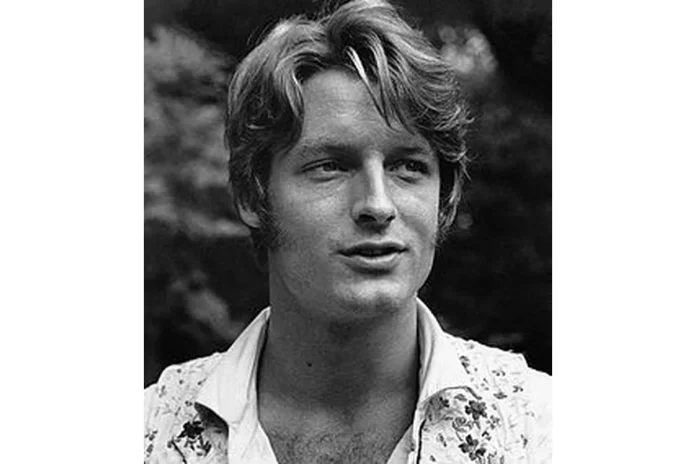
Perry King Bio
Perry Firestone King, born on April 30, 1948, is an American actor whose career has spanned more than five decades across film, television, and voice work. Raised in Alliance, Ohio, he trained rigorously in drama before moving into professional acting in the early 1970s. King first drew notice in the 1972 film Slaughterhouse-Five and went on to become a familiar face on both the big screen and the small screen.
He is best known for starring in the 1980s series The Quest and for appearances in films such as The Lords of Flatbush, Mandingo, and The Day After Tomorrow. Over the years, King has earned recognition including a Golden Globe nomination for his performance in the television movie The Hasty Heart.
Early Life and Background
Perry Firestone King was born on April 30, 1948, in Alliance, Ohio. His father worked as a physician, grounding the family in a professional medical household. King grew up in the small Midwestern city before pursuing higher education on the East Coast.
Through his maternal grandfather, Maxwell Perkins, the influential editor for the publishing house Charles Scribner’s Sons, King is descended from notable American figures including U.S. Senator William M. Evarts, English military engineer Lion Gardiner, and Roger Sherman, a signatory to the United States Declaration of Independence. This heritage connected him to a wider American historical lineage that informed his early worldview.
King received his formal dramatic training at Yale University, where he earned a degree in drama. He later continued his studies at the Juilliard School and the Stella Adler Studio of Acting, sharpening the craft that would carry him into a long professional career.
Path to Acting
King’s path into acting began with serious academic training at Yale and Juilliard, where he developed a disciplined approach to performance. His additional work at the Stella Adler Studio of Acting added depth to his understanding of character and motivation, giving him a strong technical foundation before he entered the industry.
He made his film debut in 1972 with a role in Slaughterhouse-Five, the adaptation of Kurt Vonnegut’s novel. This early placement in a major studio production helped establish him in Hollywood and led to additional film work in the mid-1970s.
Throughout the mid-1970s, King built his resume with roles in The Lords of Flatbush in 1974 and Mandingo in 1975. These parts positioned him within an active generation of working film actors and set the stage for his later television success.
Perry King Career
Early Career (1972-1982)
Following his debut in Slaughterhouse-Five, King took on supporting roles in The Lords of Flatbush and Mandingo, gaining experience on notable film sets. During this period, he also auditioned for the role of Han Solo in Star Wars, though the part ultimately went to Harrison Ford. He later voiced the character in radio adaptations of Star Wars and its sequels.
He supplemented his film work with steady television appearances, building a reputation as a reliable on-screen presence throughout the late 1970s. This consistent output prepared him for the leading television roles that defined the next phase of his career.
Breakthrough (1983-2004)
In 1983, King landed the starring role in the television series The Quest, a project that brought him widespread recognition. That same year, he earned a Golden Globe nomination for Best Actor for his performance in the television film The Hasty Heart, a remake of the 1949 film of the same title.
In 1984, he joined the cast of the series Riptide as Cody Allen, further cementing his television profile. He continued to take on varied television work through the 1990s, including the role of Hayley Armstrong on Melrose Place in 1995 and Richard Williams in the NBC series Titans with Yasmine Bleeth in 2000.
King also returned to film in a notable way in 2004, portraying the President of the United States in the climate-disaster feature The Day After Tomorrow. Across these years, he balanced leading and supporting roles in both genres, demonstrating range across drama, action, and adventure material.
Notable Works and Milestones
King’s signature works include The Quest, Riptide, and The Hasty Heart, each marking key moments in his television career. His Golden Globe nomination in 1983 underscored the critical regard earned by his dramatic work, while The Day After Tomorrow demonstrated his capacity for high-profile feature roles.
Perry King Award Nominations
Perry King has earned recognition from major industry bodies across his career. His most prominent nomination came from the Golden Globe Awards, where he was nominated for Best Actor for his performance in the 1983 television film The Hasty Heart. He has also received a Golden Apple Award nomination, reflecting peer and press appreciation for his on-screen work.
Perry King Awards Won
Verified award wins for Perry King are not clearly established in available sources. As a result, no specific wins are listed here. Industry recognition for his performances remains documented primarily through his Golden Globe and Golden Apple nominations.
Perry King Family
King was raised in Alliance, Ohio, by a family with strong professional roots; his father worked as a physician. Through his maternal grandfather, Maxwell Perkins, the famed editor for Charles Scribner’s Sons, King is connected to a distinguished American lineage that includes U.S. Senator William M. Evarts and Roger Sherman, a signatory to the United States Declaration of Independence.
Personal Life
Perry King has been married and divorced twice and is a father of two daughters, with at least one granddaughter. Beyond acting, he is an avid motorcyclist who was featured on Huell Howser’s California’s Gold discussing his collection of motorcycles and sidecars. In December 2008, the American Motorcyclist Association appointed him to its Board of Directors, recognizing his longstanding engagement with the motorcycling community.