
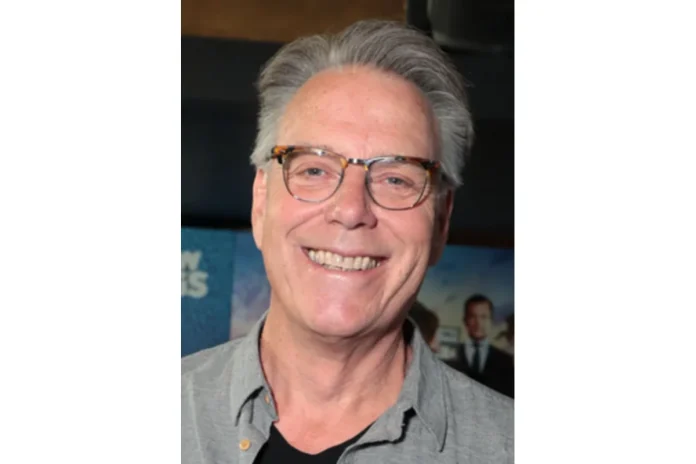
Raja Gosnell Bio
Raja Raymond Gosnell (born December 9, 1958) is an American film editor and director whose career spans more than four decades in Hollywood. He first built a reputation as a trusted editor on major studio comedies before stepping behind the camera to shape a string of family-friendly blockbusters. His filmography as a director includes popular titles such as Home Alone 3 (1997), Never Been Kissed (1999), Big Momma’s House (2000), the theatrical Scooby-Doo films (2002 and 2004), Beverly Hills Chihuahua (2008), and the live-action Smurfs adaptations (2011 and 2013).
Gosnell is widely recognized for blending mainstream commercial appeal with broad audience accessibility, often working on films designed for family viewing. While many of his directorial projects received mixed reviews from critics, they frequently performed strongly at the box office. In addition to his directing work, he continues to take on editing assignments, maintaining a dual presence in post-production and on set.
Early Life and Background
Raja Raymond Gosnell was born on December 9, 1958, in Los Angeles, California. He is named after his father’s friend, Raja Mohideen, an early detail that reflects his family’s ties to the broader Los Angeles community. Growing up in the city placed him in close proximity to the heart of the American entertainment industry, an environment that would later influence his professional direction.
From an early age, Gosnell was drawn to storytelling and visual media, though specific details about his childhood interests remain limited in public records. His Los Angeles upbringing provided exposure to film production and the cultural landscape of Southern California, which served as a natural foundation for a future in the entertainment industry. The combination of family roots and geographic location set the stage for his entry into the film world.
As a young man, Gosnell pursued opportunities that would lead him toward film editing rather than a traditional academic route. His early professional training appears to have been shaped by on-the-job experience within the industry, an approach common among editors who develop their craft through apprenticeship-style work. This hands-on beginning proved central to his eventual rise as both an editor and a director.
Path to Directing
Gosnell’s path to directing began in the editing room. His career officially started in 1980, when he joined director Robert Altman as an assistant editor on the film Popeye. The experience offered him an inside look at large-scale studio production and introduced him to the rhythm of working with established filmmakers. His first solo editing credit came on the film The Silence, marking his transition from assistant to full editor.
Throughout the 1980s and early 1990s, Gosnell built a strong editing résumé, working on films such as Teen Wolf Too, Pretty Woman, and Rookie of the Year. He also developed a notable collaboration with director Chris Columbus, editing Home Alone (1990), Home Alone 2: Lost in New York (1992), and Mrs. Doubtfire (1993). These projects sharpened his timing with comedic material and family-oriented storytelling, skills that would later define his directorial style.
His transition to directing came when writer and producer John Hughes was seeking a director for Home Alone 3 (1997). Gosnell accepted the opportunity, making his feature directorial debut. The film launched his directing career and established him as a reliable choice for mainstream family comedies, opening the door to a series of high-profile projects over the following decade.
Raja Gosnell Career
Early Career (1980–1996)
Gosnell’s early career was defined by his work in post-production. Beginning as an assistant editor on Robert Altman’s Popeye in 1980, he quickly advanced to solo editing assignments. His work on Pretty Woman and the Home Alone films demonstrated his ability to shape performances and timing in major studio comedies. These years laid the technical and creative foundation for his eventual move into directing.
His editing partnership with Chris Columbus became one of the defining relationships of his early career. The success of Home Alone and Mrs. Doubtfire brought Gosnell into contact with some of the most commercially successful family films of the era. By the mid-1990s, he had established himself as one of Hollywood’s most dependable comedy editors, respected for his pacing and precision.
Breakthrough (1997–2013)
Gosnell’s breakthrough as a director arrived with Home Alone 3 (1997), his feature debut. The film introduced him to audiences as a capable handler of family-oriented comedy and led directly to a string of high-profile assignments. He followed with Never Been Kissed (1999), starring Drew Barrymore, and Big Momma’s House (2000), a major comedy hit starring Martin Lawrence. These films cemented his reputation as a director capable of delivering broad commercial entertainment.
In 2002, Gosnell directed Scooby-Doo, a live-action adaptation of the beloved animated series, followed by its sequel, Scooby-Doo 2: Monsters Unleashed (2004). He continued with the family remake Yours, Mine & Ours (2005) and Beverly Hills Chihuahua (2008), the latter becoming a surprise box-office success. He then directed The Smurfs (2011) and its sequel The Smurfs 2 (2013), both produced by Sony Pictures Animation as live-action and CGI hybrids.
While many of these films received mixed critical reviews, they consistently performed well commercially, reinforcing Gosnell’s value to studios seeking reliable box-office returns. His ability to translate established properties into accessible family films made him a recurring choice for franchise-based projects during this period.
Notable Works and Milestones
Among his most notable directorial achievements are Big Momma’s House, the Scooby-Doo theatrical films, and the Smurfs franchise. These titles represent his strongest commercial performers and reflect his consistent work within the family comedy genre. His collaboration with major stars, including Martin Lawrence and Drew Barrymore, highlights his reach within mainstream Hollywood productions.
Raja Gosnell Family
Raja Gosnell is the father of Bradley Gosnell, his son. In 2021, father and son collaborated on the project Gun and a Hotel Bible, which Raja co-directed alongside Bradley Gosnell and Alicia Joy LeBlanc. The collaboration reflects a shared interest in filmmaking within the Gosnell family and marks a meaningful professional milestone.
Personal Life
Gosnell maintains an active presence in Hollywood, balancing work as both a director and an editor. His career has remained focused on family-oriented comedy and mainstream entertainment throughout multiple decades. Information about his personal relationships, residences, and additional family members beyond his son is not widely documented in publicly available sources.