
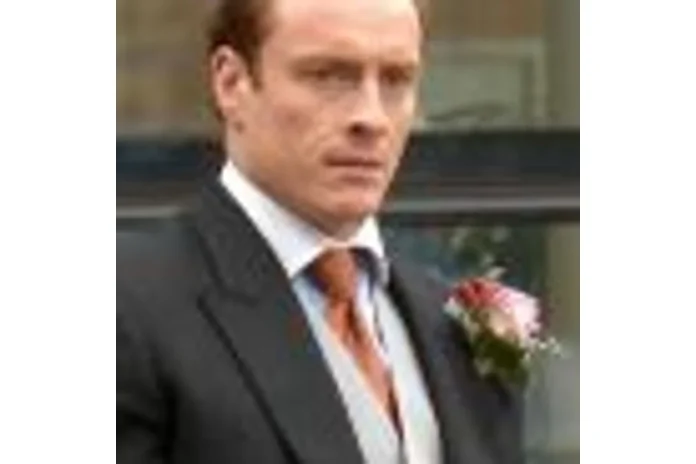
Richard Coyle Bio
Richard Coyle (born 6 February 1972) is an English actor who has worked across film, television and stage since the late 1990s. He first gained broad recognition for his comic turn as Jeff Murdock in the television sitcom Coupling and has since built a varied career that includes dramatic film roles, genre work and high-profile stage leads.
Early Life and Background
Richard Coyle was born in Sheffield, England, in February 1972 and grew up as the fourth of five sons; his father worked as a builder. He discovered performance while working on a ferry entertaining passengers, an early experience that helped convince him to pursue acting professionally.
Coyle studied at the University of York in the mid-1990s before training at the Bristol Old Vic Theatre School, graduating in 1998. Those formative years established a foundation in classical and contemporary theatre that has informed both his stage and screen work.
Path to Celebrity
Coyle began appearing on British television and in film in the late 1990s, with early credits that include television adaptations and small film roles which led to wider casting opportunities. His casting as Jeff Murdock in the 2000 sitcom Coupling brought him national recognition and introduced him to a mainstream audience.
Following his television breakthrough, Coyle pursued a deliberate mix of stage and screen projects to avoid typecasting, moving between supporting and leading roles in films, television dramas and major stage productions. That mix of work allowed him to establish a reputation for range and adaptability.
Richard Coyle Career
Early Career (1998–2003)
After graduating from Bristol Old Vic Theatre School in 1998, Coyle appeared in television productions and small film roles that showcased his versatility and range. These early credits included BBC period drama work and appearances in ensemble films before his casting in a major television comedy.
In 2000 he secured the role of Jeff Murdock in Coupling, a part that became his most visible early credit and a turning point for his screen career. He chose not to return for the fourth series of Coupling, a decision he described as aimed at avoiding typecasting and preserving long-term opportunities as a dramatic actor.
Television Breakthrough (2000–2012)
Coyle’s television breakthrough on Coupling opened doors to a steady stream of screen roles across genres. He moved into dramatic television and recurring roles, including a multi-season arc on the USA Network drama Covert Affairs in which he played the character Simon Fischer, an FSB agent and recurring love interest for the central character.
Across the 2000s and early 2010s Coyle balanced television with leading parts in telefilms and limited series, demonstrating an ability to handle both comedic and dramatic material while expanding his presence on international productions.
Stage and Film Breakthrough (2002–2014)
On stage, Coyle has taken prominent leading roles from early in his career, originating the lead in Peter Gill’s 2002 premiere of The York Realist and appearing in productions such as Proof at the Donmar Warehouse. He played the title role in Michael Grandage’s production of Don Carlos from 2004 into its West End transfer and continued to take significant stage roles thereafter.
In film, Coyle has appeared in period and genre work, including The Libertine (2004) and Mike Newell’s Prince of Persia: The Sands of Time (2010), in which he played the Crown Prince Tus. He led the television-film adaptation of Terry Pratchett’s Going Postal and appeared in Renny Harlin’s 5 Days of War, showcasing a capacity for lead and supporting roles in both independent and studio contexts.
Recent Stage and Screen (2014–Present)
In the 2010s and beyond Coyle continued to move between high-profile stage productions and genre television and film. He appeared as Macduff in Kenneth Branagh’s staging of Macbeth at the Park Avenue Armory in New York City in 2014 and originated roles in new plays such as James Graham’s Ink in the West End.
More recent screen work includes casting in the Netflix series Chilling Adventures of Sabrina as Father Faustus Blackwood and a role as Aberforth Dumbledore in Fantastic Beasts: The Secrets of Dumbledore. In 2022 Coyle starred in the West End debut of Aaron Sorkin’s adaptation of To Kill a Mockingbird, playing Atticus Finch, and in 2024 he appeared in the West End production of Player Kings.
Acting Style and Strengths
Richard Coyle is known for a measured, adaptable stage presence and for blending comic timing with dramatic intensity when required. His training and steady stage work underpin a disciplined approach to text and character, while his screen roles demonstrate facility with both period material and contemporary genre pieces.
Notable Events and Milestones
Key milestones include his early lead in The York Realist, the wide recognition that came from Coupling, his title role in Don Carlos and his West End lead as Atticus Finch in To Kill a Mockingbird. His casting in major film franchises and international television series marks a sustained crossover between stage and screen at a high level.
Richard Coyle Family
Family Background and Racing Lineage
Coyle was raised in Sheffield where his father worked as a builder; he is the fourth of five sons. That working-class upbringing and early exposure to performance shaped his practical approach to an acting career that blends commercial screen work with serious theatre.
Personal Life
Richard Coyle was married to actress Georgia Mackenzie from 2003 until their divorce in 2010. He has maintained a private personal life while continuing to work internationally on stage and screen.
Career Highlights and Other Work
Beyond screen and stage acting, Coyle has narrated numerous audiobooks, including works by H. P. Lovecraft and the H.I.V.E. series, and has recorded several Discworld titles featuring Moist von Lipwig. His additional work in voice and narration complements a varied portfolio of stage and screen roles.
Coyle’s career is marked by deliberate choices to move between mediums and genres, from sitcom comedy to classical theatre, high-profile film franchises and contemporary television dramas. That breadth has helped sustain a long-term presence in British and international acting circles.