
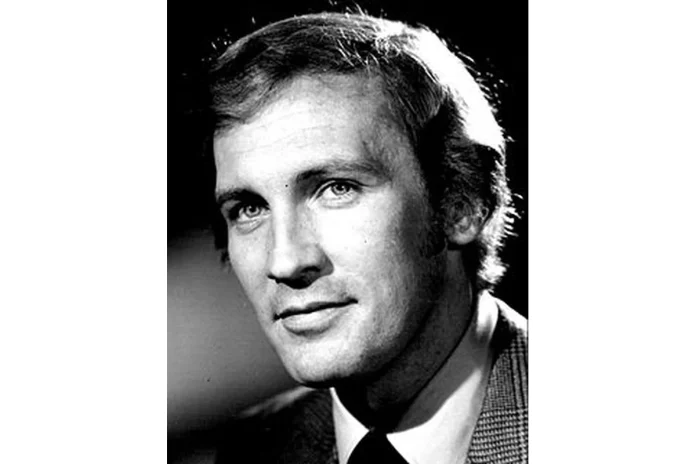
Roy Thinnes Bio
Roy Thinnes, born April 6, 1938, in Chicago, Illinois, is an American former television and film actor whose career spanned more than five decades. He is best known for his portrayal of the determined architect David Vincent in the 1967–1968 ABC science fiction series The Invaders, a role that became a touchstone of cult television. Beyond that signature performance, Thinnes built a diverse résumé that included disaster films, Alfred Hitchcock thrillers, prime-time soaps, and guest spots across genres.
Throughout his career, Roy Thinnes brought a calm, measured presence to speculative and dramatic storytelling, helping shape American television’s approach to science fiction and suspense. He remained active in film and television from 1957 through the mid-2000s, contributing memorable turns in projects ranging from Airport 1975 to The X-Files.
Early Life and Background
Roy Thinnes was born in Chicago, Illinois, on April 6, 1938, and is of German descent. He grew up in the Midwest during the years surrounding the Second World War, a period that shaped the values of discipline and service that would later inform his career choices. After completing his primary education in Chicago, Thinnes served in the United States Army as a military policeman, an experience that took him away from Illinois and exposed him to a broader view of the country.
Following his military service, Thinnes relocated to California, where he decided to pursue a career in the entertainment industry. He enrolled at Los Angeles City College, taking advantage of the institution’s strong performing arts programs and its proximity to the Hollywood studio system. This combination of military discipline, Midwestern roots, and West Coast training gave him a steady foundation as he began auditioning for television and film roles in the late 1950s.
Path to Acting
Roy Thinnes began his professional acting career in 1957, working steadily in small television parts while completing his studies at Los Angeles City College. His first primetime role came in 1962, when he appeared in the episode “A Fist of Five” of the Quinn Martin series The Untouchables, playing a brother of an ex-policeman portrayed by Lee Marvin. Later that same year, he took a small role as a cowboy named Harry in the long-running James Arness Western Gunsmoke, in the episode “False Front.”
His first significant break arrived in 1963, when he was cast as the “philandering Dr. Phil Brewer” on the ABC daytime drama General Hospital. Thinnes played the role from 1963 to 1965, a stretch that was later described as his big break and helped him transition into prime-time work. During this period, he also guest-starred on Quinn Martin’s Twelve O’Clock High and appeared in episodes of the CBS drama The Reporter, steadily building a reputation as a reliable and versatile performer.
Roy Thinnes Career
Early Career (1957–1965)
During the early 1960s, Roy Thinnes worked consistently in television, taking guest roles on series such as The Untouchables, Gunsmoke, and Twelve O’Clock High. His standout early performance came on General Hospital, where his portrayal of Dr. Phil Brewer gave him daily exposure and a loyal audience of daytime viewers. This visibility translated into offers for higher-profile prime-time work.
In 1965, Thinnes co-starred as Ben Quick in the short-lived ABC drama The Long Hot Summer, a 20th Century Fox Television production based on the works of William Faulkner. The series ran for one season, but during its run Thinnes reportedly received around 1,500 fan letters per week and was featured on the cover of TV Guide, signaling that he had become a recognizable television presence.
Breakthrough (1967–1976)
Thinnes’s career-defining moment arrived in 1967, when he was cast as David Vincent in the ABC science fiction series The Invaders. Vincent was an architect who accidentally witnessed the arrival of alien beings and waged a one-man campaign against them across forty-three episodes. The series ran for two seasons and became a cult classic, later cited as an influence on subsequent “aliens versus earthlings” films and television programs.
He followed The Invaders with a string of notable projects throughout the early 1970s, including the lead role of Dr. James Whitman in the short-lived series The Psychiatrist, and the title role in the supernatural TV movie The Norliss Tapes. In 1972, he starred in the British TV film Manhunter, a thriller in which he tracked a bank robbery suspect. The following year, he appeared in the TV movie Satan’s School for Girls as a suspicious schoolmaster.
Thinnes also became a familiar face in theatrical features during this period. He played the co-pilot in the disaster film Airport 1975 and a sadistic SS captain in The Hindenburg, both released in 1975. In 1976, he was cast as the nefarious jeweler Arthur Adamson in Alfred Hitchcock’s comedy-thriller Family Plot, though he was later replaced by William Devane after Devane became available, a change that reportedly led to a brief, silent encounter with Hitchcock in a restaurant.
Notable Works and Milestones
Among Roy Thinnes’s most celebrated works are The Invaders, which positioned him at #6 on TV Guide’s 2004 list of the 25 Greatest Sci-Fi Legends, and the 1969 British science fiction film Doppelgänger, released in the United States as Journey to the Far Side of the Sun. He also earned a place in the disaster-film canon with Airport 1975 and The Hindenburg, and added a Hitchcock credit to his filmography with Family Plot. In 1995, he returned to the role of David Vincent in the revival mini-series The Invaders, and later contributed audio commentary to the official DVD releases of the original show.
Roy Thinnes Award Nominations
Across his decades-long career in television and film, Roy Thinnes earned recognition for his work through industry coverage and fan-driven honors, including a high placement on TV Guide’s 2004 list of the 25 Greatest Sci-Fi Legends for his portrayal of David Vincent in The Invaders. No verified major award nominations are recorded from the available sources for his body of work.
Roy Thinnes Awards Won
Based on the verifiable information available, no major competitive awards won by Roy Thinnes have been documented. His legacy has been honored primarily through retrospective recognition, most notably TV Guide’s 2004 ranking of his character David Vincent among the greatest science fiction legends in television history.
Roy Thinnes Family
Roy Thinnes has been married three times. His first marriage was to actress Lynn Loring, lasting from 1967 to 1984. Loring appeared in the fourteenth episode of The Invaders, titled The Panic. Together they had two children, including a son, Christopher Dylan Thinnes, born on February 12, 1969, and a daughter, Casey Thinnes, born in 1974.
Thinnes’s third wife, actress Catherine Smythe, is the mother of two of his five children. In 2005, he married film editor Stephanie Batailler, with whom he has continued to build his family life in his later years.
Personal Life
Roy Thinnes has maintained a relatively private personal life while remaining active in the entertainment industry into the 2000s. He was married to actress Lynn Loring for nearly two decades, and later to Catherine Smythe, with whom he shares two children, and to film editor Stephanie Batailler, whom he married in 2005.
Throughout his career and personal life, Thinnes has been closely associated with the science fiction and speculative television community, returning to the role of David Vincent in the 1995 revival of The Invaders and appearing in The X-Files as the alien rebel Jeremiah Smith. He has five children in total and continues to be remembered as a distinctive presence in mid-century and late-century American genre television.