
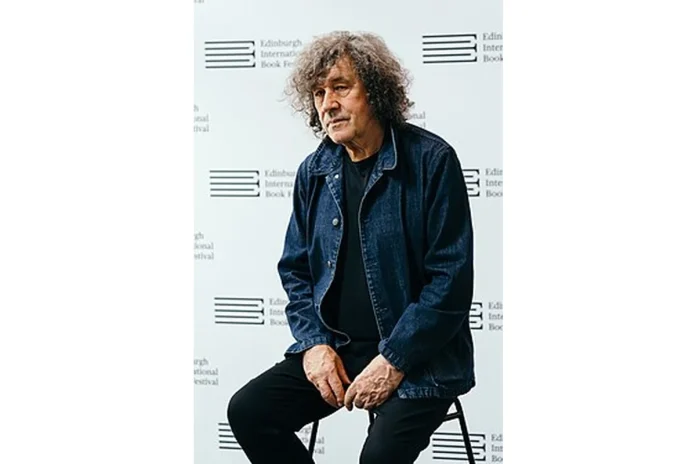
Stephen Rea Bio
Stephen Rea is an Irish actor renowned for his extensive work on stage, television, and film. Born in Belfast, Northern Ireland, he has established himself as one of Ireland’s most distinguished performers through a career spanning more than six decades. Rea gained international recognition for his collaboration with filmmaker Neil Jordan, particularly in The Crying Game (1992), which earned him an Academy Award nomination. His performances are characterized by their subtlety, emotional depth, and commitment to complex characters. Throughout his career, Rea has moved seamlessly between theatrical productions and screen roles, becoming a respected figure in both Irish and international cinema. His contributions to the arts have been recognized with numerous accolades, including a BAFTA Award for his television work.
Beyond his acting accomplishments, Stephen Rea has played a significant role in Irish cultural life as a co-founder of the Field Day Theatre Company. This theatrical venture, established in 1980, brought together some of Ireland’s most prominent writers and artists to explore questions of identity and culture. Rea’s dedication to his craft has made him a frequent collaborator with acclaimed directors and playwrights, and his work continues to resonate with audiences worldwide. His ability to portray nuanced characters across various genres has solidified his reputation as a versatile and reliable performer in the entertainment industry.
Early Life and Background
Stephen Rea was born on October 31, 1946, in Belfast, Northern Ireland. He grew up in a Protestant family that was sympathetic to Irish nationalism, a background that would later inform his understanding of complex political and social themes in his work. Rea has described his upbringing as nonreligious, which provided him with a unique perspective on the divided society of Northern Ireland during his formative years. His father worked as a bus driver, while his mother was a housewife, providing a modest working-class upbringing that grounded his later artistic pursuits.
Rea’s educational journey took him to Queen’s University Belfast, where he studied English and developed his appreciation for literature and drama. He further honed his theatrical skills at the Abbey Theatre School in Dublin, one of Ireland’s most prestigious training grounds for actors. This combination of academic study and practical training equipped Rea with the tools necessary for a successful career in performance. His time at these institutions exposed him to Ireland’s rich literary tradition and provided him with connections that would prove invaluable throughout his career.
Path to Acting
Stephen Rea’s professional acting career began in 1962, marking the start of what would become a remarkable journey in the performing arts. His early years were spent primarily in theater, where he developed his craft and gained valuable experience. Rea became associated with Dublin’s Focus Theatre in the late 1970s, working alongside other emerging Irish talents such as Gabriel Byrne and Colm Meaney. This period was crucial in shaping his approach to acting and establishing his reputation within the Irish theater community.
In 1980, Rea co-founded the Field Day Theatre Company alongside notable figures including playwright Brian Friel, poet Seamus Heaney, and scholar Seamus Deane. This company became an important force in Irish cultural life, producing works that examined the complexities of Irish identity. Rea’s involvement with Field Day demonstrated his commitment not just to performance but to the broader cultural discourse in Ireland. His theatrical work extended to major venues including The Gate and Abbey theatres in Dublin and London’s Royal Court Theatre, where he built a reputation for powerful and nuanced performances.
Rea’s friendship with American playwright and actor Sam Shepard, dating back to the early 1970s, further expanded his artistic horizons. He starred in Shepard’s directorial debut of Geography of a Horse Dreamer at the Royal Court Theatre in 1974. This international connection and collaboration with Shepard would continue throughout Rea’s career, including notable productions of Kicking a Dead Horse (2007) and Ages of the Moon (2009), both of which transferred to New York. These experiences helped Rea develop a distinctive acting style that blended Irish theatrical traditions with broader international influences.
Stephen Rea Career
Early Career (1962-1991)
Stephen Rea began his professional journey in 1962, focusing primarily on stage work during his formative years. His association with playwright Stewart Parker began during their time together at Queen’s University Belfast, leading to collaborations that would influence Rea’s early career. Throughout the 1970s and 1980s, Rea built an impressive theatrical resume, performing in various productions across Ireland and the United Kingdom. His work during this period established him as a serious and committed actor, though he had not yet achieved widespread international recognition.
During these years, Rea also began appearing in Irish television productions, gradually building his screen presence. His collaboration with the Focus Theatre in Dublin provided him with opportunities to work on innovative productions and develop his craft alongside other talented actors. While the specific details of his early film and television work from this period are limited in the available records, it is clear that Rea was steadily building the foundation for the breakthrough that would come in the early 1990s. His dedication to theater during this time was unwavering, and he continued to balance stage commitments with increasing screen work.
Breakthrough (1992-2000)
The year 1992 marked a turning point in Stephen Rea’s career when he starred in Neil Jordan’s The Crying Game. This film brought Rea to international attention and earned him an Academy Award nomination for Best Actor. His portrayal of Fergus, a complex character caught in a web of personal and political complications, showcased Rea’s ability to convey emotional depth and moral ambiguity. The success of The Crying Game opened doors for Rea in Hollywood and established him as an actor capable of leading major international productions.
Following his breakthrough, Rea continued his collaboration with Neil Jordan, appearing in Interview with the Vampire (1994) alongside Tom Cruise and Brad Pitt. This high-profile film introduced Rea to a global audience and demonstrated his ability to hold his own among Hollywood’s biggest stars. In 1996, he appeared in Jordan’s Michael Collins, further cementing his reputation as a reliable character actor with a gift for portraying complex historical and political figures. These films established Rea as a go-to actor for directors seeking nuanced performances in substantial roles.
Notable Works and Milestones
Throughout the 2000s and beyond, Stephen Rea continued to deliver memorable performances across various mediums. His collaboration with Neil Jordan continued with The End of the Affair (1999) and Breakfast on Pluto (2005), demonstrating the enduring creative partnership between actor and director. In 2011, Rea took on the role of the antagonist Gatehouse in the BBC crime drama The Shadow Line, delivering a performance that was widely praised for its quiet menace and complexity. This role reminded audiences of Rea’s ability to command the screen with minimal dialogue and maximum impact.
Rea’s television work reached new heights with The Honourable Woman (2015), a political thriller that earned him a BAFTA Award for Best Actor in a Leading Role. This accolade recognized his exceptional performance in a medium where he had increasingly focused his energies. His film career continued with appearances in Greta (2018) and The Miracle Club (2023), showcasing his enduring relevance and versatility. In 2020, The Irish Times ranked Rea the 13th greatest Irish film actor of all time, a testament to his lasting impact on cinema. His stage work also continued, including notable productions such as Enda Walsh’s Ballyturk in 2014, proving that Rea remained committed to his theatrical roots even as he enjoyed screen success.
Stephen Rea Award Nominations
Stephen Rea has received numerous award nominations throughout his distinguished career, recognizing his contributions to both film and television. His most significant nomination came in 1992 when he was nominated for the Academy Award for Best Actor for his performance in The Crying Game. This nomination placed him among the most respected actors in international cinema and introduced him to a wider audience. That same year, he also received a BAFTA Award nomination for Best Actor in a Leading Role for the same film, further validating his critically acclaimed performance.
Beyond these major nominations, Rea has been recognized as a Golden Globe Award and Tony Award nominee. These nominations span his work across different media and highlight his versatility as a performer. While the complete list of his nominations is extensive, they collectively demonstrate the consistent quality of his work over many decades. His ability to garner recognition from both industry peers and critics speaks to the respect he commands within the entertainment profession. Each nomination represents a project where Rea delivered a performance that resonated deeply with audiences and评委 alike.
Stephen Rea Awards Won
Stephen Rea’s trophy cabinet includes several prestigious awards that recognize his exceptional talent and contribution to the performing arts. His most significant television achievement came in 2015 when he won the BAFTA Award for Best Actor in a Leading Role for his performance in The Honourable Woman. This award highlighted his success in transitioning between film and television, proving his ability to excel in both mediums. The BAFTA win was particularly meaningful as it came more than two decades after his first nomination, demonstrating his enduring relevance and growth as an artist.
In addition to his BAFTA Award, Rea has won three Irish Film and Television Academy (IFTA) Awards, celebrating his achievements within his home country’s entertainment industry. These awards underscore his status as one of Ireland’s most respected actors. In 2004, Rea received honorary degrees from both Queen’s University Belfast and Ulster University in recognition of his contribution to theatre and the performing arts. These academic honors reflect the broader cultural impact of his work beyond entertainment. While awards are only one measure of success, the recognition Rea has received throughout his career confirms his position as a significant figure in contemporary acting.
| Award | Wins | Year |
|---|---|---|
| BAFTA Award (Best Actor in a Leading Role) | 1 | 2015 |
Stephen Rea Family
Stephen Rea was married to Dolours Price from 1983 until their divorce in 2003. Price was a former member of the Provisional Irish Republican Army who later became a critic of Sinn Féin. The couple had two sons together during their twenty-year marriage. Their relationship was notable for its intersection with Ireland’s turbulent political history, as Price had been involved in paramilitary activities before and during their marriage. Despite the challenges associated with such a high-profile and politically charged union, Rea maintained a relatively private personal life throughout their time together.
Rea had first met Price in the 1960s, but their paths crossed again significantly in 1973 when Price attended a performance by Rea in The Freedom of the City at the Court Theatre in London. This meeting occurred the night before Price participated in a car bombing that injured 200 people, a fact that adds a complex layer to their personal history. Following their divorce in 2003, Rea has kept details about his family life largely private, focusing public attention on his professional work rather than his personal relationships.
Personal Life
Stephen Rea has maintained residences in both County Donegal, Ireland, demonstrating his enduring connection to his homeland despite his international career. As of 2012, he served as an Ambassador for UNICEF Ireland, using his public profile to support humanitarian causes affecting children worldwide. This role reflects a commitment to social responsibility that extends beyond his artistic endeavors. Rea’s personal life has been marked by a careful balance between his public persona and private affairs, allowing him to maintain a degree of normalcy despite his fame.
Throughout his career, Rea has also contributed his voice to various radio projects, including reading James Joyce’s short story The Dead on RTÉ Radio 1 in 2012 and narrating the BBC Radio 4 production of Ulysses for Bloomsday that same year. Notably, from 1988 to 1994, during the broadcasting ban on Sinn Féin, Rea was hired to speak the words of Gerry Adams, allowing the politician’s messages to reach the public despite the restrictions. This unique role in Irish political history demonstrates Rea’s involvement in his country’s social and political landscape beyond his artistic work. His life reflects the journey of an artist who remains connected to his roots while engaging with broader global concerns.