
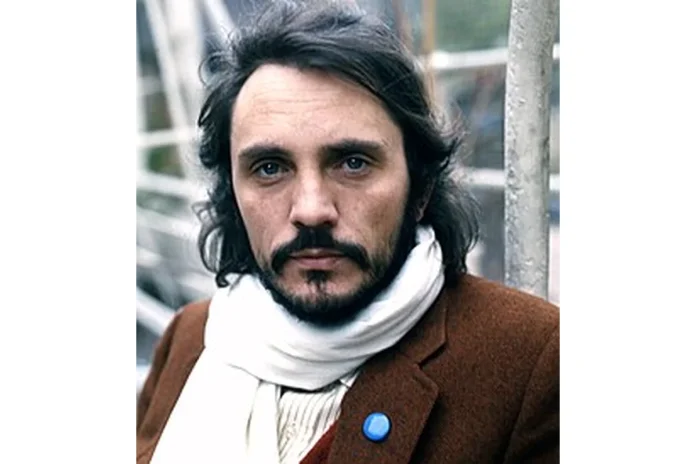
Terence Stamp Bio
Terence Henry Stamp (22 July 1938 – 17 August 2025) was an English actor whose career spanned stage and screen across more than six decades. He became known for a blend of cult and mainstream performances, a brooding screen presence and memorable portrayals of sophisticated villains, most famously General Zod in the Superman films.
Stamp trained at the Webber Douglas Academy of Dramatic Art in London and rose from repertory theatre to international cinema, earning major award recognition and continuing to work in film into the 2020s.
Early Life and Background
Terence Henry Stamp was born on 22 July 1938 in Stepney, London, the eldest of five children of Ethel Esther Perrott and Thomas Stamp. He spent his early childhood in the East End and later moved with his family to Plaistow, attending Plaistow County Grammar School. His upbringing included periods when his father was away with the Merchant Navy and he was largely raised by female relatives.
As a boy he was inspired by screen actors and cinema, and he won a scholarship to train at the Webber Douglas Academy of Dramatic Art. After formal training he worked in provincial repertory theatres and in West End productions, developing the stage craft that led to his early film opportunities.
Path to Celebrity
Stamp’s transition from theatre to film began in the early 1960s. He appeared in West End plays before making his film breakthrough in Billy Budd (1962), a role that brought him international attention and major award nominations. That early recognition established him as a serious young actor in British and American cinema.
Throughout the 1960s Stamp worked with a range of prominent filmmakers, appearing in The Collector (1965), Modesty Blaise (1966), Far from the Madding Crowd (1967) and other notable productions. His collaborations with European directors, including Federico Fellini and Pier Paolo Pasolini, broadened his profile and reinforced his reputation for taking challenging and diverse roles.
Terence Stamp Career
Early Career (1959–1977)
Stamp’s professional career began in the late 1950s and moved quickly into prominent stage and screen work by the early 1960s. After training at Webber Douglas he performed in repertory theatre and in the West End, then made his British film debut and followed with the title role in Billy Budd (1962), which earned him a Golden Globe Award and nominations for an Academy Award and a BAFTA Award.
During the 1960s and 1970s he continued to take diverse roles in psychological drama, literary adaptations and European art films. He won the Cannes Film Festival Award for Best Actor for his performance in The Collector (1965) and appeared in projects such as Modesty Blaise, Far from the Madding Crowd, Poor Cow and Pasolini’s Teorema, consolidating a reputation for intensity and range.
Superman Breakthrough (1978–1980)
Stamp reached a wider global audience with his portrayal of the Kryptonian villain General Zod in Richard Donner’s Superman (1978), delivering the line and presence that became pop‑culture touchstones. He reprised the role in the sequel, Superman II (1980), and his interpretation of Zod is regularly cited among notable comic‑book film antagonists.
The Superman appearances reinvigorated Stamp’s mainstream visibility and linked him to one of cinema’s most recognizable franchises while allowing him to continue selecting varied character roles in parallel with blockbuster work.
Priscilla and The Limey Era (1994–1999)
In the 1990s Stamp’s performance work drew renewed critical attention. His role in The Adventures of Priscilla, Queen of the Desert (1994) earned him Golden Globe and BAFTA nominations and showcased his ability to inhabit unconventional characters with dignity and nuance. That film became one of his best‑known later career highlights.
He followed that with widely praised work in The Limey (1999), which led to Independent Spirit Award and critics’ recognition and reaffirmed his standing as a compelling character actor in contemporary cinema. He also appeared in Star Wars: Episode I – The Phantom Menace (1999) during this period, further demonstrating the breadth of his career.
Final Years (2000–2025)
Stamp remained active in the 21st century, appearing in films across genres including The Haunted Mansion, Elektra, Wanted, Yes Man and Big Eyes, and taking supporting roles in both mainstream and independent projects. He undertook voice work for video games and documentaries and published memoirs and other writings that reflected on his life and career.
In the mid‑2010s and into the 2020s he continued to accept film roles and narration projects. In 2025 it was confirmed that he had prefilmed scenes for the sequel Priscilla Queen of the Desert 2, which will stand as his final screen performance.
Driving Style and Strengths
Stamp’s acting style combined a brooding stillness with tonal precision and a capacity for enigmatic intensity; he could convey menace, melancholy and charm with economy of gesture. Directors and critics often noted his ability to elevate supporting work into memorable, scene‑stealing performances while maintaining a strong sense of character integrity.
Notable Events and Milestones
Key milestones include his early international recognition for Billy Budd, the Cannes Film Festival Best Actor Award for The Collector, the cultural impact of his General Zod in the Superman films and late‑career acclaim for Priscilla and The Limey. He also engaged in notable collaborations with filmmakers across Europe and Hollywood and published memoirs reflecting on a life in film.
Terence Stamp Career Wins
Across his career Stamp received major award wins and multiple high‑profile nominations. Verifiable honors include a Golden Globe Award for his early film work and the Cannes Film Festival Best Actor Award; he was also nominated for an Academy Award and for BAFTA awards during his career.
Film Highlights
Stamp’s first major award recognition came for Billy Budd in 1962, which brought him international notice and a Golden Globe. His Cannes Best Actor win for The Collector (1965) stands as a prominent critical accolade. Later nominations for The Adventures of Priscilla, Queen of the Desert and his Independent Spirit Award recognition for The Limey reflect continued peer and critical respect.
Other Wins & Perfromances
Beyond festival and industry honors, Stamp shared the Mystfest Best Actor recognition for The Hit (1984) and appeared on stage and in narration projects that broadened his public profile, including radio, documentary narration and voice work for games and films.
Terence Stamp Family
Family Background and Racing Lineage
Terence Stamp was the son of Thomas Stamp and Ethel Esther Perrott and was raised in the East End of London. He was the eldest of five children and his brother Chris Stamp worked in the music industry as a record producer and manager.
Personal Life
Stamp married Elizabeth O’Rourke in 2002; the marriage ended in divorce in 2008. He had no publicly listed children. During the 1960s he shared a London home with Michael Caine and was associated with the Swinging London cultural scene, including high‑profile relationships that were widely reported at the time.
2025 Season Performance
In 2025 Terence Stamp’s final screen work was publicly noted when director Stephan Elliott confirmed that Stamp had completed filming his scenes for Priscilla Queen of the Desert 2 prior to his death. Stamp died on 17 August 2025 in a care home in Bickley, south east London, at age 87.
Tributes after his death highlighted his enduring influence and the span of a career that moved fluidly between art‑house cinema and mainstream blockbusters. His final filmed performance will appear in the forthcoming sequel, closing a career that began in theatre and culminated with work seen by international audiences.