
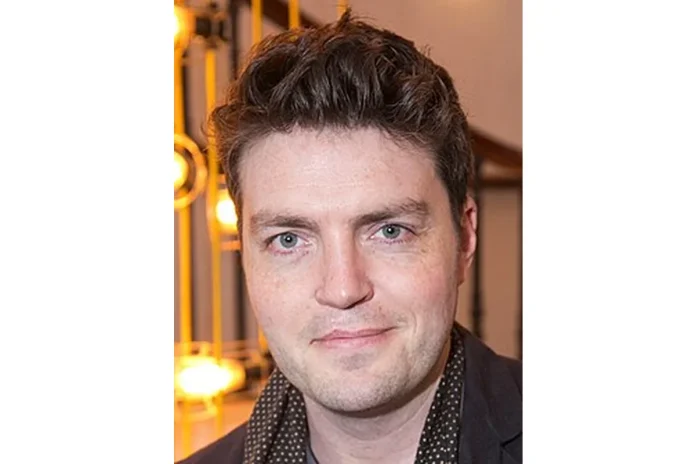
Tom Burke Bio
Tom Liam Benedict Burke is an English actor whose work spans film, television and theatre. Born in London on 30 June 1981, Burke trained at the Royal Academy of Dramatic Art and launched a screen career in 1999 that has included stage classics, period drama and contemporary film.
Early Life and Background
Tom Burke was born in London and grew up in Kent. He is the son of actors David Burke and Anna Calder-Marshall and the grandson of writer Arthur Calder-Marshall. His upbringing included early exposure to the stage through his parents and community theatre, and his godparents included actor Alan Rickman and actress Bridget Turner.
Burke was born with a cleft lip and underwent reconstructive surgery in childhood. He experienced dyslexia and left school before completing A-levels at age 17. He took part in the National Youth Theatre and regional companies before being accepted to the Royal Academy of Dramatic Art at 18, where he completed formal training that prepared him for work on stage and screen.
Path to Celebrity
Burke entered professional work in 1999 with roles in the film Dragonheart: A New Beginning and television appearances that followed drama school. Early parts on British television established him as a reliable supporting performer and helped him build a profile that combined period pieces and contemporary drama.
He consolidated his craft in repertory and touring work and on the London stage, appearing with companies such as the Royal Shakespeare Company and at venues including Shakespeare’s Globe, the Old Vic and the Almeida Theatre. That stage experience proved instrumental in elevating his screen opportunities through the 2000s and early 2010s.
Tom Burke Career
Early Career (1999–2009)
Burke’s first professional screen role was as Roland in the 1999 direct-to-video film Dragonheart: A New Beginning. That year he also appeared in television productions including the series Dangerfield and the television film All the King’s Men, marking the start of continuous screen work.
Across the 2000s Burke built a diverse filmography with his first cinema part in The Libertine in 2004, a comedic lead turn in I Want Candy in 2007, and a role in the Sundance-screened thriller Donkey Punch in 2008. He also appeared in Telstar: The Joe Meek Story and had small parts in Stephen Frears projects, gaining experience in both independent and larger-scale productions.
The Musketeers Breakthrough (2014–2016)
Burke achieved broader recognition on television when he was cast as Athos in the BBC One series The Musketeers, which ran from 2014 to 2016. His portrayal of the complex and brooding musketeer brought him to wider attention in the UK and internationally, demonstrating his capacity for sustained dramatic performance across an action-oriented period series.
The role of Athos combined stage-trained gravitas with a physical presence appropriate to swashbuckling material, and it anchored Burke as a leading actor on mainstream television. The Musketeers represented a transition from supporting character work to a central ensemble role that highlighted his range and screen chemistry with co-stars.
During and after The Musketeers Burke continued to take on varied television parts, including a role in the BBC adaptation of War & Peace and appearances in other British drama, maintaining momentum between high-profile series and stage commitments.
Strike Breakthrough (2017–present)
From 2017 Burke has starred as the detective Cormoran Strike in the BBC miniseries Strike, adapted from the novels by Robert Galbraith. Playing the series lead positioned him at the center of a long-form investigative drama and exposed his work to an international streaming audience as the adaptations reached new viewers beyond the UK.
Burke’s work as Cormoran Strike has required sustained character development across multiple adaptations, balancing procedural elements with the personal vulnerability of the protagonist. The role reinforced his reputation for inhabiting literate, character-driven drama and for anchoring ensemble casts while retaining narrative focus.
Alongside Strike, Burke has continued to select film roles that vary in scale and tone, moving between independent projects and major international productions while maintaining a presence on stage.
Film and Recent Screen Work (2020–Present)
In 2020 Burke portrayed American filmmaker Orson Welles in David Fincher’s film Mank, appearing opposite Gary Oldman in a studio-backed period project that reached a wide streaming audience. That performance added a high-profile film credit to his television prominence and underlined his ability to take on biographical character work.
Burke joined the cast of Furiosa: A Mad Max Saga in the 2024 release, appearing as Praetorian Jack in the major studio franchise spinoff. He also collaborated on projects with director Mitch Jenkins, including the 2020 film The Show, showing a continued presence in auteur-driven independent cinema as well as larger franchises.
Acting Style and Strengths
Burke’s acting style reflects a stage-trained clarity combined with an inclination for controlled intensity. He has shown a facility for period language and classical material on stage and for understated, interior screen performances in contemporary drama. Directors and critics have noted his ability to convey emotional restraint while grounding characters in physical detail.
Notable Events and Milestones
Significant milestones include his early stage lead performances, such as Romeo at Shakespeare’s Globe and Hamlet in Howard Barker’s reworking Gertrude – The Cry, as well as work with the Royal Shakespeare Company. His performance in the Donmar Warehouse production Creditors, staged by his godfather Alan Rickman, earned him recognition through the Ian Charleson Award, underscoring his standing in classical theatre.
Tom Burke Career Wins
Across stage, television and film Burke’s career highlights include leading television roles, prominent supporting and character roles in feature films, and a series of respected stage appearances. His work has attracted critical attention both for individual performances and for the cumulative breadth of his roles.
The Musketeers Highlights
The Musketeers stands out as a defining television role that increased Burke’s public profile and demonstrated his capacity to carry a major BBC drama. The series gave him a long-form platform to develop a layered, stoic protagonist and to command action sequences and period dialogue with equal assurance.
Other Wins & Perfromances
Other notable screen performances include his portrayal of Orson Welles in Mank and roles in films such as The Libertine, I Want Candy, Donkey Punch and Only God Forgives. On stage, his work at the National Theatre, the Old Vic and the Almeida Theatre has been repeatedly noted for its range and commitment to classical and contemporary theatre.
Tom Burke Family
Family Background and Racing Lineage
Burke comes from a theatrical family. His parents, David Burke and Anna Calder-Marshall, are actors; his maternal grandfather Arthur Calder-Marshall was a writer. His godparents included Alan Rickman and Bridget Turner, reflecting an upbringing closely connected to British theatre and film.
Personal Life
Public records provided list his family background and education but do not detail a public spouse or children. Burke continues to base his life and work between stage and screen projects in the United Kingdom while taking roles in international film productions.
2025 Season Performance
In March 2025 it was announced that Burke joined the cast of Legends, a Netflix drama inspired by the story of British customs officers sent undercover to infiltrate drug gangs. That casting marks a continued appetite for Burke to explore serialized drama rooted in real-world material and investigative narrative.
Following high-profile appearances in Mank and Furiosa and steady television work on Strike, Burke’s 2025 slate suggests a return to ensemble drama with an emphasis on grit and procedural storytelling. His RADA training and sustained stage work provide the technical grounding for roles that demand both physical presence and nuanced emotional work.
Audiences can expect Burke to balance television leads with selective film projects and continued stage engagements, maintaining a career that moves between major commercial productions and artistically driven independent work.