
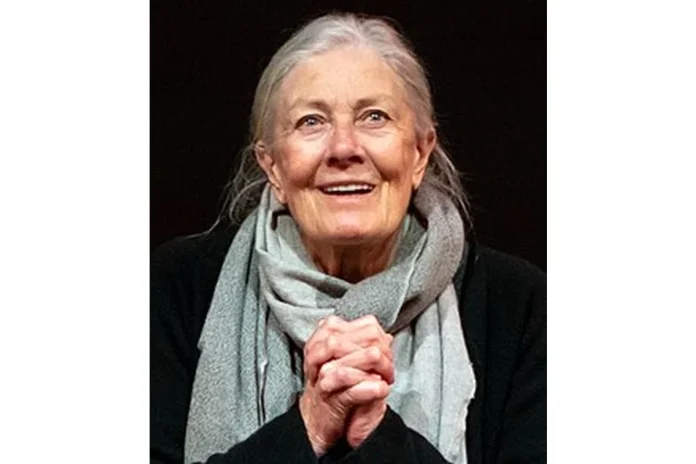
Vanessa Redgrave Bio
Dame Vanessa Redgrave was born on 30 January 1937 in Blackheath, London. She is an English actress and political activist whose career began on stage in 1958 and has spanned stage, film, and television for more than six decades. Her body of work and public advocacy have made her a prominent figure in British and international culture.
Early Life and Background
Vanessa Redgrave is the daughter of actors Sir Michael Redgrave and Rachel Kempson and grew up in a family steeped in the performing arts. She was born in Blackheath and spent periods of her childhood outside London during wartime evacuations, later returning to the city with her family. Her siblings Lynn Redgrave and Corin Redgrave also pursued acting careers.
Redgrave studied at independent schools for girls before entering the Royal Central School of Speech and Drama in 1954, where she trained formally for the stage. Her theatrical upbringing and formal training established a foundation for a career that combined classical theatre roles with complex, often politically resonant film parts.
Path to Celebrity
Redgrave began professional work in 1958, appearing on stage and soon joining the Royal Shakespeare Company. Her performance as Rosalind in As You Like It in 1961 brought early notice and launched her as a leading stage actress. Her stage work through the 1960s demonstrated range across Shakespeare, modern drama, and new adaptations.
Parallel to her stage career, Redgrave moved into film and television, building a reputation for daring, character-driven performances. By the mid-1960s she had established a presence in British cinema and began to secure roles that reached international audiences, creating a dual career path on stage and on screen.
Vanessa Redgrave Career
Early Career (1958–1966)
Vanessa Redgrave made her first credited film appearance in 1958 and continued steadily on the West End and in repertory theatre. During this period she worked with established directors and actors, performing in productions that included classical and contemporary plays. Her early screen parts included work opposite family members and established stars, which helped broaden her visibility.
Her stage roles with the Royal Shakespeare Company and other companies in the late 1950s and early 1960s solidified her classical credentials. These formative years laid the groundwork for leading roles in both theatre and film as directors began casting her in central, demanding parts.
Film Breakthrough (1966–1977)
Redgrave’s breakthrough as a film performer came in the mid-1960s with Morgan: A Suitable Case for Treatment (1966), which marked the start of sustained critical attention and her first Academy Award nomination. She followed with notable film roles in Blowup (1966) and as Isadora Duncan in Isadora (1968), a performance that won major festival and critics’ recognition and further Oscar consideration.
Throughout the 1970s Redgrave continued to accept challenging and varied film roles, including Mary, Queen of Scots (1971) and later Julia (1977), for which she won the Academy Award for Best Supporting Actress. Her choices in this era combined historical portrayals with contemporary dramas and cemented her international reputation.
Stage and Theatre Era (1980s–2000s)
Across the 1980s and into the 2000s, Redgrave maintained an active theatre career while returning frequently to film and television. She won the Laurence Olivier Award for Actress of the Year in a Revival for The Aspern Papers in 1984 and continued to take on demanding stage roles, including major turns on Broadway and at leading London houses.
Her Broadway revival of Long Day’s Journey Into Night in 2003 earned her the Tony Award for Best Actress in a Play. In later decades she remained a sought-after stage performer, returning to roles in classical repertory and new dramas and receiving theatre honors and lifetime recognition from industry institutions.
Recent Work and Direction (2007–Present)
In the 21st century Redgrave continued to appear in film and television character roles and moved into documentary direction. She received critical notice for brief but memorable appearances in films such as Atonement (2007) and Coriolanus (2011). In 2017 she made her directorial debut with the documentary Sea Sorrow, focused on the European migrant crisis.
Into her eighties Redgrave remained active in performance and production. In 2024 principal photography completed on The Estate, a feature drama executive produced by Redgrave with family collaborators; the film is scheduled to premiere in 2025. Her ongoing involvement as performer, producer and occasional director demonstrates a sustained commitment to new work.
Acting Style and Strengths
Redgrave’s work is noted for psychological depth, vocal control, and a capacity to inhabit historically and emotionally complex characters. Critics and collaborators have highlighted her ability to combine classical technique with subtle naturalism, bringing gravitas to both leading and supporting roles. Her stage training and long experience contribute to a disciplined approach to character and text.
Notable Events and Milestones
Key career milestones include an Academy Award win for Julia, a Tony Award for Long Day’s Journey Into Night, multiple Emmy Awards, and the Laurence Olivier Award for The Aspern Papers. She has received honorary distinctions such as the BAFTA Fellowship and recognition from international festivals. Redgrave’s public activism and occasional controversies, including responses to her political positions, have also shaped public perception of her career.
Vanessa Redgrave Career Wins
Vanessa Redgrave’s verified major awards include an Academy Award for Best Supporting Actress for Julia, a Tony Award for Best Actress in a Play, and multiple Emmy Awards for television performances. Her film festival and critics’ recognitions include the Volpi Cup and other festival prizes, while theatre and industry honors reflect her long service to drama.
Film Highlights
Among her film highlights are award-nominated and award-winning performances in Isadora, Mary, Queen of Scots, The Bostonians, Howards End, and Julia. Her Oscar win for Julia recognized a career already distinguished by international festival honors and critical acclaim in the 1960s and 1970s.
Other Wins & Perfromances
On stage Redgrave earned multiple Evening Standard Awards across decades and the Laurence Olivier Award in 1984. Her television work has been recognized with Emmy Awards for projects including Playing for Time and If These Walls Could Talk 2. Industry honors and lifetime achievement recognitions have followed a sustained trajectory of work across media.
Vanessa Redgrave Family
Family Background and Acting Lineage
Vanessa Redgrave is a member of the Redgrave acting family. Her parents were Sir Michael Redgrave and Rachel Kempson; her siblings Lynn and Corin Redgrave were also actors. The family’s multi-generational presence in stage and screen has been a defining aspect of her background and influences.
Personal Life
Redgrave was married to Tony Richardson from 1962 until their divorce in 1967; they had two daughters, Natasha Richardson (1963–2009) and Joely Richardson (born 1965). She has a son, Carlo Gabriel Nero (born 1969). Redgrave later married Italian actor Franco Nero in 2006 and has six grandchildren. Her personal life has intersected with her professional collaborations on occasion.
2025 Season Performance
In 2025 Vanessa Redgrave is associated with The Estate, a feature drama produced with family collaborators that completed principal photography in 2024 and is scheduled to premiere in November 2025 at the Torino Film Festival. The project lists Redgrave as an on-screen performer and an executive producer alongside her husband and son.
Her presentation with a Lifetime Achievement Award at the Torino Film Festival in 2025 will mark further recognition of a career that spans acting, advocacy and occasional direction. At this stage in her career Redgrave continues to balance selective performance work with public engagements and production roles.