
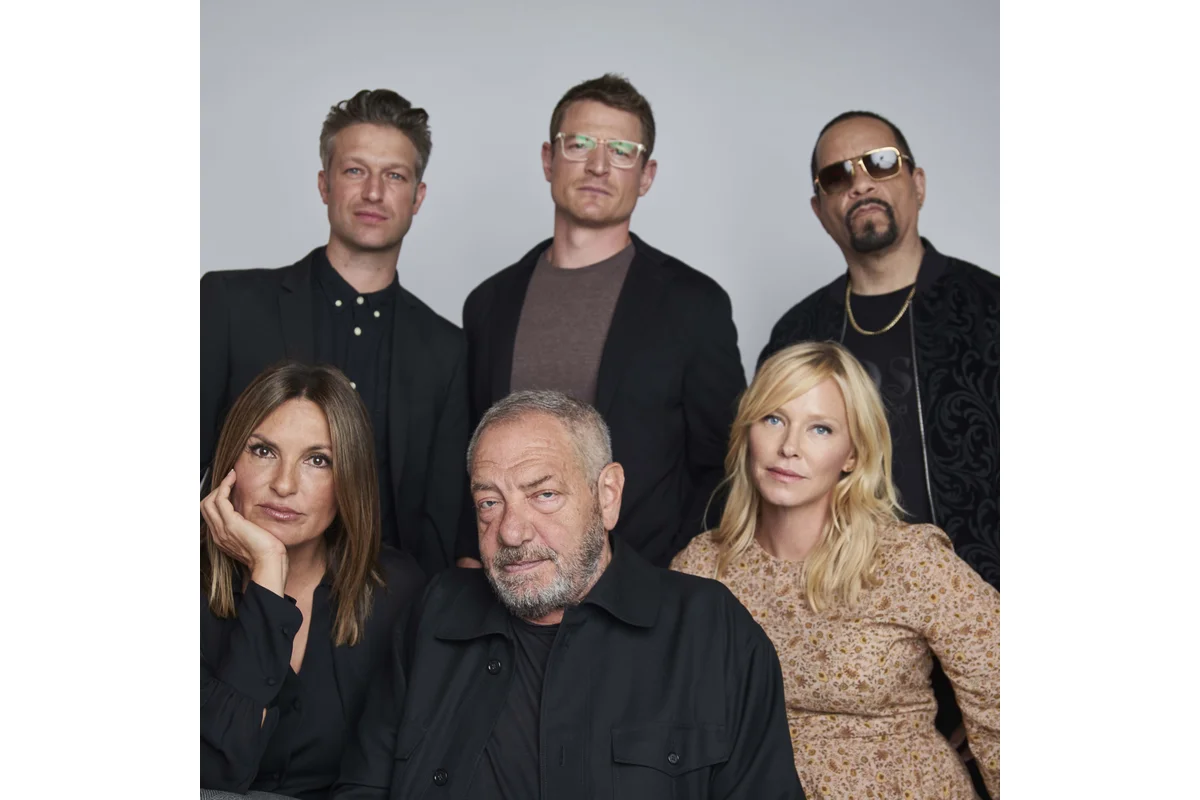
Morgan Freeman career breakthrough arrived later than most might expect, as the acclaimed actor did not achieve widespread recognition until 1987, when he was nearly 50 years old and appeared in a pivotal film role. Despite building a substantial résumé in television, theatre, and smaller movie roles since the early 1960s, Freeman’s major break came with the crime drama that earned him his first Oscar nomination.
A Late Start to Movie Stardom
Although Morgan Freeman had accumulated decades of experience in entertainment, his ongoing struggle to find a lasting presence in mainstream cinema persisted well into his career. Everything changed when he landed a significant part in a film that debuted in March 1987. That performance — as Leo ‘Fast Black’ Smalls — earned him critical acclaim, resulting in his first Academy Award nomination for Best Supporting Actor. This transformative role stood in stark contrast to the dignified and wise characters Freeman would later become known for throughout Hollywood.
Freeman himself acknowledged that his turn as a violent and ruthless character was intentional, but unlike his later, more philosophical roles, he never revisited this kind of persona. It was this pivot that would eventually position him as one of the industry’s most sought-after supporting actors, particularly for the roles of trusty mentors and sagacious elders.
Long Road on ‘The Electric Company’
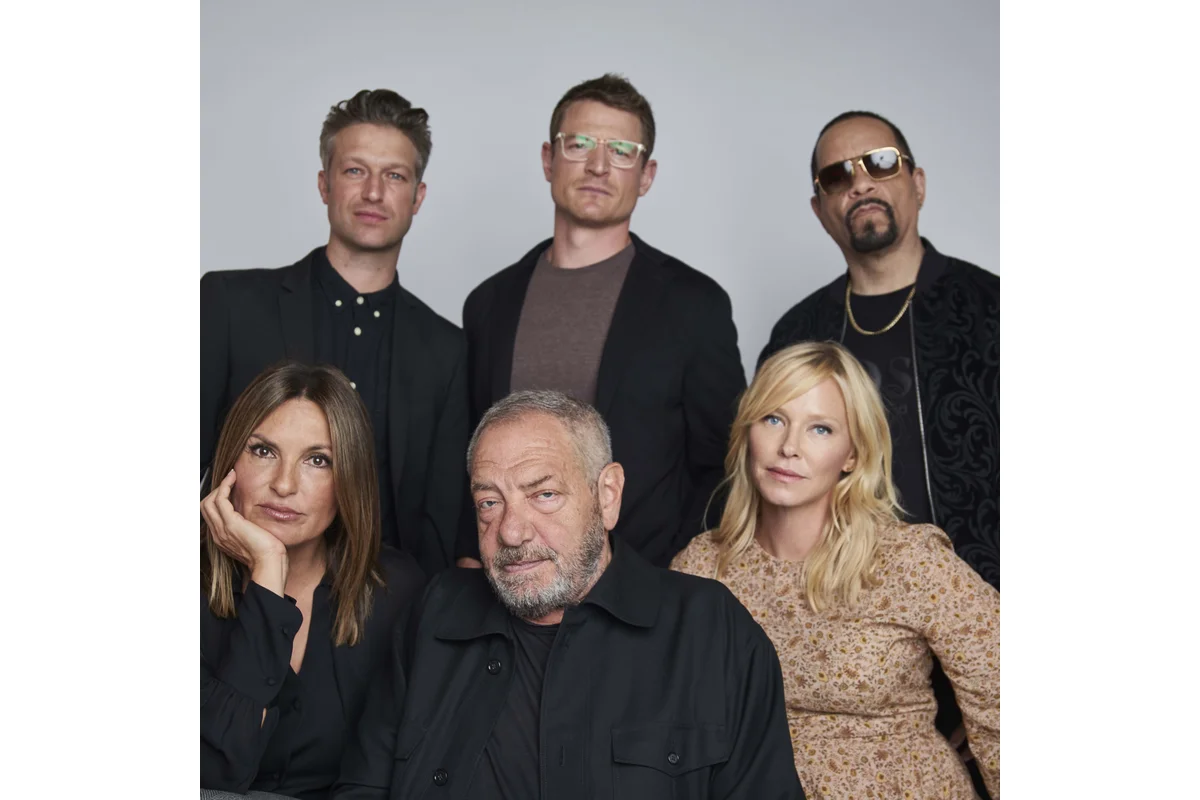
Morgan Freeman’s road to his career-defining moment was far from easy, yet he maintained a regular paycheck as a principal cast member on the children’s variety program, The Electric Company, from 1971 through 1977. Over the course of nearly 800 episodes across six seasons, Freeman took on an array of offbeat personalities. Audiences saw him transform from the counter-culture-inspired Easy Reader to Mel Mounds, the disc jockey, and even to Vincent the Vegetable Vampire, a comedic take on the bloodsucker trope, reimagined as a vegetarian unwilling to consume plasma.
Despite the program’s creative quirks, Freeman eventually became dissatisfied with his continuing involvement. He remarked,
“I enjoyed the first two years, thinking that I’d move on after that,”
Morgan Freeman, Actor. But as his time on the show continued, he expressed growing frustration about his inability to leave, saying,
“But it became basic prostitution, I guess.”
Morgan Freeman, Actor.
Job Security and Artistic Frustration
During this period, Freeman described the show as
“a favoured nations kind of thing,”
Morgan Freeman, Actor, reflecting both its comfortable work environment and the sense of being stuck. He opened up about his inner conflict:
“Kept doing that every year, and kept getting angrier and angrier at myself for not having the courage to walk away,”
Morgan Freeman, Actor. The end of the series came as a surprise, and Freeman felt deflated, stating,
“Then they cancelled the show in 1976, and what a let-down! No more job.”
Morgan Freeman, Actor.
This anxiety over leaving a steady profession for uncertain prospects is a relatable struggle. Freeman, despite his iconic status today, felt deeply the tension between personal ambition and job security. He was aware that remaining in the role could have limited his opportunities, admitting,
“At the same time, I was happy. Otherwise, I would’ve been Fred Rogers! I would’ve been Captain Kangaroo!,”
Morgan Freeman, Actor. He continued,
“You ever see Sesame Street? There’s friends of mine who’ve been on that show nearly 30 years.”
Morgan Freeman, Actor.
Turning Challenge into Opportunity
The decision to move on from The Electric Company was effectively made for Freeman when the series was cancelled, encouraging him to pursue new challenges in stage and film acting. Freed from the “kids’ TV guy” stereotype, he seized more dynamic and complex projects. This decisive turn enabled Freeman to carve out the influential presence he enjoys in Hollywood today.
Morgan Freeman’s career breakthrough, though delayed, proved that persistence and adaptability can pay off, even after years of professional uncertainty. The impact of his journey offers a lesson in recognizing when change is necessary and having the resolve to embrace new paths, a narrative that continues to inspire aspiring actors and audiences alike.
Related semantic context: related coverage · external reference.
