
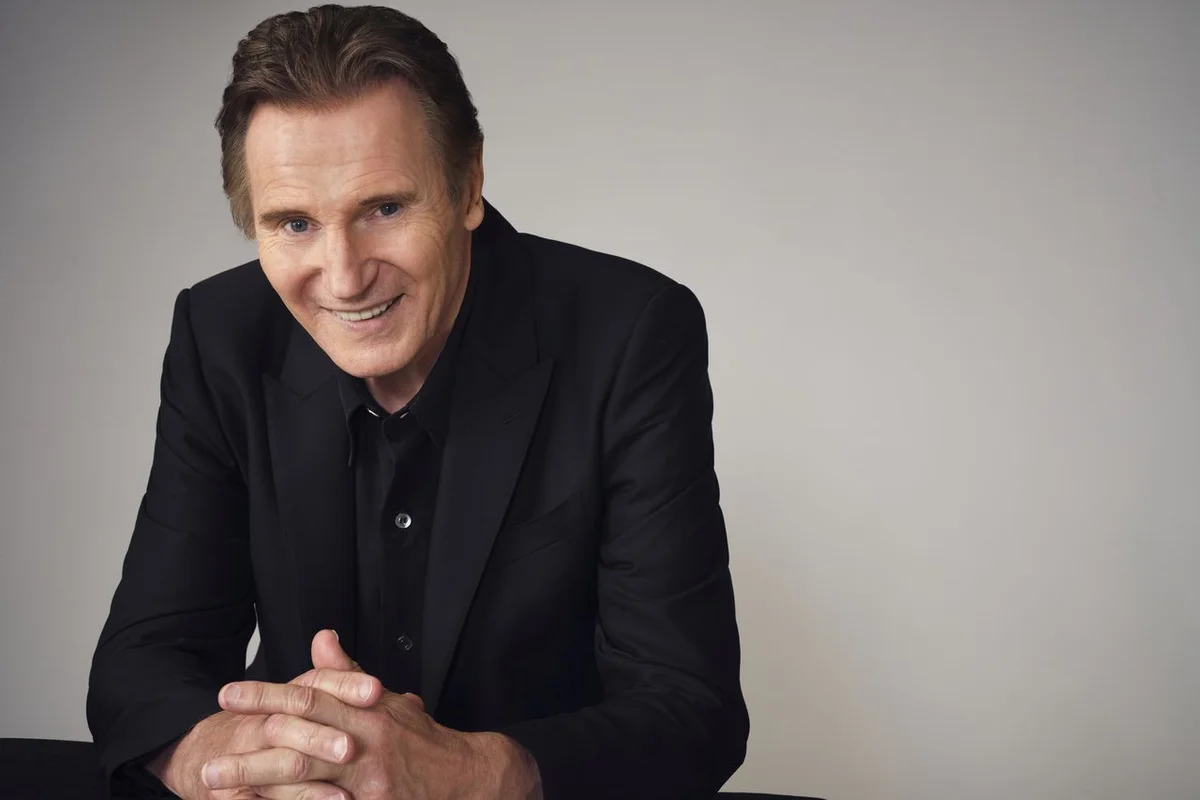
Liam Neeson almost starred as the unconventional English teacher John Keating in the 1989 film Dead Poets Society, a role that ultimately became a defining part of Robin Williams’ career. The opportunity arose in the 1980s during the film’s early development, but despite Neeson’s strong acting abilities, he lacked the star power required by the studio to lead the project. This pivotal casting decision shaped the film’s legacy and highlighted the unpredictable nature of Neeson’s career trajectory.
Early Career Struggles and Breakthroughs for Liam Neeson
Liam Neeson’s acting path began over four decades ago when he performed as Doalty in Brian Friel’s acclaimed play Translations. That same year, John Boorman cast him as Sir Gawain in the fantasy film Excalibur, intended to launch him as a major film star. However, Neeson’s rise stalled as he accepted supporting roles in a mix of productions, from acclaimed movies like The Bounty and The Mission to less successful ones such as Krull and High Spirits. His intense performance as the vengeful Briar Gates in John Irvin’s Next of Kin showcased his range and drew attention from filmmakers such as Sam Raimi and casting director Nancy Nayor, eventually leading to Neeson’s casting in the title role of Darkman.
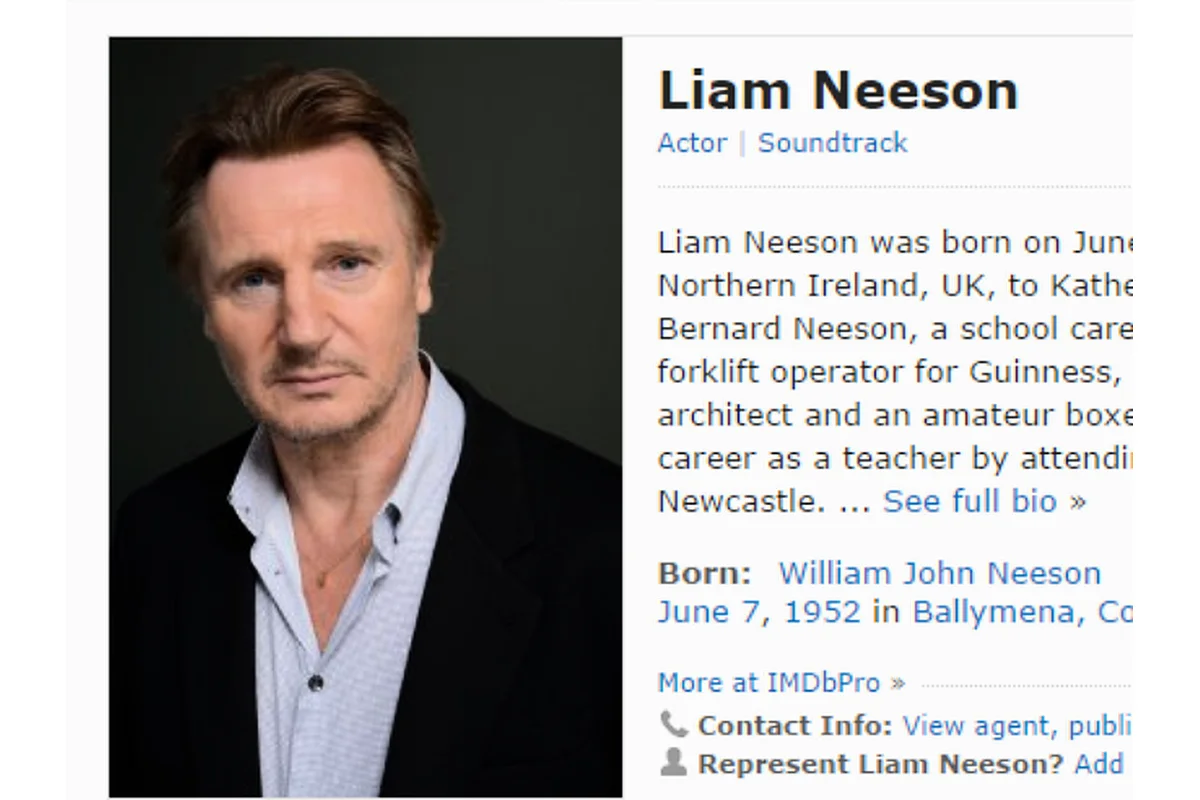
Although Neeson attained international recognition with his portrayal of Oskar Schindler in Steven Spielberg’s Schindler’s List, and later gained fame as the action hero Bryan Mills in the Taken franchise, his career direction could have been very different had he been cast in Dead Poets Society. He was actually the first choice of the film’s original director but was ultimately passed over for other reasons.
Why Neeson Was Passed Over for the Lead Role
Tom Schulman’s script for Dead Poets Society quickly generated interest within Hollywood, leading to Jeff Kanew, the project’s initial director, identifying Liam Neeson as a fitting choice for John Keating. Kanew believed Neeson had the acting skills necessary, especially as the character did not suit Robin Williams’ unique comedic style. However, Neeson’s profile at the time was not strong enough to satisfy Touchstone Pictures, the studio backing the film, which preferred established stars such as Dustin Hoffman, Tom Hanks, Mel Gibson, and, somewhat surprisingly, Mickey Rourke.
With Touchstone dismissing Neeson, he moved on to Next of Kin, which, as some suggest, helped him land the role in Darkman. The studio then turned its attention to Robin Williams, who had just received an Academy Award nomination for his performance in Good Morning, Vietnam. While Touchstone was eager to cast Williams, initial production faced a setback. Williams declined to work with Kanew and famously failed to appear on the first day of shooting, causing the project to halt and the sets to be dismantled, effectively putting Dead Poets Society on hold.
The Turnaround and Final Casting Decisions
A turning point came when Touchstone Pictures sought to bring director Peter Weir, known for his Academy Award-nominated work on Witness, onto the project. Williams was enthusiastic about collaborating with Weir, a combination that reinvigorated the production. On set, Williams inflected the film’s serious tone with his trademark humor and warmth, qualities that the producers felt Neeson, at that stage in his career, might not have captured as effectively. The chemistry Williams developed with the young cast helped the story resonate deeply with audiences, cementing the film’s lasting impact.
“Dead Poets Society was, well, dead.” – Reference to the failed initial production
“Neeson would’ve been good, but at that point in his career, he lacked the warmth necessary to connect with the young actors.” – Commentary on casting suitability
While Liam Neeson’s career took a different but highly successful path, his near casting as John Keating remains a significant “what if” in film history. The shift ultimately resulted in a film that balanced seriousness and levity with Williams’ unique talents, making Dead Poets Society a beloved classic. Meanwhile, Neeson’s journey from theater to Hollywood and into action stardom illustrates the unpredictable nature of show business, where timing and star appeal often influence casting far more than talent alone.
Related semantic context: related coverage · external reference.
