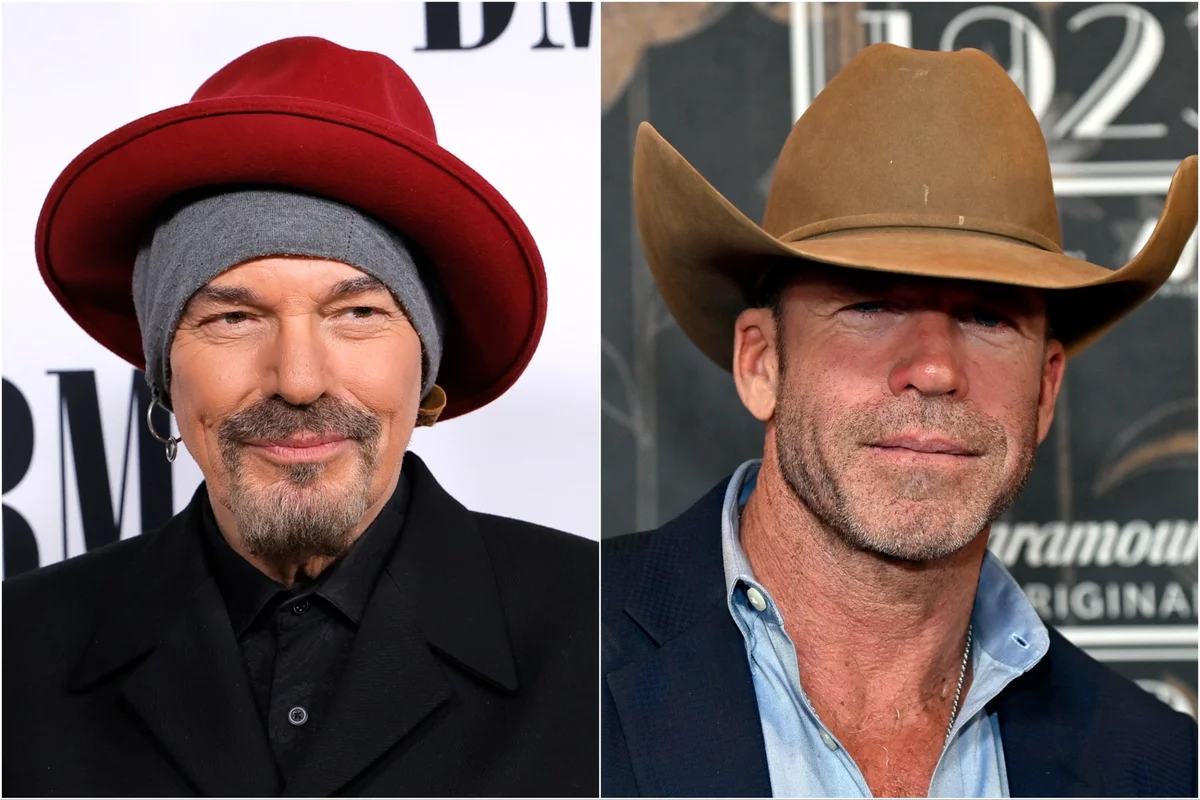
Billy Bob Thornton, Billy Bob Thornton politics [Image Source: INDEPENDENT]
Billy Bob Thornton, known for his role in Landman, holds strong political views but chooses to keep them mostly private. Over the years, he has described his stance as a “radical moderate,” expressing frustration with both extremes of the political spectrum. His nuanced position reflects a rejection of rigid party affiliation, which makes his approach to Billy Bob Thornton politics particularly distinctive.
Thornton’s Rejection of Political Extremes and Partisan Labels
In November 2025, during an appearance on The Joe Rogan Experience, Thornton explained that although he has firm opinions, they don’t fit neatly into any political party. This self-description came as a response to the divisive political environment, showing his discomfort with polarized views. This was not the first time he used the term “radical moderate” to describe himself.
Back in 2021, he elaborated further in an interview with Metro Philadelphia, sharing how his political views evolved from a youthful liberal perspective to a more centrist outlook. Reflecting on his past as a hippie and a liberal, Thornton expressed disillusionment with how both the left and right have become intolerant. He said,
“I was a hippie in my youth, a liberal. But when you sit back and look at what’s going on in the world, the reality is that there are just as many unbearable people on the liberal left as there are on the ultra-right,”
he told Metro Philadelphia.
Regarding Donald Trump’s presidency, Thornton acknowledged the frustration many felt but chose not to dwell on the divisiveness it created. He remarked,
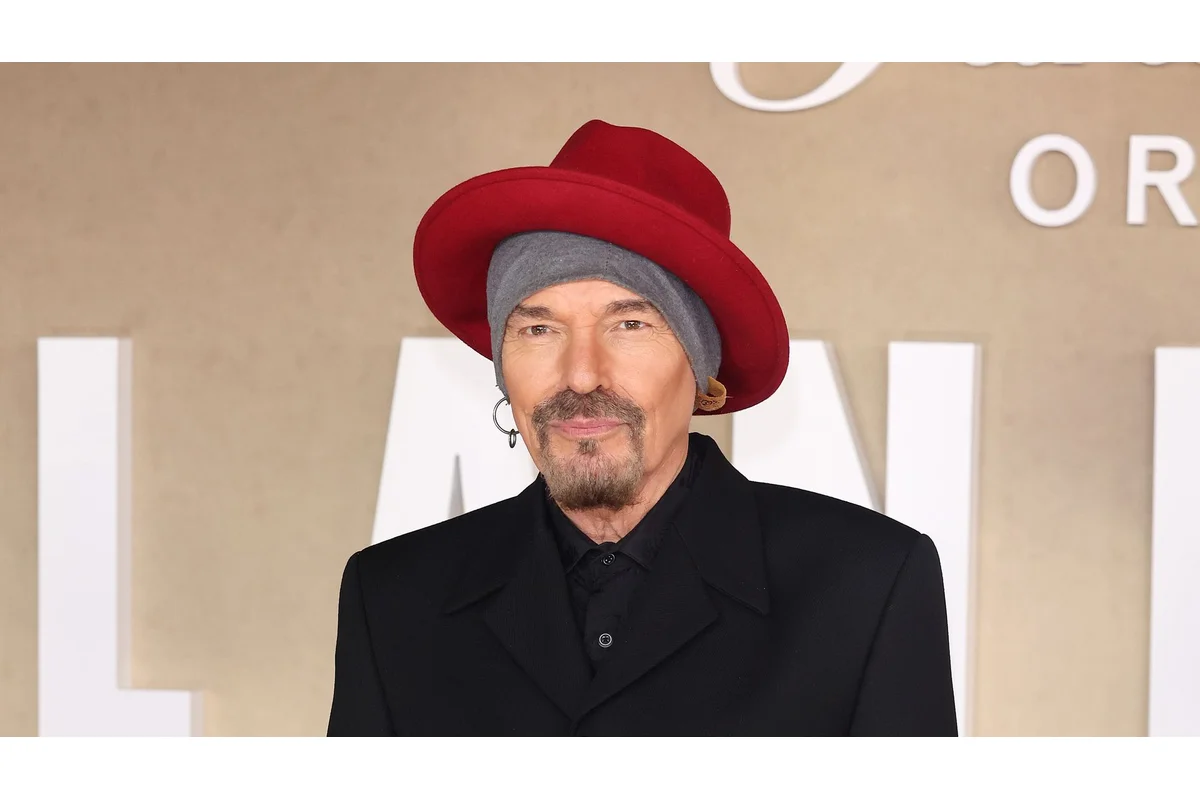
Image of: Billy Bob Thornton
“I think we talk a lot about politics and get angry because Trump’s presidency was so frustrating,”
highlighting how that period shaped political debates. This illustrates Thornton’s journey from a liberal celebrity stance toward a more centrist, measured perspective on current affairs.
Reluctance Among Actors to Speak on Politics
Thornton also explains why he deliberately avoids discussing politics publicly: he feels that actors generally lack the expertise to engage deeply in political discourse. On The Joe Rogan Experience, he expressed skepticism about celebrities offering political opinions, stating,
“Unless you have really studied stuff and really know about a subject fully, who the hell would want to listen to an actor or a musician talk about politics?”
This view underscores a broader skepticism he holds about the value of celebrity political commentary, questioning its influence. He said,
“Are we supposed to follow this?”
implying that such input might be overvalued or even unhelpful.
Thornton’s hesitation to speak openly may also be a strategy to protect his career in a polarized industry. By keeping his public image focused on his acting roles rather than his personal beliefs, he avoids alienating audiences or industry insiders. His continued success with projects like Landman confirms the viability of this approach.
The Politics Behind the Scenes in Entertainment
In his discussions, Thornton highlighted how political views can silently influence career trajectories within Hollywood. He pointed to the example of Landman creator Taylor Sheridan, whose work receives considerable acclaim, yet he hasn’t been widely recognized at awards shows. Thornton suggested,
“I think a lot of it’s political. I really do. I think some people assume Taylor is some sort of right-wing guy or something, and he’s really not,”
speaking to the complexities of political perceptions within the industry.
Thornton has urged audiences to view Landman free of political bias, emphasizing the importance of engaging with art without preconceived agendas. He remarked in 2024,
“I think people should watch it with no agenda, because we used to watch things with no agenda,”
advocating for a focus on storytelling rather than partisan interpretations.
This perspective reflects his larger frustration with the present political climate, especially within entertainment, where political assumptions can overshadow creative merit.
As debates over the role of politics in entertainment continue, Thornton’s position as a radical moderate offers a rare voice advocating for moderation and thoughtful consideration amid widespread polarization. His stance may encourage both viewers and industry professionals to reevaluate how political identities are navigated in public and professional spheres moving forward.