
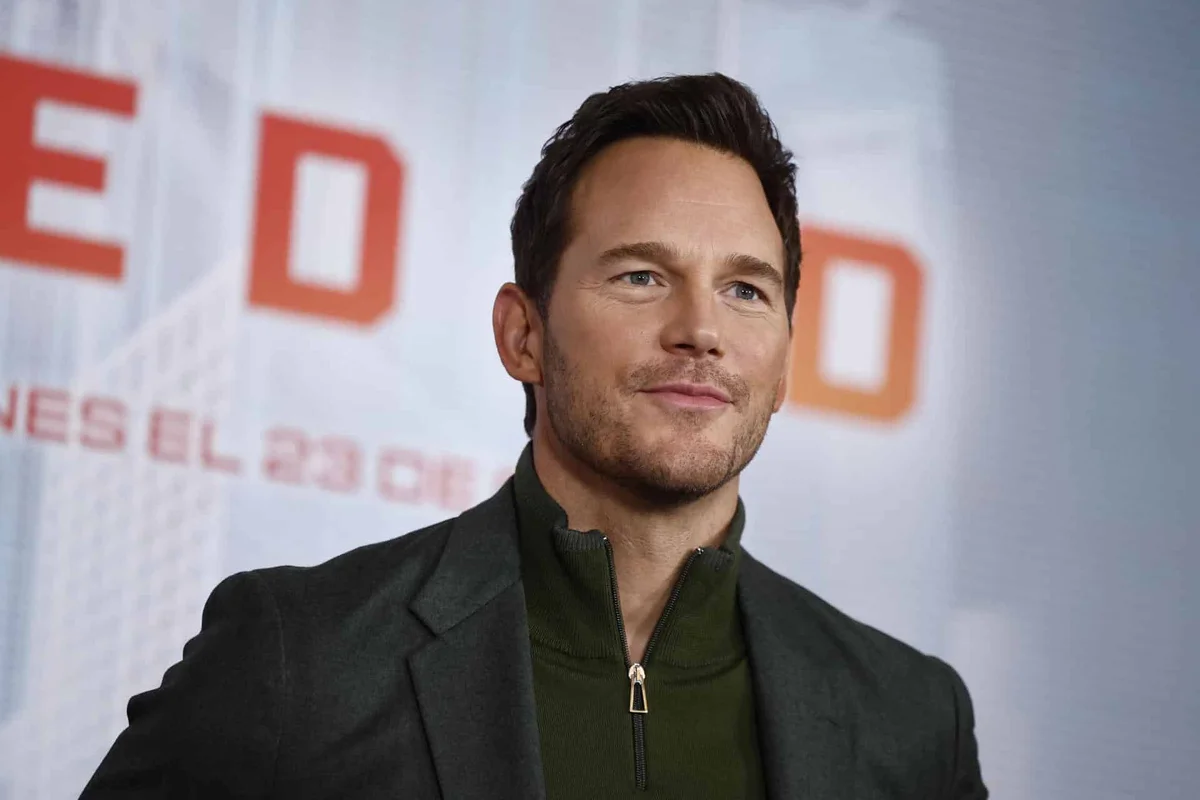
The rise of artificial intelligence in Hollywood has sparked heated debates, especially regarding the use of AI-generated actors in film and television. Amid this growing controversy, Chris Pratt, star of the upcoming movie Mercy, expressed his skepticism and frustration over the notion that AI could replace real actors. Speaking at a red carpet event, Pratt addressed the buzz around the AI actress Tilly Norwood, a creation from Eline Van der Velden’s AI talent studio, Xicoia, which has been reported to be in discussions with talent agents about signing her.
Hollywood’s Experimentation with AI Amid Industry Changes
Studios are increasingly interested in AI technology, not only as a creative tool but also as a way to speed up production and reduce costs. AI talent studios like Xicoia claim to offer new possibilities by generating entirely synthetic performers such as Tilly Norwood. However, this proposition has been met with criticism, as many industry professionals argue that AI lacks the emotional depth and connection that human actors bring to their performances. Critics point out that AI-generated content can feel hollow because it essentially repurposes existing work, lacking true creative intent.
Pratt’s Perspective on AI’s Role in Film and Human Creativity
In his remarks, Chris Pratt made it clear he does not believe AI will replace actors anytime soon, especially not himself. He dismissed the chatter around Tilly Norwood as unfounded, stating he has never encountered her in any film and dismissing the phenomenon as “bullshit.” Still, Pratt acknowledged that AI is an impressive tool with the potential to assist storytellers and fundamentally disrupt the filmmaking process. He described the current moment as an “intellectual revolution” where arts and entertainment industries are being transformed by new technologies.
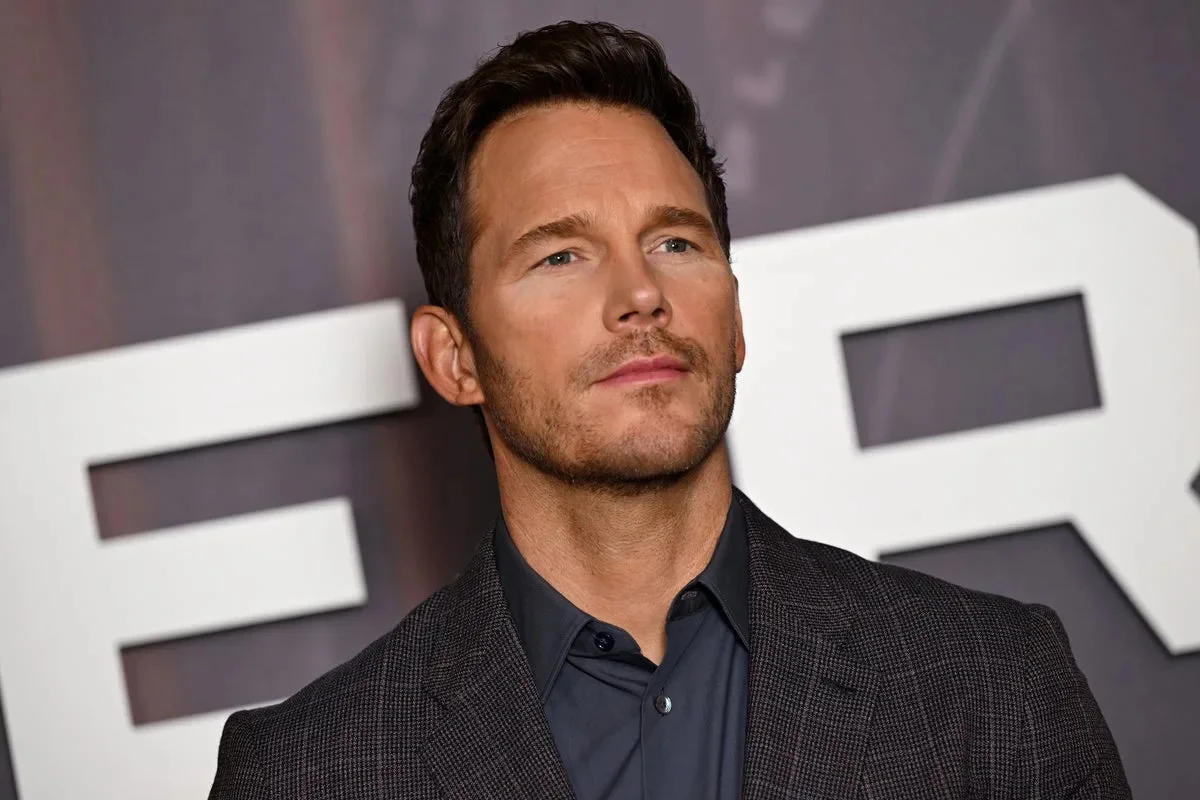
Pratt emphasized the irreplaceable nature of human creativity and emotion in filmmaking. He said,
“I don’t think you can replace a human soul — director, writer, actor, singer, any of this stuff that requires human yearning, suffering, vision, and art. It’s the soul, that connection.”
He explained that while AI might streamline production and lower costs, the intangible quality of human connection remains critical for audiences.
Reflecting on the emotional experience of watching films, Pratt stated,
“Watching a movie, you might not be able to put your finger on what you’re digesting, but you know it’s real. We might not fully comprehend it, but it’s there. In the absence of that true connection, it’s not going to feel right. Something will be missing, and we’ll know it — the human soul. That gives me comfort.”
AI’s Rising Presence in Entertainment Fuels Debate About Authenticity
The discussion around AI artists like Tilly Norwood highlights a deeper industry struggle—balancing innovation with artistic authenticity. While AI allows for rapid production and cost savings, concerns linger about losing the essence of storytelling that comes with human experiences and interpretations. Chris Pratt’s statements underline the tension between technological progress and preserving the core emotional truth in cinema.
His comments resonate amid a wider debate involving many talent agents and filmmakers who are cautious about embracing AI-generated performers. There is widespread agreement that although tools powered by AI will increasingly aid creation and workflow, they cannot substitute the nuanced performances shaped by human insight and emotion. Pratt’s critique spotlights how audiences will ultimately sense the difference, even if it is difficult to articulate precisely.
Looking Ahead: The Future of AI and Human Actors in Film
As AI continues to evolve within the entertainment industry, its role will likely expand but remain complementary rather than wholly substitutive. While studios explore how AI can assist in scriptwriting, visual effects, and production efficiency, actors like Chris Pratt remain confident that human artistry cannot be replicated by machines. The ongoing conversation about AI’s place in Hollywood underscores the urgent need to define ethical and creative boundaries.
Despite the uncertainty, Pratt’s grounded viewpoint reminds the industry and audiences that storytelling is ultimately about genuine human connection, which no algorithm can replace. The debate sparked by AI actresses like Tilly Norwood is far from over, but it is clear that the soul behind a performance continues to be paramount, shaping the future of film and television in an age of rapid digital disruption.
“I don’t feel like someone’s going to replace me with AI. This Tilly Norwood thing — it’s all bullshit. I’ve never seen her in a movie. I don’t know who this bitch is. It’s all fake until it’s something. I think it’s an amazing tool that could really help people tell stories. It’s inevitably going to disrupt the industry. We’re in the midst of an intellectual revolution.” – Chris Pratt, Actor
“We’re not the first or the last industry disrupted by AI, but I just keep trucking forward. Great filmmakers are going to make great films, and they’re probably going to implement these tools if it helps streamline production and bring the cost of production down. It’s inevitable. I don’t think you can replace a human soul — director, writer, actor, singer, any of this stuff that requires human yearning, suffering, vision, and art. It’s the soul, that connection.” – Chris Pratt, Actor
“Watching a movie, you might not be able to put your finger on what you’re digesting, but you know it’s real. We might not fully comprehend it, but it’s there. In the absence of that true connection, it’s not going to feel right. Something will be missing, and we’ll know it — the human soul. That gives me comfort.” – Chris Pratt, Actor
#ChrisPratt calls the buzz around AI actress Tilly Norwood “bullshit”: “I’ve never seen her in a movie. I don’t know who this bitch is.” pic.twitter.com/eLJp68qR7U
— Variety (@Variety) January 21, 2026

Related semantic context: related coverage · external reference.
