
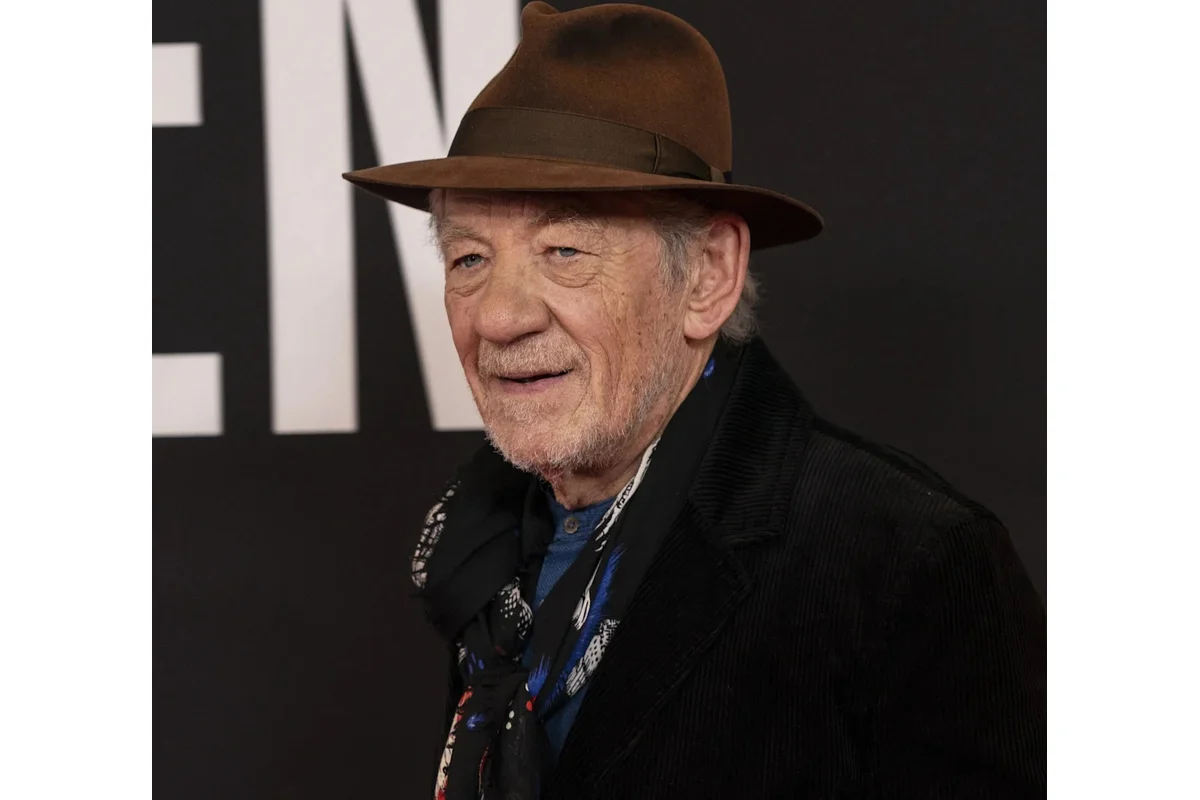
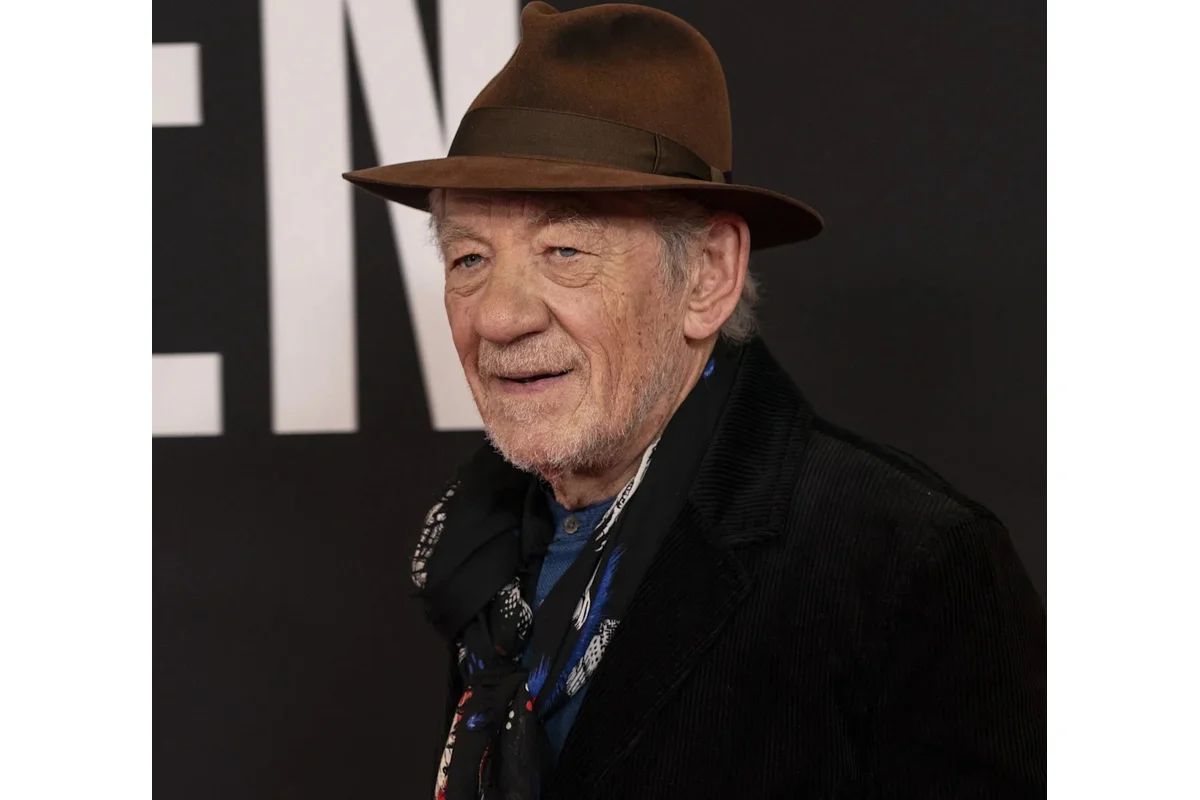
At the Shed cultural center in Manhattan’s Hudson Yards, audiences experience an unprecedented form of live performance through Ian McKellen mixed reality theater. In the play An Ark, which runs until March 1, viewers wear enhanced glasses that blend physical space with digital projections, creating an immersive encounter where actors appear before them in near-transparent, holographic form. This groundbreaking production invites the audience into a direct, personal interaction with the actors despite their intangible physical presence.
Mixed Reality Versus Virtual Reality: Redefining Audience Engagement
The creators of An Ark emphasize the distinction between mixed reality and virtual reality. Unlike VR, which fully envelops users in a digital environment often isolating them from others, mixed reality merges digital content with the physical world and maintains real-world connection. Todd Eckert, the producer and founder of Tin Drum, highlights that the experience is designed so viewers see both the actors and each other within the same space, fostering a sense of communal participation rather than isolation. This approach aims to retain the essence of live theater and human connection amid advanced technological execution.
“I don’t see the point of exacerbating that,”
Todd Eckert, producer
“The reason that this is an experience without a screen, that we’re using this technology that not a lot of other people are using, is because you see each other and you see the room. Your experience is one of being connected – that’s the whole point of the story.”
Todd Eckert, producer
Technological Innovations Behind the Scenes
Mixed reality’s integration into everyday life is familiar through examples such as football game graphics and automotive head-up displays, yet its application in theater remains rare due to technical challenges in capturing lifelike three-dimensional imagery. Tin Drum, led by Eckert, has been pioneering these methods since 2016. Past projects include a holographic performance featuring Marina Abramović and a 3D concert with composer Ryuichi Sakamoto. An Ark advances this technology by combining volumetric capture with live performance precision, filming four actors simultaneously through 52 cameras in a single take to simulate a private, intimate theater setting.
The Creative Vision and Human Connection at the Heart of An Ark
Simon Stephens wrote An Ark in 2020, exploring themes of life, death, and human connection through four intertwined stories told in second person. The collaboration between Stephens and Eckert aimed to create an experience impossible in traditional theater, prioritizing emotional presence over technological spectacle. Director Sarah Frankcom, initially skeptical about the technical aspects, found new artistic freedom within the constraints of the volumetric video system. She directed the cast much like a conventional play, resulting in performances that maintain steady eye contact and foster a unique intimacy between actor and viewer.
“I don’t understand anything about technology. I’m not really that interested in it,”
Sarah Frankcom, director
“My work has been very actor-centered, very writer-centered, very much about openness, connection, the way that live experience can momentarily hold you in a space and allow you to feel and see something differently.”
Sarah Frankcom, director
“It was a completely identical experience, it’s just that we had our performance ready before we went to create the environment that it was going to be presented in.”
Sarah Frankcom, director
“It allows you to be present with the actor on your own terms, and that’s very different to watching film, it’s very different to watching theater. You have a direct and pure relationship, and you do feel seen.”
Sarah Frankcom, director
The Experience and Challenges of Mixed Reality Performance
The visuals evoke an uncanny sensation as the projected actors, including McKellen, Golda Rosheuvel, Arinzé Kene, and Rosie Sheehy, lock eyes with individual audience members. Some aspects appear surreal, such as the faintly blended edges of the imagery that cause actors’ feet to seem melted into the floor. Despite moments of technical imperfection, Eckert prioritizes the connection fostered by this medium over visual clarity or hyper-realistic resolution. He contrasts this digital format with VR, underscoring the importance of preserving human interaction rather than encouraging detachment.
“VR takes away even any potential for human interaction,”
Todd Eckert, producer
“Every time I’ve watched [An Ark], I’ve seen people that are in a completely different chunk of life than I am. And the fact that they were responding actually gave me hope for humanity. Which sounds overblown, but it’s true. That’s what I want out of this. I want something that really leans into the connection. And for me, resolution has very little to do with that.”
Todd Eckert, producer
“When it finishes, and people take their devices off, it feels to me like it’s a room full of people that have been on a journey and been through something together,”
Sarah Frankcom, director
“I’ve had people talk to me in a way that I’ve never had them talk to me at the end of the theater show.”
Sarah Frankcom, director
The Future of Theater and the Role of Mixed Reality
Proponents of mixed reality theater anticipate its potential to make intimate performances more accessible and to capture the vitality of actors better than traditional video recordings. Given the increasing cost of live theater, this approach could democratize premium theatrical experiences, allowing broader audiences to engage closely with performances more affordably and repeatedly. Both Eckert and Frankcom regard their work on An Ark as an initial foray into a new artistic medium, suggesting that its full possibilities remain undiscovered.
“There’s something very simple and very pure about what we’ve made that feels like it’s the first letter of an alphabet,”
Sarah Frankcom, director
“And to not know what the rest is, I think is probably good.”
Sarah Frankcom, director
“Technology is forever being heralded as this thing that’s going to solve all of these problems,”
Todd Eckert, producer
“And I don’t know that it has. But forever, longer than any of us will be alive, people will sit down and feel that Ian, Golda, Arinzé and Rosie are staring them right in the eyes. That’s a result to me.”
Todd Eckert, producer
The Enduring Importance of Presence in Contemporary Theater
The creators of An Ark emphasize that despite the integration of technology, the core aim remains to sustain the live, present moment that defines theater. In a world often dominated by digital distractions and disconnected experiences, mixed reality theater offers a compelling form of engagement that reconnects audiences with the immediacy of human interaction. This blend of technology and performance aims to reaffirm the shared experience of being alive together in a shared space.
“We’re in a moment in time where being present feels really, really necessary as a balm to the kind of craziness that’s out of our control,”
Sarah Frankcom, director
“Theater, I think, has a really strong place to bring people together and go: ‘You’re here. We lived, we’re alive.’”
Sarah Frankcom, director
An Ark continues its run at the Shed in New York through March 1, offering audiences a glimpse into the evolving landscape of live theatrical performance shaped by mixed reality technology.
Related semantic context: related coverage · external reference.
