
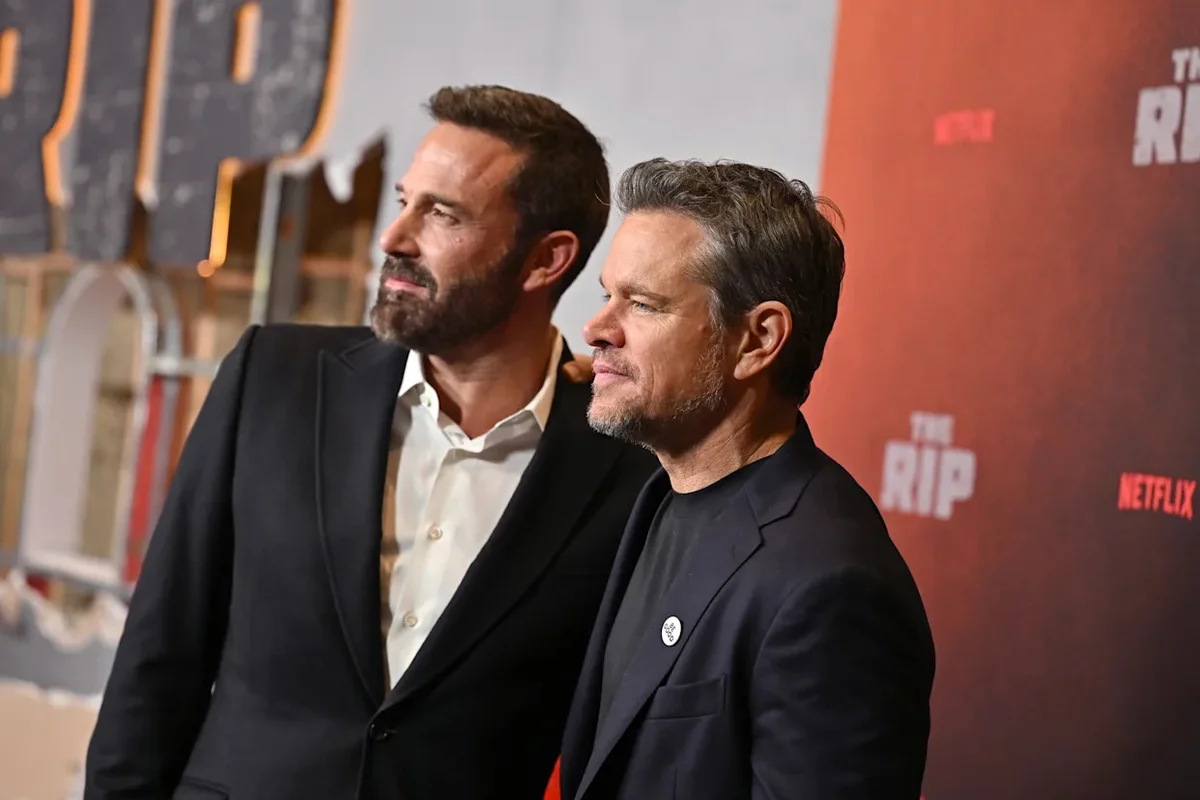
Matt Damon has voiced deep frustration with the state of Hollywood, revealing his growing dissatisfaction with the film industry’s current focus and output. Known for his extensive career, Damon highlighted how his own experiences reflect broader challenges impacting actors and producers alike. The Boston-born actor expressed his concerns about the shift in movie-making trends that he believes have marginalized the types of films that once shaped his career.
From Breakthrough Roles to Repeated Patterns
Damon’s rise to stardom was launched by “Good Will Hunting,” but he credits “The Bourne Identity,” directed by Doug Liman, with sustaining his career beyond an initial burst of fame. That film, which helped avoid his fading into obscurity, set the foundation for his later success in a mix of blockbusters, auteur-driven projects, and ensemble casts. Over the years, Damon’s career has alternated between artistic films and mainstream genre movies, maintaining his status as a major name in the industry.
Yet, Damon has expressed concern for over a decade that this model may no longer be viable. He predicted as early as 2016 that film opportunities for the type of dramas and smaller-scale stories that once dominated his filmography were evaporating.
The Rise of Big-Budget Franchises and Decline of Mid-Range Films
Discussing the current Hollywood climate, Damon voiced his dissatisfaction with the industry’s heavy concentration on blockbuster films with massive budgets. He lamented the dominance of what he described as “giant, giant movies” that revolve around superheroes and big effects, a style that became prominent before his involvement in projects like “Deadpool 2” and Taika Waititi’s “Thor” films.
He said,
“I think nowadays I’m so depressed about things because movies have changed since I was where you are,”
referencing a 2016 interview with The Tech. He added,
“Because of these bigger influences on the business, now they’re making these giant, giant movies that are these $300 million behemoths.”
Damon marked his displeasure with the near disappearance of the kinds of character-driven projects that were once his mainstay.
“I’d say what irks me the most right now is that the movies that were my bread and butter, the Good Will Hunting-type movies, or The Informant, or movies like that, have just evaporated,”
he said.
“They’re just gone. They’re not being made anymore. They’re either being made for television, or they have to be made for extremely low budgets.”
Concerns About Simplified Storytelling and Audience Engagement
Damon also expressed criticism of the storytelling quality in today’s films, highlighting a trend toward more straightforward and predictable scripts. He described the scripts as having become
“so simple, and the stories have become so simple and predictable, and we’re not getting tired of them yet.”
This, according to Damon, is a troubling sign for cinema’s creative future.
Adapting to New Viewing Habits and Industry Realities
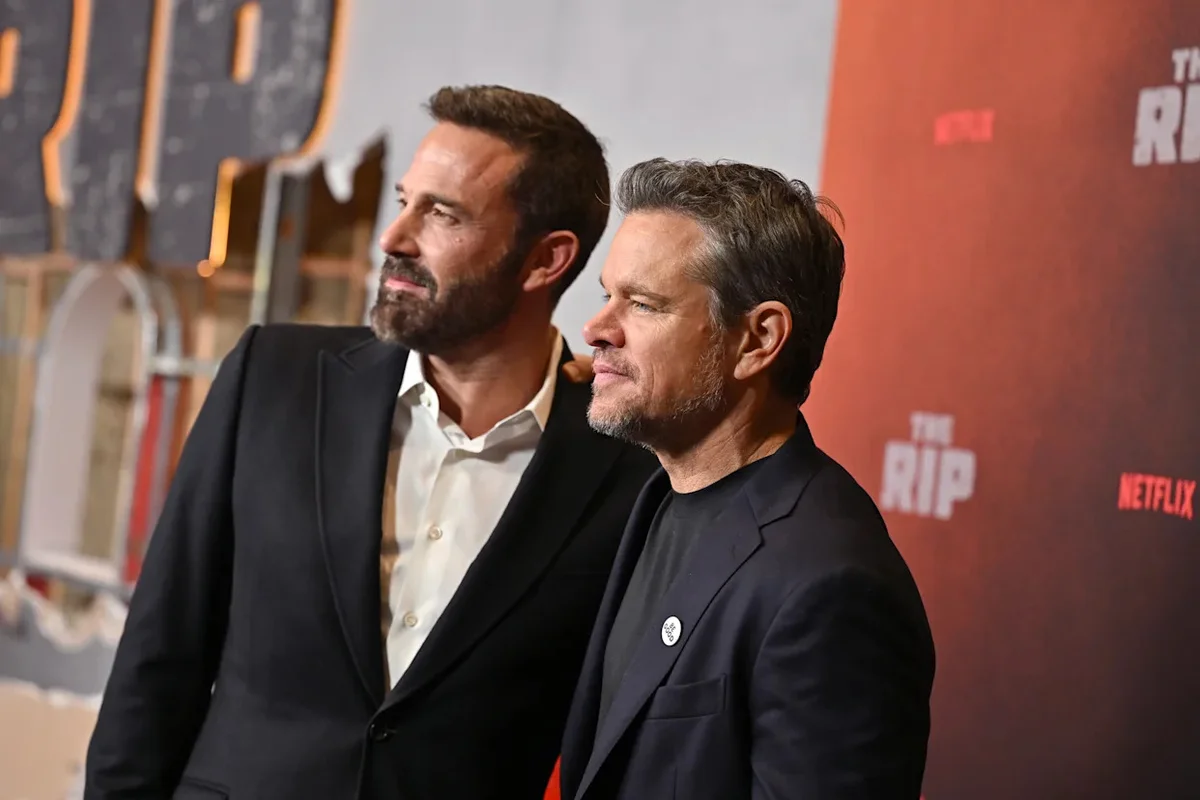
In an example of adapting to these changes, Damon co-led and co-produced the film “The Rip” with Ben Affleck in 2026, under their Artists Equity company. This project was made with the understanding that streaming platforms like Netflix expect shorter, repeated plot points delivered through dialogue because many viewers watch while multitasking on devices. This approach reflects a major shift in how filmmakers now consider audience behavior, moving away from immersive cinema experiences toward accommodating divided attention.
Implications for the Future of Hollywood Films
Matt Damon’s comments underscore a broader anxiety in the film industry related to evolving production priorities and audience expectations. The decline of mid-budget, character-driven movies—once a staple of Damon’s career—is a sign of Hollywood’s growing preference for high-budget franchises and streamlined narratives. Whether this shift will continue or prompt a revival of more nuanced storytelling remains uncertain, but Damon’s criticism highlights the tensions faced by longtime actors navigating an industry in flux.

Related semantic context: related coverage · external reference.
