
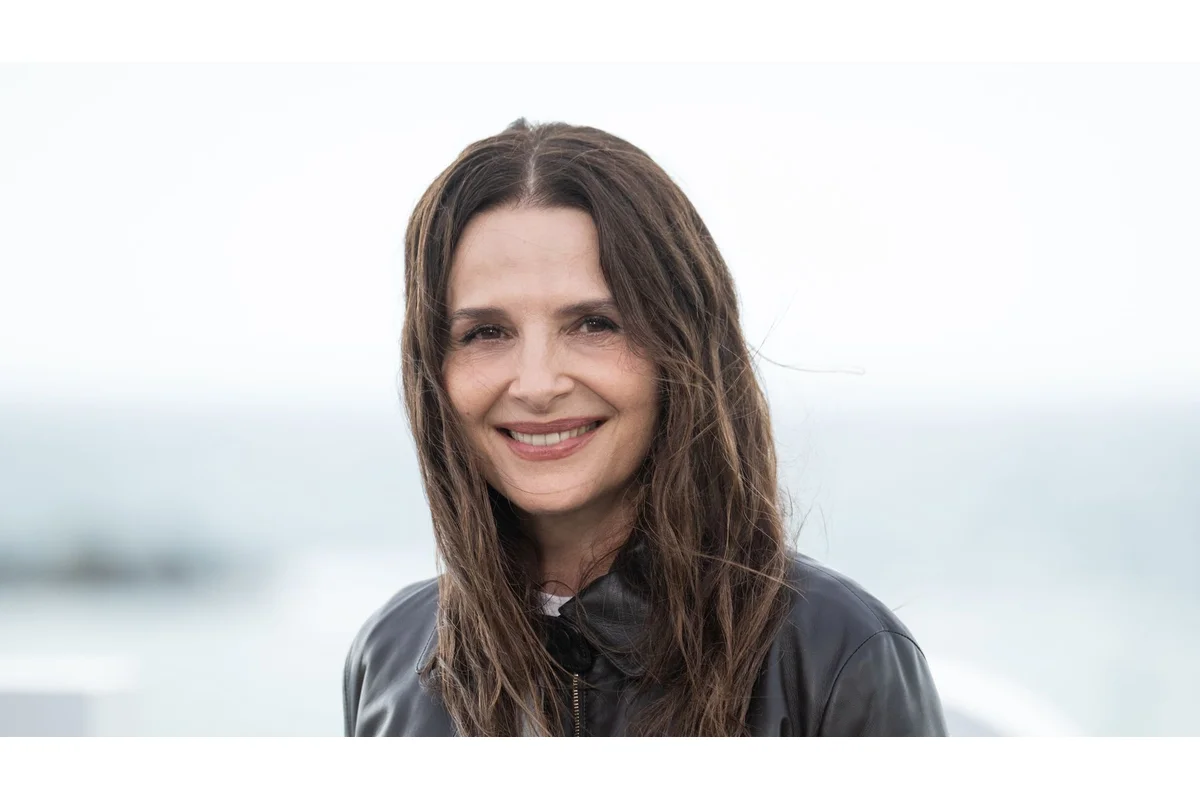
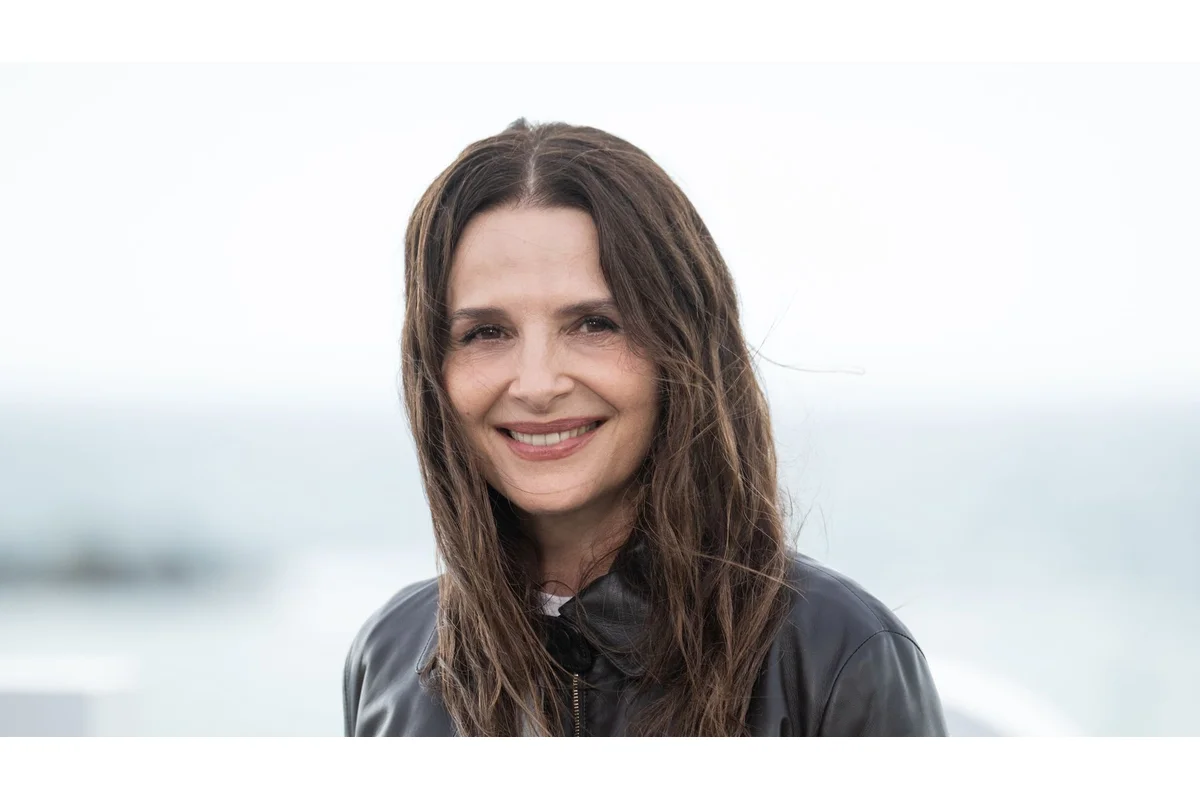
French actress Juliette Binoche has joined over 800 cinema professionals worldwide in condemning the Iranian government’s brutal crackdown on its citizens amid ongoing protests. This collective denunciation, made public in early January, calls attention to the extensive violence and repression carried out by Iran’s authorities against peaceful demonstrators.
Collective Stand Against Government Repression in Iran
Among the signatories are prominent figures such as Marion Cotillard, Camille Cottin, Greek filmmaker Yorgos Lanthimos, and exiled Iranian cultural activists including Zar Amir Ebrahimi and Shirin Neshat. Together, they issued a statement condemning the “organised crimes” perpetrated by the Islamic Republic in response to widespread protests across Iran. The statement highlights how civilians—women, adolescents, and children—have been subjected to live ammunition, mass arrests, torture, and enforced disappearances.
The protest movement erupted in late December following a currency crash that affected many Iranians, particularly merchants in Tehran who shuttered their shops in defiance. These demonstrations, regarded as the largest since the 2022 Woman Life Freedom movement, have united diverse social groups throughout the country opposing repression, poverty, and discrimination.
Details of the Crackdown and Human Rights Violations
The statement details how the Iranian government’s response escalated to deadly force, with over three thousand people reportedly killed according to independent reports, though some estimates rise as high as 16,500 fatalities. In addition to killings, tens of thousands of protestors have been detained amid growing concerns over torture and potential executions. Authorities have also imposed an extensive internet blackout since January 8, effectively suppressing media coverage and efforts to document abuses.
This blackout, coupled with the silencing of journalism, exemplifies a deliberate attempt by state authorities to conceal the scale of repression. Signatories emphasize that these violations amount to crimes against humanity, infringing on rights such as life, liberty, and human dignity.
International Artists Urge Global Response and Solidarity
The protest against the Iranian government’s actions extends to calls for the global artistic and cultural community to respond decisively. The statement appeals to independent international organizations, film festivals, and cultural institutions to condemn the violence and reconsider their connections with Iranian state-affiliated bodies. The artists stress that remaining silent amounts to complicity in these human rights abuses.
“No political power has the right to massacre its own people in order to preserve itself or to silence the truth. We call upon independent international institutions, film festivals, cultural and artistic institutions and the global community of filmmakers and artist to publicly and concretely condemn these crimes, to reassess and reconsider their relationships with official institutions of the Islamic Republic, and to support the struggle of the people of Iran for freedom, human dignity, and all inherent and inalienable human rights,”
Juliette Binoche and fellow signatories
The statement also expresses solidarity with victims’ families, political prisoners, and the courageous individuals across Iranian regions such as Tehran, Kurdistan, Baluchestan, and Azerbaijan, who despite facing harsh repression, continue protesting for a future free from oppression and discrimination.
“This statement is written in solidarity with the families of those killed, political prisoners, and the people from Tehran to Kurdistan, Baluchestan, and Azerbaijan …. who, despite brutal repression, continue to stand in the streets in defence of a future free from oppression and discrimination, and for a humane life without violence.”
Juliette Binoche and signatories
The Broader Context and Ongoing Repercussions
This wave of protests is distinguished from previous uprisings by its broad societal reach, reflecting widespread dissatisfaction with the regime’s policies. Iranian cinema figures such as Mahnaz Mohammadi and Nadav Lapid have also voiced their concerns, amplifying the call for justice and accountability. Film festival directors like Gaia Furrer from Venice’s Giornate degli Autori and Marrakech International Film Festival’s Remi Bonhomme have added their names, illustrating the widespread impact of the crisis within the international cultural community.
Given the severity of the crackdown and continued government opacity, the statement’s signatories warn that the repression may leave a lasting legacy of violence within Iran and emphasize the urgent need for global attention and support toward the Iranian people’s pursuit of freedom and human rights.
Related semantic context: related coverage · external reference.
