
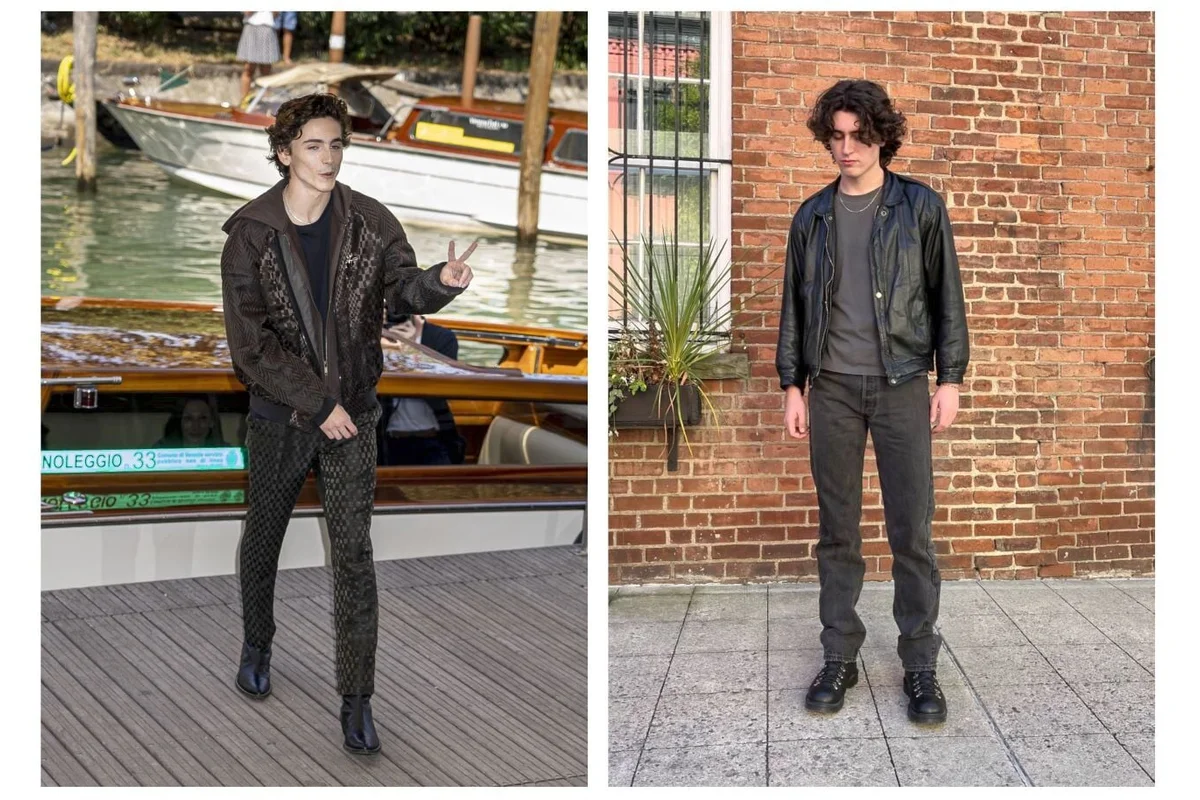
As the Oscar nominations are set to be announced this Thursday, Timothée Chalamet stands out as a frontrunner for Best Actor due to his role in the film Marty Supreme. His potential nomination follows months of strategic campaigning targeting both general audiences and influencers within the entertainment community. The actor’s evolving public image and calculated outreach reflect his growing prominence during this awards season.
Chalamet’s Early Promotional Strategy: Embracing Urban Culture and Millennial Identity
Leading up to the Christmas Day release of his period piece centered on table tennis, Chalamet demonstrated relentless confidence in his craft. He reflected on his career, stating,
“It’s been like seven, eight years that I’ve been handing in really, really committed top-of-the-line performances”
, highlighting his sustained artistic dedication. During this period, he collaborated with comedian and rapper hopper Druski, released a guest verse on UK rapper EsDeeKid’s track 4 Raws, and marked his 30th birthday by claiming an “unc” status, aligning himself with millennial trends deeply influenced by Black culture.
This multifaceted approach positioned him as a cultural bridge connecting hardcore sports and rap audiences with younger generations, many of whom appropriate African American Vernacular English (AAVE) without full awareness of its roots. The strategy seemingly helped fuel the success of Marty Supreme, propelling it to become A24’s highest-grossing film ever.
Adjusting Image: A More Reserved Approach at Award Season Events
As the awards season progressed, Chalamet shifted gears, toning down his previously bold persona. At the recent Golden Globes ceremony, he appeared in classic black Timberland boots—a symbol tied closely to gritty New York City working-class culture and rap music references. This choice underscored his move away from flamboyant gestures to a more grounded image. His acceptance speech was notably modest, focusing on congratulating fellow nominees and expressing gratitude to his partner, Kylie Jenner, rather than indulging in the self-promotional flair observed earlier.
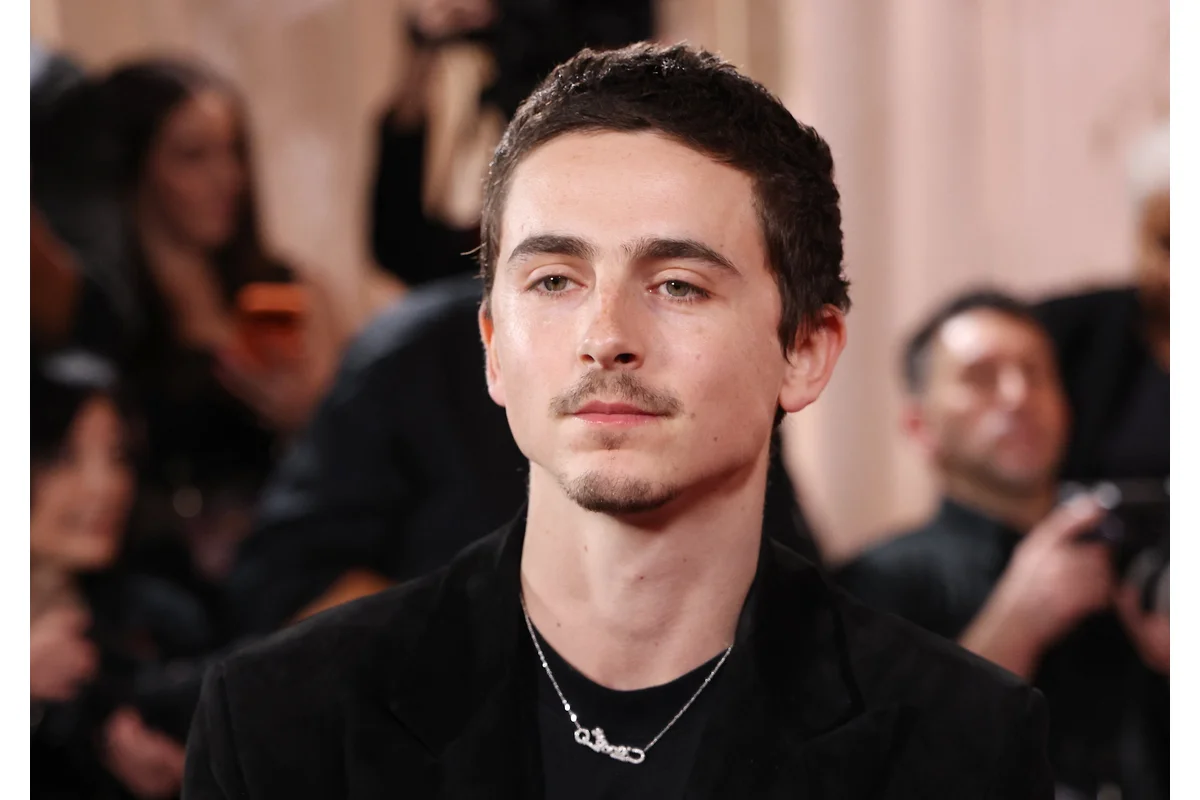
Chalamet appears intent on distancing himself from the “wigga” label—a derogatory term describing white men who overreach in adopting Black cultural markers, which had recently led to his inclusion on the Know Your Meme page. His ability to engage in this cultural interplay without diminishing his prestige draws attention to the privileges white actors possess when navigating such self-expression in Hollywood.
The ‘Wigga’ Phenomenon and Its Cultural Implications
The idea of the wigga has long existed within popular culture, notably depicted in Marc Levin’s 1999 film Whiteboyz. The story presents suburban white youths obsessed with emulating the toughness of inner-city Black hustlers as portrayed in gangsta rap, often resulting in misguided and exaggerated imitations. Typical signifiers include durags and other symbols meant to convey street credibility but delivered with a learned affectation rather than genuine inheritance. Throughout the decades, figures embodying such caricatures have surfaced, ranging from ’90s Africans medallion wearers to Eminem imitators in the 2000s and eccentric personalities like Riff Raff in the 2010s. These representations, including those before the rise of MAGA, highlight confusion between appreciation and appropriation.
Chalamet’s Engagement with Hip-Hop and Urban Culture
To connect with the young, internet-savvy male demographic, Chalamet leaned into culturally significant elements tied to his generation. As a teenager, he was notably honored at an NYU event by rapper Lil B the Based God, a nod to his affinity with hip-hop circles. His guest appearance on EsDeeKid’s remix quashed rumors he was secretively the Liverpool rapper’s alter ego while maintaining ideas about his rapping capability. This involvement underscores Chalamet’s earnest interest in navigating the rhythms and vocabulary of hip-hop without fully immersing himself in the complexities of its wordplay.
His campaign also creatively leveraged nostalgia through fashion, particularly by promoting the warm-up jacket featured in Marty Supreme, a nod to Starter-era NBA memorabilia adored by fans and collectors. The jacket’s rare resale value, estimated around $10,000 on the resale market, reflects the cultural weight behind such items. Chalamet’s embrace of hip-hop marks a sharp contrast with his previous public persona, which included performing Bob Dylan covers on the album A Complete Unknown slated for 2024. However, this older act included moments of contemporary relevance, like joining social media star Brittany Broski in a Soulja Boy dance.
Collaborations with Druski and Exploration of Brooklyn Culture
In December, Chalamet joined Druski in East New York as a guest judge at auditions for Druski’s Coulda Been Records imprint, offering a taste of Brooklyn’s local scene. This collaboration placed him alongside another white celebrity navigating hip-hop circles, reminiscent of Justin Bieber’s mixed reception when partnering with Druski earlier in the year on skits accompanying Bieber’s first Swag album. Bieber’s attempts to blend Black and queer slang received ridicule, with lines like
“It’s not clocking to you that I’m standing on business”
and Druski’s comment
“Your skin white, but your soul Black.”
emphasizing aspirational identity struggles and cultural dissonance.
Unlike Bieber’s stumbles, Chalamet avoided a similar fate. His assertion of 2 percent Jamaican heritage during the Coulda Been Records segment allowed him to participate lightly while respecting the urban cultural context in Brooklyn. The experience prompted reflection on his upbringing in Hell’s Kitchen, specifically contrasting it with neighborhoods like Brownsville that are predominantly Black and often overlooked. Visiting Carmelo Anthony and speaking on Kid Mero’s podcast further highlighted Chalamet’s efforts to break from typical press appearances and understand systemic challenges facing marginalized communities.
Chalamet’s Perspective on His Role Within Hip-Hop Culture
While acknowledging his outsider status, Chalamet expresses genuine respect and fandom for Black culture and hip-hop. In his words,
“I wanna be respectful and all the shit you’re supposed to say blah, blah, blah, but really I’m just a fan. You know, I’m a fan of Black culture and hip-hop and all of it.”
He also recognizes the heightened scrutiny that comes with celebrity, stating,
“When you’re growing up, you’re not thinking, Oh, is this appropriate … In a position of celebrity, you gotta watch your step.”
This self-awareness marks a significant shift from the earlier, more carefree public persona to one that balances appreciation with caution.
Chalamet’s Connection to New York and the Legacy of Marty Reisman
Chalamet’s portrayal of Marty Reisman, an Ashkenazi Manhattan table-tennis champion of the mid-20th century, channels the eclectic spirit of New York City. This setting, alive with eccentrics, philosophers, and witty commentators as seen in local media like Sidetalk and SubwayTakes, offers a vibrant backdrop for the actor’s latest work. During his Golden Globes speech, the absence of previous self-promotional antics and overt Black cultural references suggests a deliberate recalibration to engage varying audiences.
Shifting Focus from Hype to Humility Ahead of the Oscars
In a post-Golden Globes Q&A moderated by Robert Downey Jr., Chalamet revealed a conscious turn toward gratitude and respectfulness, signaling a slowdown from the intense promotional efforts that defined the previous months. His earlier campaign combined playful antics—rapping with EsDeeKid, referencing gospel figure Kirk Franklin with Druski, and honoring basketball history alongside Carmelo Anthony—to connect with demographics typically distant from Oscar contenders. Yet, Chalamet also understands the Academy Awards circuit favors a more refined approach, valuing dedication and artistic rigor.
The “white boy of the year” persona, a label Chalamet embraced after receiving recognition at the Minnesota Timberwolves’ Believe That Awards, appears to be waning as the ceremony approaches. Although his enthusiasm for hip-hop culture remains authentic, his recent restraint underscores a unique privilege; unlike hip-hop’s originators and everyday practitioners, he possesses the freedom to amplify or temper cultural expressions based on convenience and context.
Related semantic context: related coverage · external reference.
