
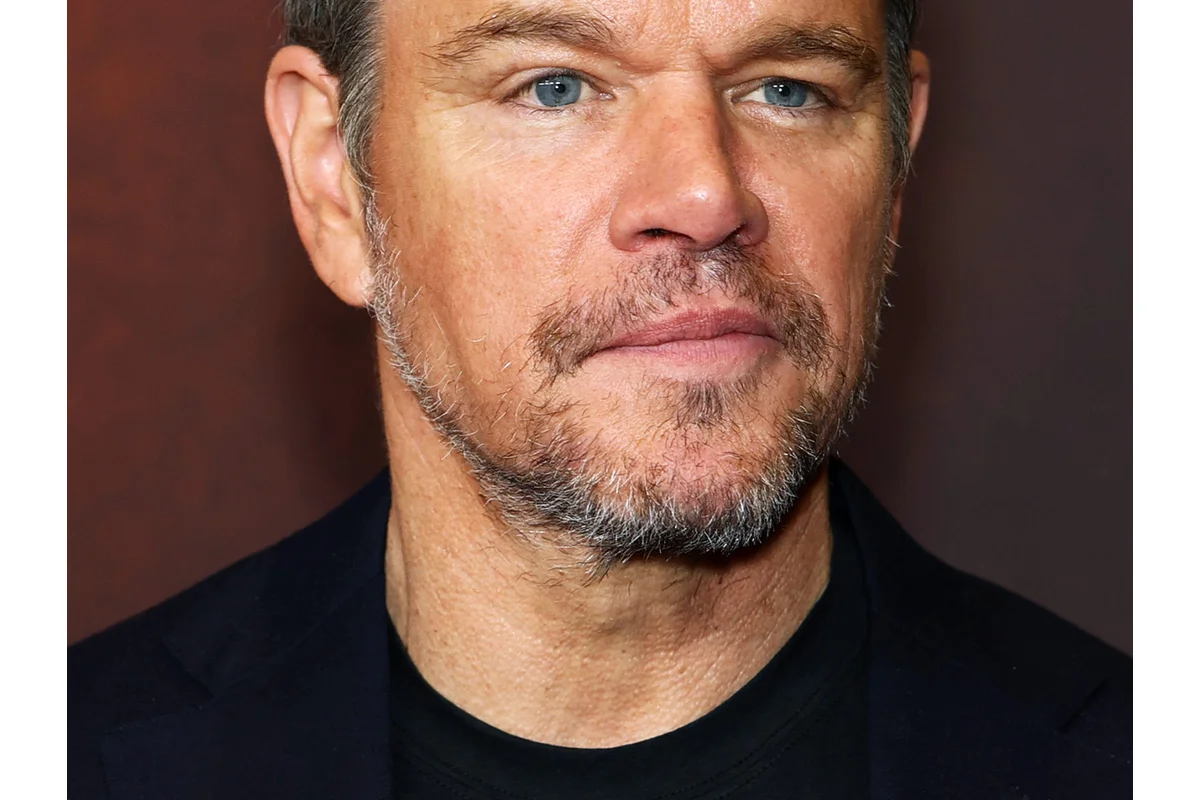
As the new year unfolds, the spotlight on awards season intensifies, with Oscar anticipation leading conversations across pop culture. Matt Damon, featured in the Netflix film The Rip and set to headline The Odyssey later this summer, offers a candid perspective on the Matt Damon Awards Season experience, revealing his complicated feelings about the rituals surrounding award campaigns.
Matt Damon Reflects on His Experience with Awards and Campaigns
Matt Damon first emerged as a notable figure in Hollywood after winning an Oscar for writing Good Will Hunting alongside Ben Affleck in 1998, a triumph that boosted their careers despite their self-deprecating acceptance speech. Over nearly three decades, Damon has delivered acclaimed performances in movies such as The Martian, Saving Private Ryan, The Departed, Contagion, and the Bourne and Ocean’s franchises. His extensive involvement with high-profile films has naturally included navigating numerous award seasons.
In a recent conversation with Skip Intro, Damon was asked about activities he embraces as part of the “joy of missing out” (JOMO). Without hesitation, he singled out awards season, replying, Award season. One-hundred percent. He elaborated:
“What I don’t like is this idea of campaigning. It seems completely backwards to me. It’s just odd…. And maybe it’s good for movies, just having it all, and it gets the culture thinking and talking about movies. I hope that’s the case.” – Matt Damon
Damon’s frank critique highlights a common discomfort among actors regarding the promotional efforts expected during award campaigns. His comments echo earlier remarks from fellow actor Jeffrey Wright, who voiced frustration after enduring his own intense campaign for American Fiction. While many performers aspire to receive nominations or wins, Damon’s willingness to question the process reveals the tension between artistic merit and the politics involved in award recognition.
The Unsettling Nature of Award Campaigning Explained
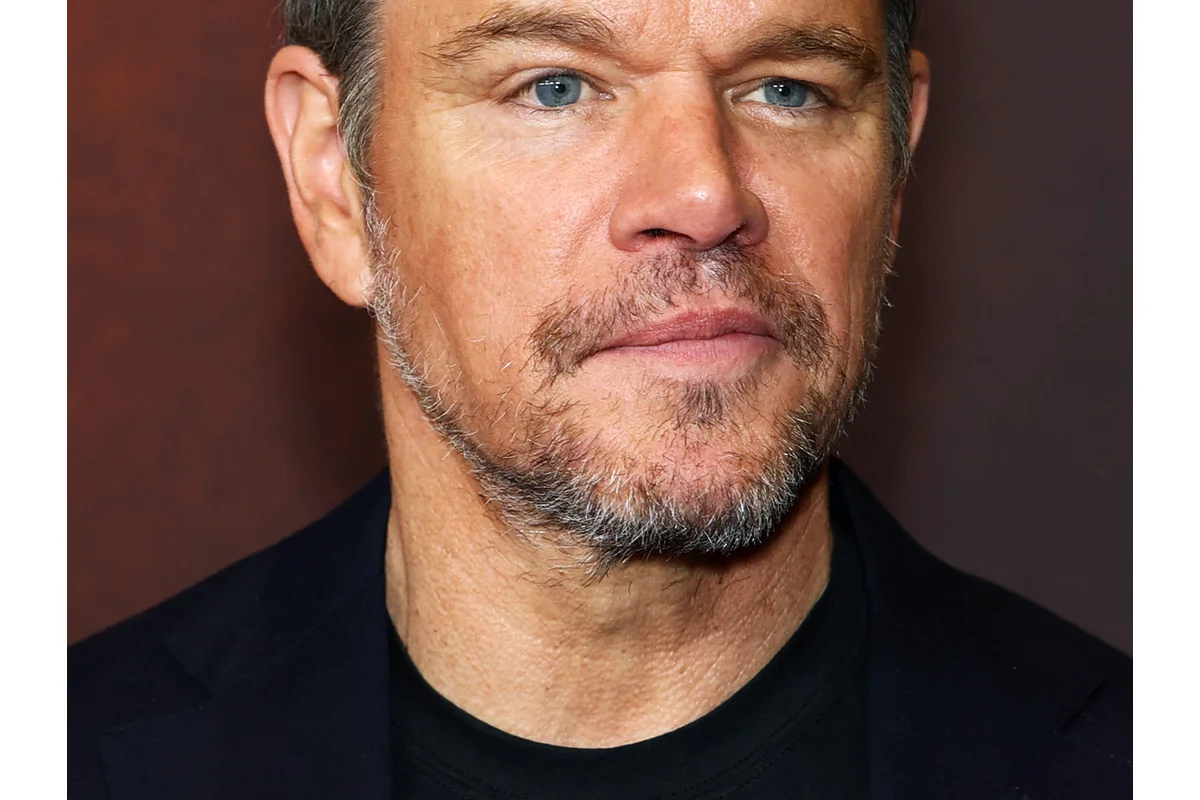
Though Damon acknowledges that awards can help films reach wider audiences, he expresses discomfort with the very mechanism of promotion that drives awards season forward. Discussing the impact of campaigns on public awareness, Damon used a particularly striking term to describe how award promotions embed films and performances in people’s minds amid the overwhelming media landscape. He said:
“There’s certainly something to be said for kind of getting that kind of penetration into people’s, you know, consciousness, because there’s so much noise.” – Matt Damon
The use of the word “penetration” stands out, conjuring an intense and invasive image of how award campaigns seek to implant their subjects deeply into cultural awareness. For Damon, this notion suggests a form of strategic psychological influence, rather than a purely organic recognition of talent. The aggressive nature of such efforts may drown out lesser-known contenders who deserve attention, reinforcing a competitive environment where visibility often trumps merit.
This vivid metaphor sheds light on Damon’s preference to avoid the campaigning grind, despite understanding its benefits. His insight underlines the complex and sometimes unsettling dynamics of awards culture, where the quest for acknowledgment can feel less like celebration and more like a calculated battle for mental space.
Implications of Damon’s Viewpoint for Award Season Culture
Matt Damon’s candid reflections contribute to a broader conversation about the changing attitudes toward awards season in the entertainment industry. His skepticism toward campaigning underscores the frustration many actors feel regarding the intense pressure to market themselves and their films aggressively. As audiences become more aware of these behind-the-scenes battles, there may be growing calls to reassess how awards are determined and promoted.
With forthcoming projects like Christopher Nolan’s epic on the horizon, Damon’s visibility remains high, yet his reluctance to engage in award season theatrics offers a rare glimpse into the personal cost of navigating the industry’s competitive landscape. His statements may encourage others within the film community to reconsider the balance between authentic artistic recognition and the campaigns designed to secure accolades.
As the awards season continues to evolve, the tension between artistic achievement and promotional strategies will likely remain a significant factor influencing actors, filmmakers, and audiences alike. Whether Damon’s critique sparks change or simply resonates as an honest observation, it highlights the complicated relationship many artists have with the pursuit of acclaim.
Related semantic context: related coverage · external reference.
