
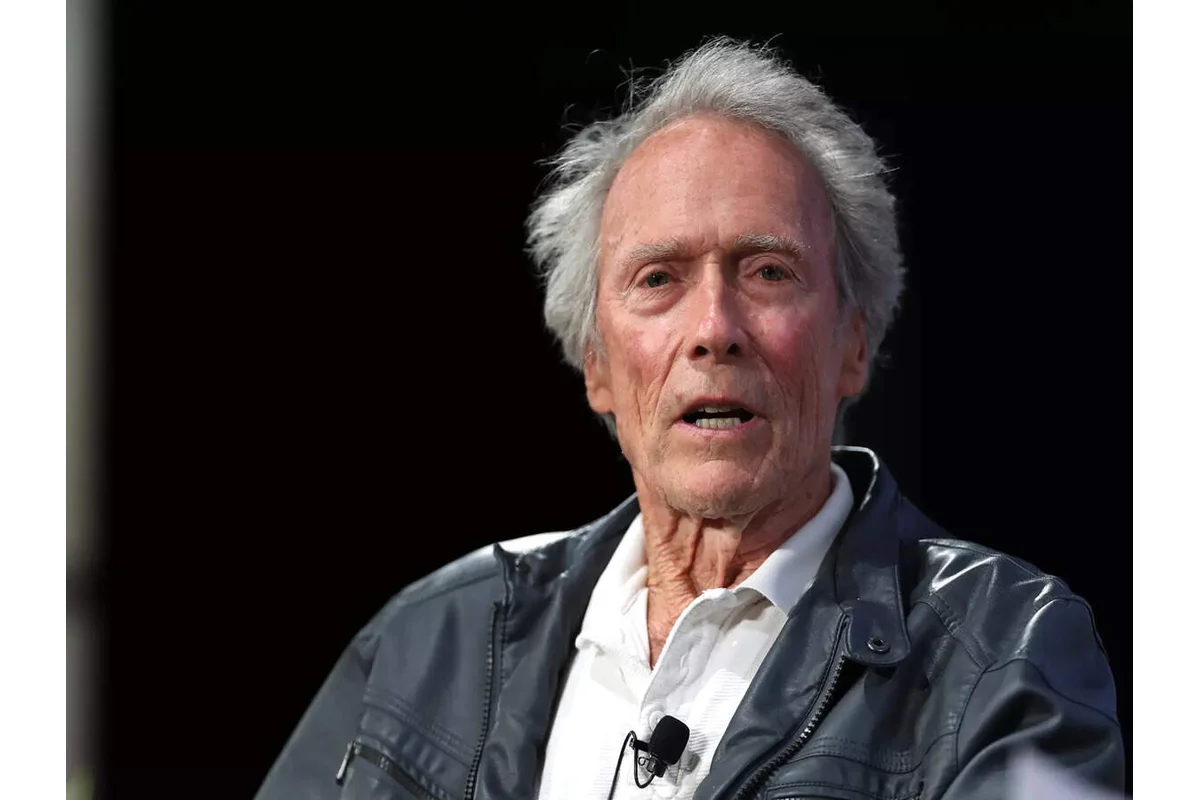
Clint Eastwood is the primary entity for this article, supported by Entertainment topic context.
Related WII context: related keeper article. External authority context: industry context.
Forest Whitaker’s portrayal of Charlie “Bird” Parker in Clint Eastwood’s 1988 biographical jazz drama, Bird, remains one of the most compelling performances in his career, deserving of Academy recognition. This Clint Eastwood Bird film offers an intense exploration of Parker’s life, capturing his genius as a jazz icon while portraying his personal struggles in an authentic and moving way.
Whitaker’s Immersive Transformation Into Jazz Legend Charlie Parker
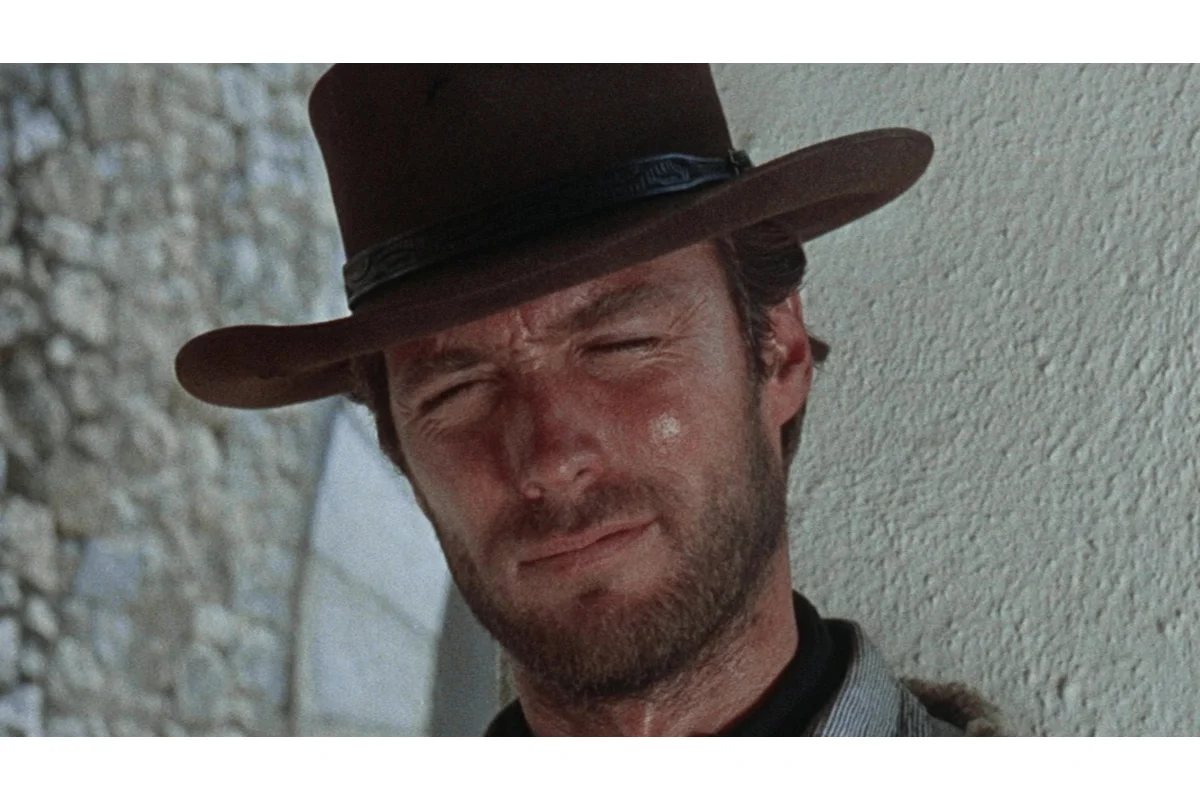
Clint Eastwood, often associated with Westerns like Unforgiven, surprises audiences with his deep passion for jazz, a theme central to Bird. Whitaker fully embraces this vision, convincingly stepping into the shoes of Parker, a pioneering saxophonist. The film presents Parker’s early challenges, including an incident where Buster Smith, played by Keith David, dismisses him and even throws a cymbal on stage, highlighting Parker’s turbulent start.
Whitaker’s portrayal reflects Parker’s rise in the jazz world, vividly depicting his collaborations with fellow musicians like Dizzy Gillespie, portrayed by Samuel E. Wright, as they attempt to popularize bebop in mainstream America with limited success. Parker’s complex relationship with his common-law wife, Chan Parker (Diane Venora), is also a major focus, illustrating his dual existence as a celebrated artist and a man wrestling with addiction and personal responsibility.
The film stands out among music biopics for its authentic representation of a specific era in jazz history, with Whitaker’s nuanced performance bringing Parker’s character vividly to life.
Depicting the Depths of Parker’s Struggles with Addiction and Depression
Beyond his undeniable musical genius, Charlie Parker battled severe addiction to heroin and alcohol, a side that Whitaker captures with remarkable subtlety. The film opens on a dark note, showing Parker’s suicide attempt by drinking iodine after the death of his daughter, an event that plunges him into profound despair. Following this, he is institutionalized at the urging of Chan, who fears that shock treatment could damage the creativity that defined him.
The narrative also rewinds to earlier periods, revealing Parker’s ongoing battles with depression and substance abuse. His addiction complicates his career as producers grow wary of working with him, viewing his unreliability as a liability. Whitaker portrays Parker’s charm and infidelity authentically, making it clear why he was seen as a ladies’ man despite his flaws.
It is Whitaker’s ability to convey Parker’s inner turmoil—masked by a smile yet evident in haunted eyes—that brings an emotional weight to the performance. This quieter, complex role contrasts with Whitaker’s more overtly dramatic parts, such as in The Last King of Scotland, demonstrating his range and depth as an actor.
Convincing Saxophone Performance Enhances Believability
Audiences often marvel when actors convincingly portray musicians, especially when they appear to play instruments authentically. Though Whitaker does not actually perform on the saxophone—the soundtrack features Parker’s original recordings—his physicality and facial expressions create the illusion that the music flows directly through him. His finger movements and body language while “playing” are so compelling that viewers often wonder if he learned to master the instrument for the role.
This seamless melding of actor and musician adds another layer to Whitaker’s portrayal. Unlike some biographical roles where lip-syncing or dubbing is apparent, Whitaker makes viewers feel they are witnessing Charlie Parker himself during performances. The transformation from a restrained individual offstage to a “madman blasting into orbit” onstage embodies the dramatic tension within Parker’s character, elevating the film’s emotional impact.
A Masterful Film Elevated by Whitaker’s Central Performance
While Forest Whitaker has earned an Academy Award for his role as Idi Amin, many believe his work in Bird was equally deserving of formal recognition. Despite the film’s modest box office performance and its relative obscurity among Clint Eastwood’s works, it stands as a profound cinematic achievement. The story offers an intimate look at the person behind the music, similar to how Love & Mercy humanized Brian Wilson’s struggles.
Not all viewers might be jazz fans, and some might feel distant from the musical sections due to unfamiliarity with bebop’s sounds. Nevertheless, Eastwood’s evident passion for the genre and Whitaker’s magnetic performance draw the audience in, creating empathy and appreciation for Parker’s artistry and pain. This film invites viewers to witness the complexities of a musical genius, struggling with addiction and identity, through one of Hollywood’s most versatile actors.
For those seeking a rich, emotional experience grounded in true artistry and human struggle, Bird remains a must-watch, showcasing why Forest Whitaker’s performance in the Clint Eastwood Bird film deserved Oscar recognition decades ago.
