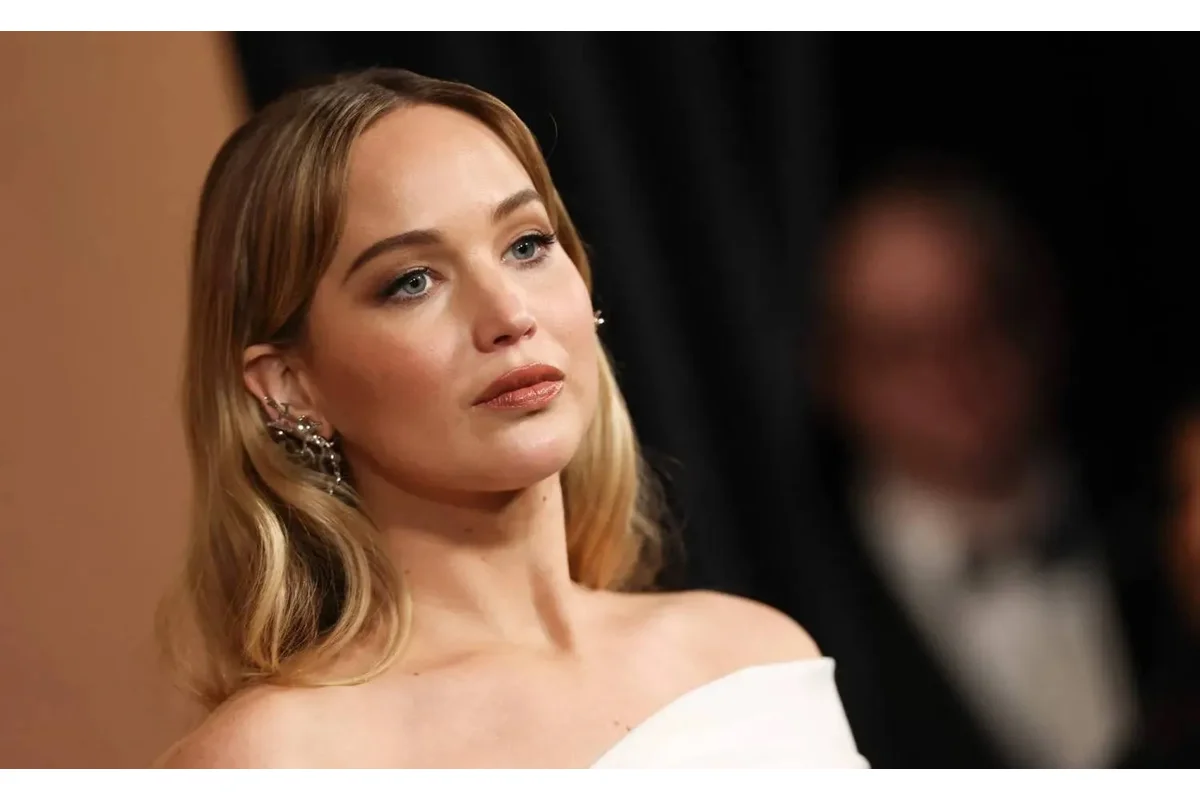
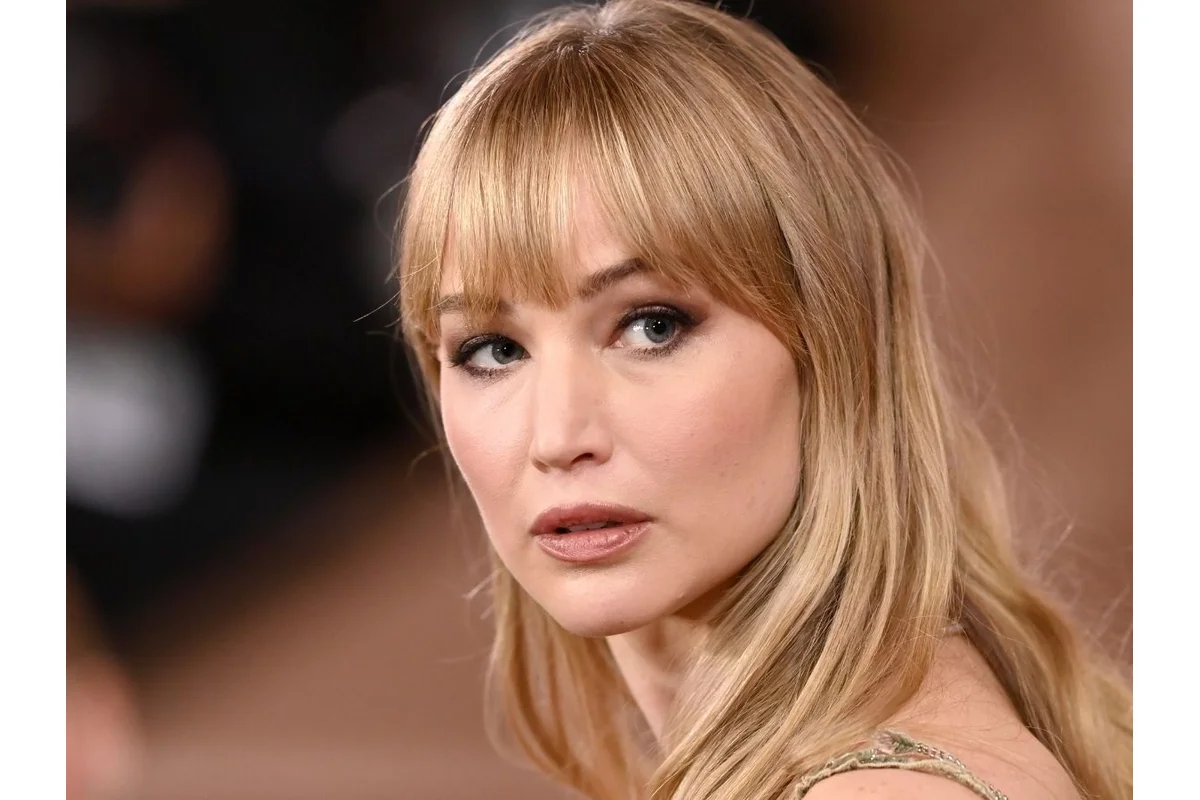
Jennifer Lawrence, Jennifer Lawrence lost role [Image Source: SRPCDIGITAL]
Jennifer Lawrence, the American actress known for her extensive work in Hollywood, revealed on January 12 that she believes she lost a role for not being deemed “pretty enough.” Speaking on Josh Horowitz’s Happy Sad Confused podcast, Lawrence reflected on how this perception affected her chances of portraying 1960s screen icon Sharon Tate in a film directed by Quentin Tarantino. The discussion centered on her belief that appearance standards influenced casting decisions, highlighting ongoing industry challenges.
Details on the Sharon Tate Role and Industry Reactions
Lawrence suggested that although Tarantino initially showed interest in her for the film released in 2019, backlash arose due to doubts about her suitability to embody Sharon Tate. She said,
“Well, he did [want me], and then everybody was like, ‘she’s not pretty enough to play Sharon Tate,’”
Jennifer Lawrence. While interviewer Josh Horowitz expressed surprise, Lawrence admitted she was pretty sure that such criticisms weighed against her, or that repeated telling had reinforced the narrative in her mind.
The role eventually went to Australian actress Margot Robbie, whose portrayal was widely acclaimed, especially as the movie was set amid the historical context of the Manson murders. Sharon Tate’s sister, Debra, had publicly supported Robbie’s casting before the film’s release, praising her physical resemblance and demeanor as closely matching her sister’s. In a 2019 interview with TMZ, Debra stated,
Image of: Jennifer Lawrence
“She’s just, I don’t know, she’s not pretty enough to play Sharon,”
Debra said.
“That’s a horrible thing to say, but I have my standards.”
Directors’ Insights and Clarifications on Casting Choices
Quentin Tarantino addressed the confusion about Lawrence’s involvement during a 2021 episode of the WTF with Marc Maron podcast. He clarified that Lawrence was never considered for the role of Sharon Tate but was, instead, attached to the role of Manson family member Squeaky Fromme. Tarantino explained that Lawrence had read the script and was interested, but the part ultimately went to Dakota Fanning. He expressed respect for Lawrence, saying,
“She’s [Lawrence] a very nice person and I like her, I respect her as an actress,”
Tarantino remarked, emphasizing, however, that the collaboration just didn’t work out.
Jennifer Lawrence’s Career Achievements and Impact
Beginning her acting journey in 2006, Jennifer Lawrence quickly rose to prominence and is now recognized as one of the most commercially and critically successful actresses in Hollywood. Her accolades include an Academy Award, a British Academy Film Award, three Golden Globe Awards, and four Critics’ Choice Awards. Forbes acknowledged her as the world’s highest-paid actress during 2015 and 2016. These credentials underscore her significant influence and standing within the entertainment industry despite the setbacks she described.
Significance of the Casting Controversy and Industry Implications
This episode sheds light on the pressures and subjective standards often faced by actresses in Hollywood, particularly regarding physical appearance. Lawrence’s experience underlines the tension between talent and image in casting decisions. The discussion involving Debra, Margot Robbie, and Tarantino provides a multi-faceted view of how such roles are assigned, shaped by personal perspectives and the film industry’s complex dynamics.
As Jennifer Lawrence continues her career, reflecting publicly on these challenges may inspire broader conversations about diversity and fairness in casting. Given Lawrence’s achievements and respect in the field, her openness about this issue highlights a persistent area of concern within the entertainment world that could influence future casting practices and standards.