Method acting has sparked debate for years because working with someone who refuses to break character off-camera can be extremely challenging. While actors like Daniel Day-Lewis and Christian Bale have used this technique to deliver powerful performances, their intense immersion has sometimes caused tension on set. For example, Day-Lewis insisted on being carried and fed by crew members during the filming of My Left Foot, illustrating the extreme lengths some actors go to maintain character.
Though some actors’ approaches are less disruptive—like Robert De Niro spending time as a cab driver to prepare for Taxi Driver—method acting often feels like a privilege reserved for prominent Hollywood stars. Others find it off-putting, viewing it as pretentious behavior from individuals who elevate their craft above basic workplace civility.
Martin Freeman’s harsh criticism of Jim Carrey’s approach in Man on the Moon
Martin Freeman, known for roles in The Lord of the Rings, expressed strong disapproval of Jim Carrey’s method acting during his portrayal of Andy Kaufman in Man on the Moon. Carrey’s dedication involved completely losing himself in the character, as showcased in the documentary Jim & Andy: The Great Beyond, where Carrey remained in character off set, often causing discomfort among his colleagues.
Speaking on the Off Menu podcast with James Acaster and Ed Gamble, Freeman did not hold back when describing how difficult it would have been to work with Carrey at that time. He said,
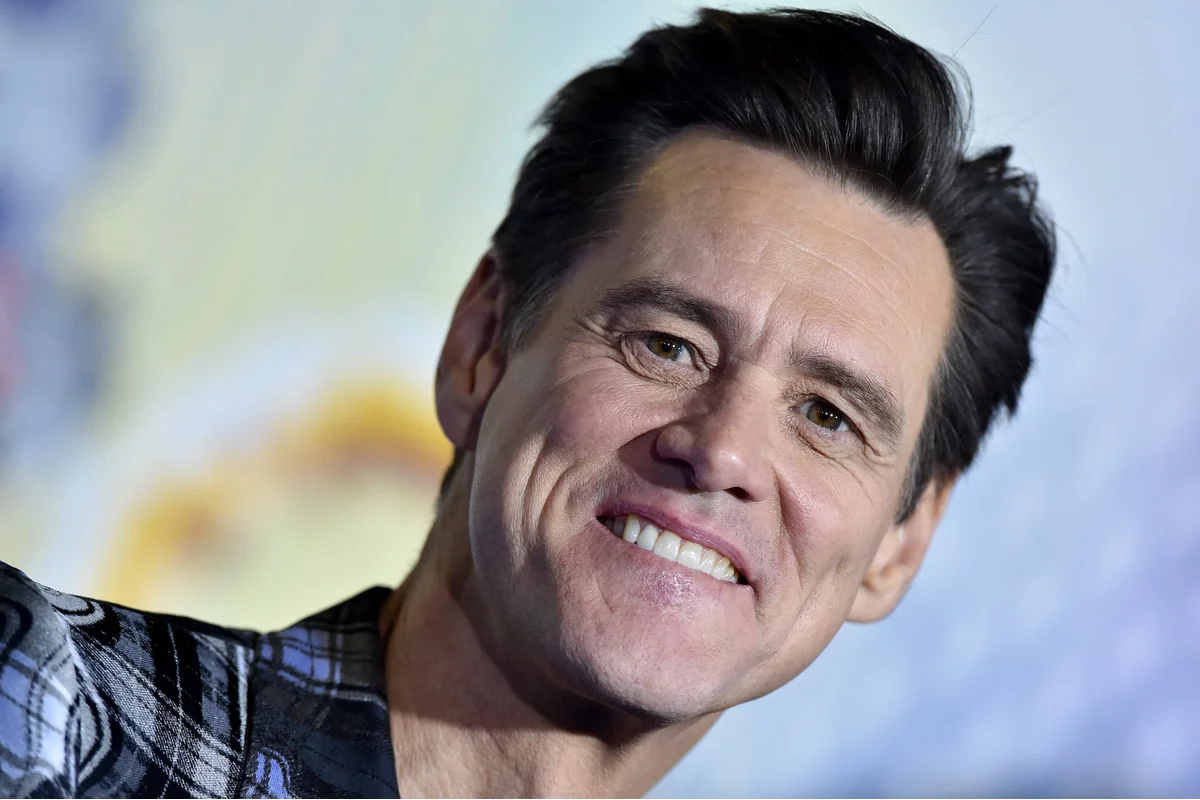
Image of: Jim Carrey
“He’s not only doing this, he’s brought a fucking camera with him, you know? And music. For me, and I’m sure, genuinely sure, Jim Carrey is a lovely and smart person, but it was the most self-aggrandising, selfish, fucking narcissistic, bollocks I’ve ever seen. And the idea that anything in our culture would celebrate that or support it is deranged. I mean, literally deranged?”
Martin Freeman, Actor
Freeman elaborated on the notion that Carrey’s claim to “become the character” misses the point of professional acting, emphasizing the importance of staying connected to reality during filming. He explained,
“‘I became the character’, no, you didn’t. You’re not supposed to become the fucking character. Because you’re supposed to be open to stuff that happens in real life, you know, because somehow at some point, someone’s gonna say cut. And it’s no good going, what does cut mean? Because I’m Napoleon. It’s like, shut up, man. You know, you need to keep grounded, I think, in reality, and that’s not to say that you don’t lose yourself for the time between action and cut, but I think the rest of it is absolute pretentious nonsense.”
Martin Freeman, Actor
The argument that Carrey’s method acting reflected a loss of reality, not artistic dedication
Freeman went further by suggesting that Carrey’s commitment to staying in character bordered on a loss of touch with reality, rather than an admirable artistic sacrifice. He implied that Carrey’s behavior was so extreme it should be treated seriously and professionally, not glamorized by the entertainment industry.
In his final remarks on the matter, Freeman stated,
“I think it’s highly amateurish. It’s essentially an amateurish notion. Because it’s not perfected, you know what I mean? Like, it’s not, for me, it’s not a professional attitude, you know, get the job done, man, fucking do your work, you know?”
Martin Freeman, Actor
This blunt assessment challenges the widely held reverence for method acting, particularly in how Carrey’s role preparation was publicly celebrated instead of critiqued.
What this critique means for the culture of method acting
Martin Freeman’s comments shine a harsh light on the often glorified practice of Jim Carrey method acting, especially when it crosses into behavior that disrupts the working environment. His observations raise questions about the balance between artistic immersion and professional respect on set, suggesting that losing oneself in a role should not come at the expense of basic human interaction or realism.
As conversations about acting techniques evolve, Freeman’s perspective might inspire actors and filmmakers to reconsider how method acting is applied and perceived, possibly encouraging more grounded approaches that honor both craft and collaboration. The intense discussion sparked by this critique underlines ongoing tensions within the film industry about the limits actors should observe when pursuing authenticity.