
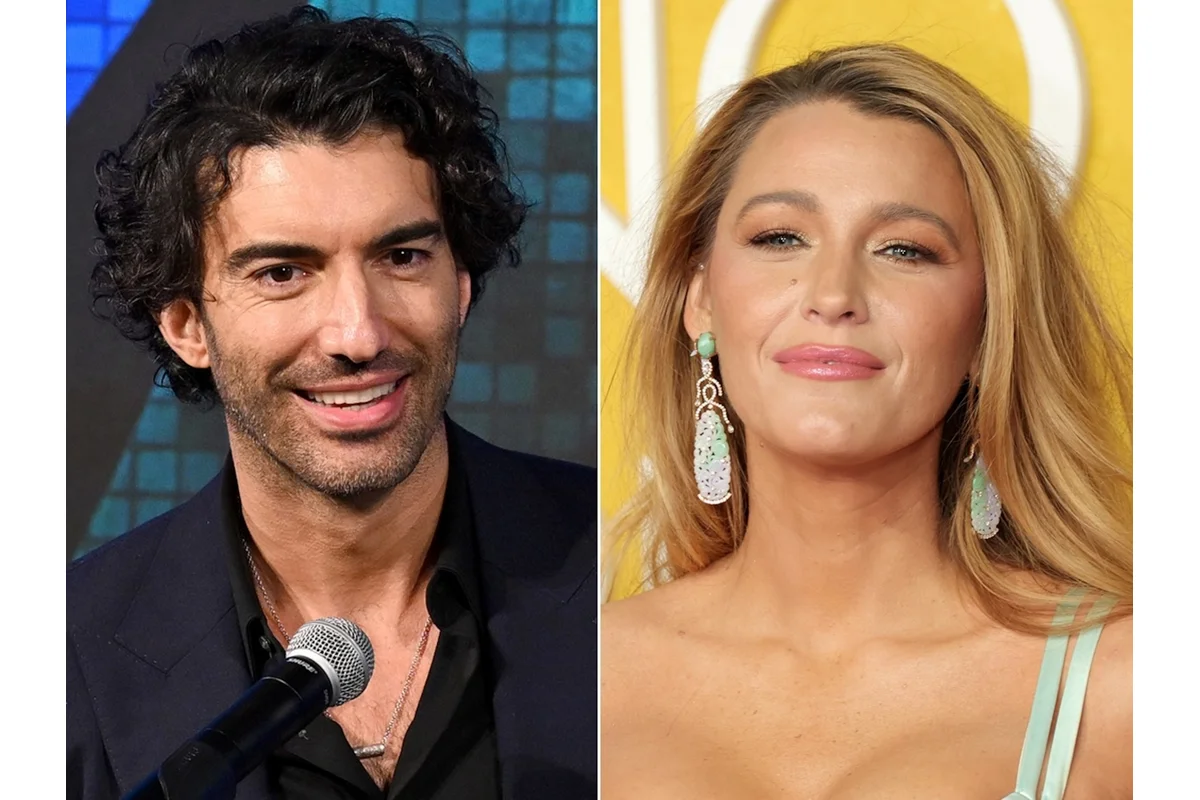
Ben Affleck has not responded to a now-viral email sent by Blake Lively in May 2024, amid her ongoing conflict involving Justin Baldoni. The email surfaced this week as part of court documents linked to Lively’s lawsuit against Baldoni, the director and co-star of It Ends With Us, and appears to have gone unanswered.
The message was included in a large set of communications released recently in the case. Although no reply from Affleck has been publicly revealed, some documents remain sealed, leaving room for uncertainty. Still, many infer that Affleck chose to disregard Lively’s appeal for assistance.
Lively’s Plea for Support in Difficult Film Production
The email, addressed simply as
“Ben, It’s Blake. Don’t hang up,”
begins with Lively complimenting Affleck before presenting a “zero-pressure” request for feedback. She writes about enduring
“the most upsetting experience I’ve ever had on a movie,”
describing the challenges she faced while working on the film.
Lively details her struggle with having to rewrite and restructure the entire script under trying circumstances. She expresses frustration with the chaos caused by Baldoni, whom she labels a “chaotic clown” acting as director, actor, producer, financier, and studio head. Instead of being able to take the director’s chair herself, she was left to “troubleshoot” problems caused by Baldoni’s “taste, ego and preexisting decisions.”
She also addresses unresolved human resources issues with the line,
“And that’s not even touching on any of the wild HR issues and beyond,”
highlighting the complicated environment on set. Lively then asks if Affleck would be willing to watch her cut of the film and share his honest thoughts.
Requests for Additional Feedback and Supporting Allies
Further in the email, Lively extends the invitation to Affleck’s then-wife, Jennifer Lopez, saying,
“it would be an honor to have her take”
a look. She mentions that her own husband, Ryan Reynolds, reached out to Affleck’s close friend Matt Damon, who was likely to view the movie that weekend, showing an effort to involve trusted colleagues for feedback.
Lively ends the message with a touch of dry humor and a subtle appeal, stating,
“If you’re still reading this, whoa. You’re not nearly as busy as you think. Or you’re a very nice person.”
The tone conveys both urgency and disappointment, reflecting the tension underlying her professional struggles.
Legal Battle Growing Amid Leaked Communications
Since the release, the email has gone viral online alongside other communications involving high-profile figures. Another email sent to Damon has also leaked, as have several text exchanges with Taylor Swift, who is reportedly slated to be called as a hostile witness by Baldoni’s legal team.
Lively’s lawsuit filed in December 2024 accuses Baldoni of sexual harassment during the production of It Ends With Us, in addition to alleging a retaliatory smear campaign. Baldoni denies all allegations. In retaliation, he filed a dismissed $400 million countersuit accusing Lively of defamation and claiming she wrested control from him on the film.
The case is scheduled for trial in New York this May, signaling that these public wounds and behind-the-scenes conflicts could soon be resolved in court.
Implications for Industry Dynamics and Public Perception
The emergence of these emails underscores ongoing challenges in Hollywood related to power dynamics and workplace conduct, especially amid heightened scrutiny of safety and respect on film sets. Lively’s viral email serves as a lens into the frustrations artists face when dealing with difficult collaborators and navigating complex productions.
Ben Affleck’s decision not to respond, whether by choice or circumstance, may influence public opinion given his stature and connections within the industry. Meanwhile, the legal confrontation between Lively and Baldoni continues to draw attention, likely affecting both their careers and raising broader questions about accountability in filmmaking.
As the trial approaches, additional disclosures from sealed documents and testimony may shed further light on the situation, potentially impacting future industry practices related to harassment claims and creative control.
