
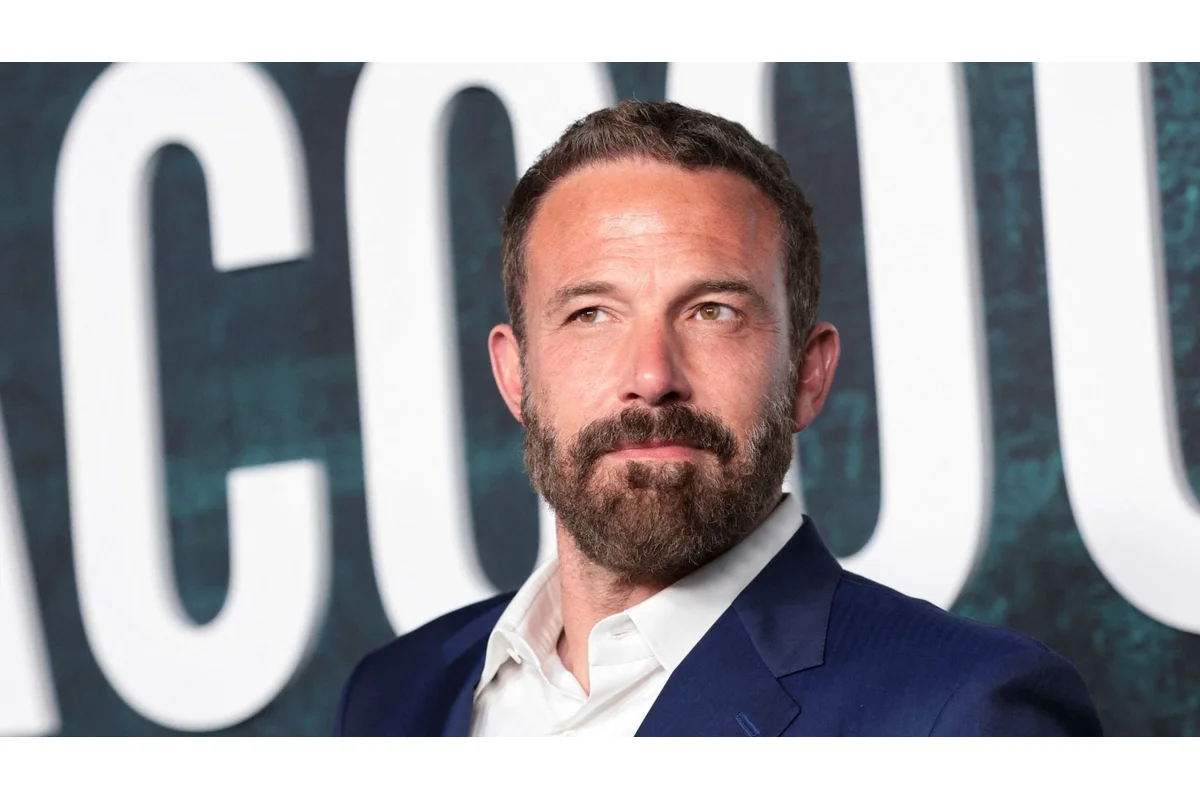
Ben Affleck displays his fluency in Spanish in the new crime thriller The Rip, highlighting a lesser-known skill he developed while living in Mexico as a teenager. This project, featuring Affleck both as a star and producer, allows him to showcase the Spanish he learned at 13, blending it naturally into his character’s investigations in Miami’s drug underworld. The actor’s use of Spanish is a central element in the film, providing authenticity and a fresh nuance to his role.
Language Skills as a Distinctive Feature in Hollywood
In the competitive landscape of Hollywood, many actors use foreign language fluency to distinguish themselves, often choosing French. Actors such as Bradley Cooper, Holt McCallany, and Timothée Chalamet have all demonstrated their French abilities during media appearances to set themselves apart. However, Affleck’s choice to speak Spanish stems more from genuine experience and personal history than as a career gimmick. Unlike others who may learn a language to broaden their appeal, Affleck’s Spanish reflects an enduring commitment dating back to his childhood acting days in Mexico.
Plot and Character Details in The Rip
Directed by Joe Carnahan, The Rip stars Ben Affleck and Matt Damon as Miami narcotics officers Detective Sergeant J.D. Byrne and Lieutenant Dane Dumars. The story unfolds around the discovery of $20 million hidden in a cartel stash house. Affleck’s character initially appears as a stereotypical corrupt cop, smoking indoors and wearing gold chains and gun holsters, but his motivations deepen when he investigates the murder of his partner and lover, Jackie Velez, portrayed by Lina Esco. Throughout the film, J.D. frequently communicates in Spanish with Latino colleagues and cartel members, reflecting his immersion in the cases he handles.
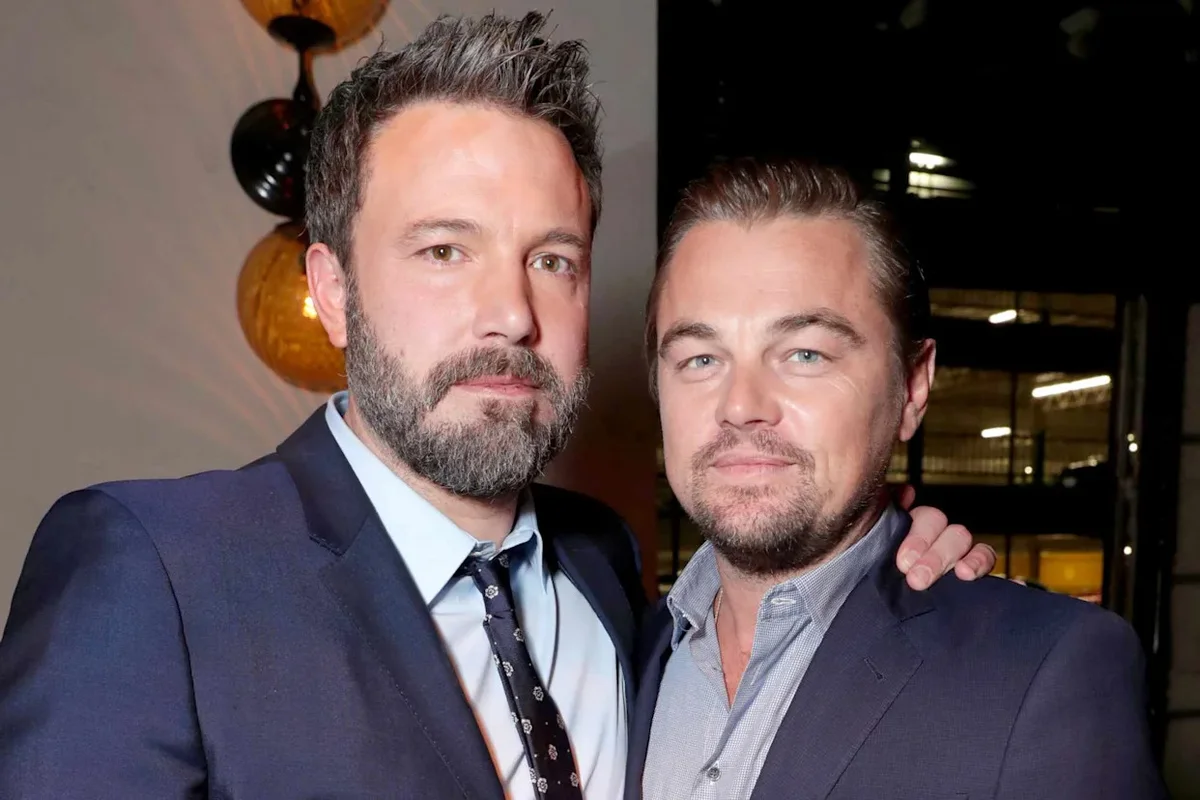
The Role of Spanish in the Film’s Narrative
Within the story, J.D.’s bilingual ability is essential for his work on cases involving Mexican and Colombian drug cartels. The film emphasizes J.D.’s fluency by showing how he switches effortlessly between English and Spanish, often taking the lead in interactions with Spanish-speaking characters. For example, he calms Detective Lolo Salazar, played by Catalina Sandino Moreno, by speaking to her in Spanish when she complains about the job’s pay. J.D.’s quick Spanish conversations allow him to outmaneuver cartel lookouts, and a crucial video call scene with a cartel boss is conducted mostly in Spanish, lending tension and authenticity to the exchange.
Authenticity and Reception of Affleck’s Spanish
While native speakers might debate the accuracy of Affleck’s pronunciation, there is a clear sincerity in his delivery. His enthusiasm suggests personal enjoyment in using the language, with moments as simple as saying, “Okay, claro!” feeling natural and genuine. Though the script uses harsh language multiple times in an effort to shock viewers early on, Affleck’s Spanish fluency remains a standout element, distinguishing his performance amid conventional action thriller tropes.
Significance of Language in Affleck’s Career and Film Industry Trends
Ben Affleck’s display of Spanish skills offers a glimpse into his diverse talents beyond the typical Hollywood leading man roles. Having already achieved major feats like directing an Oscar-winning film and playing iconic characters such as Batman, Affleck’s turn to bilingual dialogue in The Rip adds depth to his portfolio and reflects growing trends in entertainment. As streaming services expand global reach, actors able to perform in multiple languages can connect with broader audiences, enhancing storytelling realism and cultural representation.
The film’s setting in Miami, a city shaped by Latin American culture and networks, further grounds the narrative in authenticity. Additionally, Affleck’s interactions with actors like Lina Esco and Catalina Sandino Moreno strengthen the film’s commitment to portraying complex law enforcement dynamics paired with cross-cultural communication.
Looking forward, this fluent use of Spanish by Affleck may inspire more Hollywood productions to embrace multilingual characters and stories, increasing diversity and expanding market appeal worldwide.
