
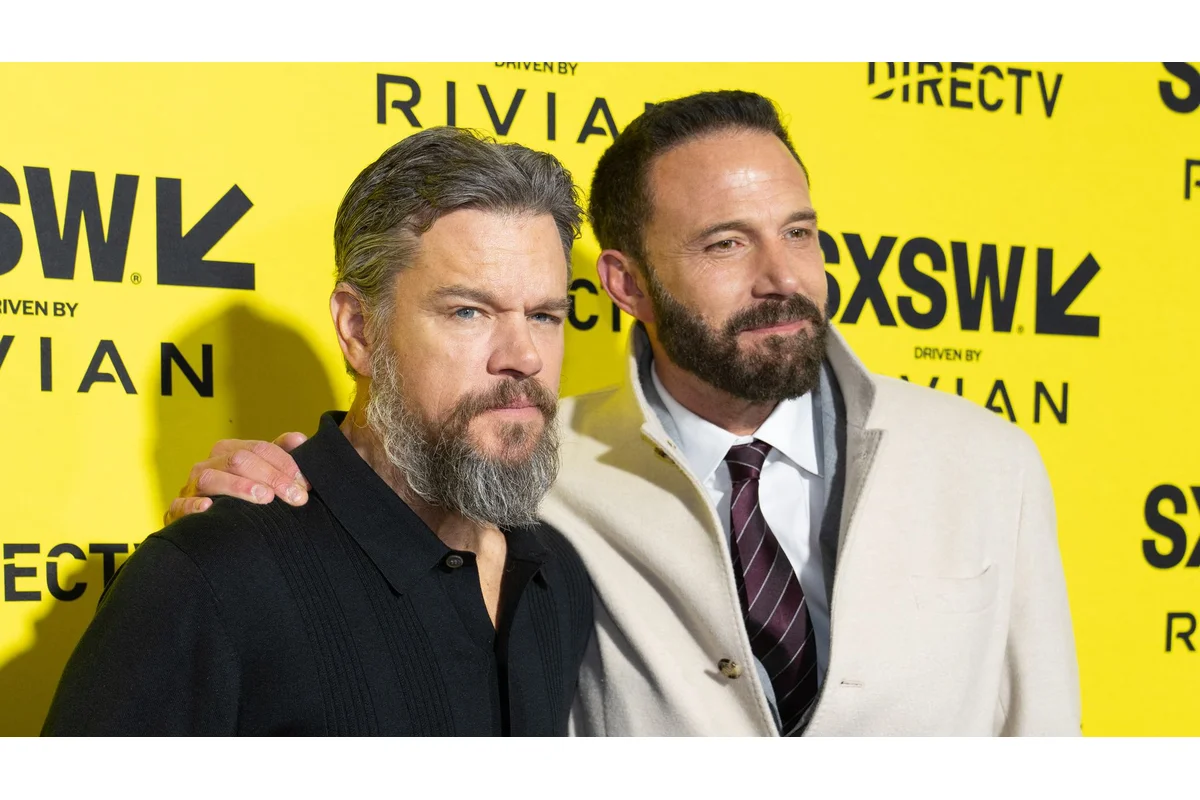
Director Joe Carnahan’s film The Rip showcases his signature blend of gritty, practical action and intense character dynamics, starring Academy Award winners Ben Affleck and Matt Damon. Set in Miami, the thriller follows two financially strained police officers as they discover millions of hidden cash, unraveling a suspenseful story of trust, paranoia, and survival that Carnahan describes as more horror than thriller.
The story centers on Lieutenant Dane Dumars (Matt Damon) and Detective Sergeant J.D. Byrne (Ben Affleck), members of a struggling Miami police force, who stumble upon stashed millions in a house. According to Carnahan, the money acts as a haunting presence that threatens to destroy the group from within, symbolizing the film’s chief antagonist.
The Writing Process and Story Development
Carnahan, along with screenwriter Mike McGale, spent several months refining the script’s tone and structure before finalizing the dialogue within five weeks. This preparation ensured every narrative beat and cinematic cue was carefully designed to build tension.
“Oh, we just cranked it out in five weeks.”
– Joe Carnahan, Writer-Director
His aim was to create an intimate experience beneath the broader premise of a $20 million stash house. Carnahan focused on deeply human moments, such as a scene with Catalina Moreno’s character pondering how a small amount of money could change her life and that of her children. These personal touches ground the film emotionally, heightening audience investment in the characters’ fates.
“This would make my life so much easier to live.”
– Joe Carnahan, Writer-Director
Visual Style: Noir, Horror, and Cinematic Atmosphere
The director and his cinematographer Juanmi Azpiroz crafted a visually striking world combining film noir aesthetics and horror elements. Miami’s nocturnal shadows and fog create an oppressive mood, matching the thriller’s tense storyline. Carnahan describes the film as a haunted house narrative where the “ghost” is the money itself, the ultimate villain driving the conflict.
For Carnahan and Azpiroz, specificity was key. Every cinematic choice, from camera movement to color grading, was deliberate. Carnahan rejected generic filming methods in favor of a focused, artistic approach that mirrors the story’s unsettling themes. An example includes a scene where Affleck’s character moves in and out of focus to represent confusion and uncertainty, visually communicating his mental state.
“All right, let’s just roll two cameras and we’re going to do this thing.”
– Joe Carnahan, Writer-Director
Building Suspense Through Editing and Horror Elements
The suspense in The Rip evolved through the editing process, where legendary editors William Goldenberg and Christopher Rouse contributed insights that shaped key scenes. A particularly chilling moment involves Detective Mike (Steven Yeun) witnessing neighborhood lights turning on sequentially at night, creating a palpable atmosphere of dread. The decision to extend this sequence was a response to editorial feedback maximizing its terror impact.
Carnahan emphasizes the differences between the script, the footage shot, and the final edited product. He admits that some scenes that work on paper or during filming may need to be trimmed or reshaped during post-production for pacing and clarity, a process requiring tough decisions and sacrifices.
Maintaining tension from the opening moment when Damon’s character first notices the group around the money was crucial to sustaining audience engagement, with continuous care to balance revealing just enough information without spoiling suspense.
Intense Confrontation in the Film’s Central Rig Sequence
The film’s climactic twenty-minute set piece unfolds almost like a black box play featuring four main actors in a confined, shadowy environment. Carnahan highlights the complexity of shooting this segment, where the tension is palpable and the audience remains unsure if the characters are threatened by internal rivalries or external forces.
Visual motifs deepen the storytelling: red is associated with Jackie, green symbolizes the money, and blue light often highlights Steve Yeun’s character, representing his moral stance as a noble cop. The green light intensifies throughout the sequence, becoming almost surreal—a metaphor for the destructive allure and fantasy of wealth.
“Oh, wait a minute. I didn’t realize, oh, shit.”
– Joe Carnahan, Writer-Director
This sequence acts as the film’s lynchpin, gradually revealing the fragile “house of cards” structure of alliances before everything collapses in violent chaos.
Executing Action in Confined Spaces with Practical Effects
The production team constructed an oversized rig on stage for the intense action scenes, carefully designed to give the illusion of narrowness while accommodating camera work and stunt safety. Carnahan committed to using practical effects whenever possible, including firing full-load blanks on set to capture authentic muzzle flashes and light reactions, rather than relying on CGI effects.
This approach lends realism and immediacy to the gunfights, enhancing the visceral impact without compromising safety protocols or authenticity.
Balancing Chaos and Clarity in Cinematography and Blocking
Carnahan approaches every scene with a clear thesis, ensuring each shot serves a narrative purpose beyond its surface action. For example, when Damon and Affleck’s characters enter a small den, the choice to film one actor on a steady rig and the other handheld reflects their differing psychological states, visually echoing their dynamic without distracting viewers.
Even complex action sequences maintain clarity amid their frenetic energy, with specialized camera equipment adapted to imitate the disorienting sensations of violent encounters—such as the use of a stabilized camera head destabilized to simulate sonic vibrations during a garage shootout.
Ben Affleck’s Dual Perspective Enhances His Performance
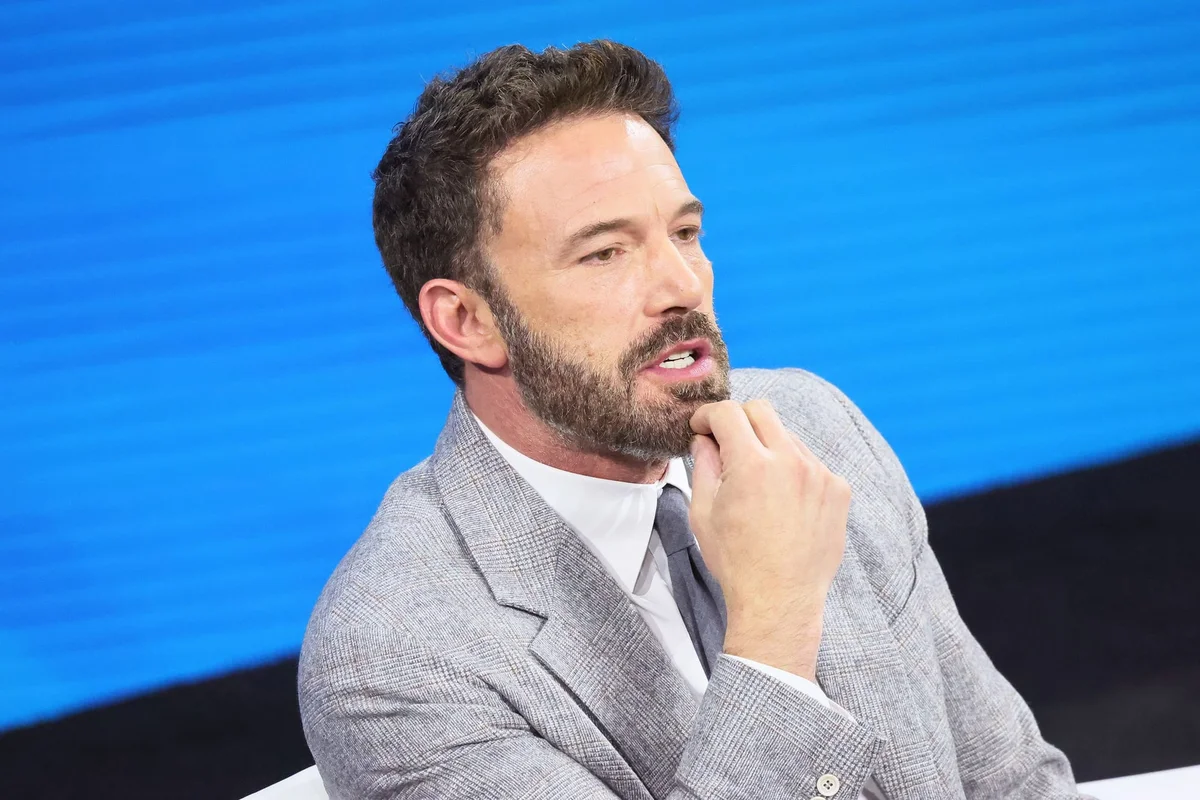
Having worked with Affleck previously, Carnahan notes that directing has deepened Affleck’s understanding of acting. Affleck’s comprehensive experience allows him to anticipate a director’s needs and collaborate effectively, smoothing the filming process.
“I need the actor to do this. I need the actor to do that. This is how I need him to behave in this scene.”
– Joe Carnahan, Writer-Director
Carnahan contrasts this positive working relationship with previous experiences where uncooperative actors hindered collaboration, emphasizing the importance of mutual trust and creating a safe creative environment on set. He advises young directors to foster this security by assuring actors that mistakes are the director’s responsibility, not theirs.
Immersive Preparation Enhances Authentic Police Portrayals
Both Matt Damon and Ben Affleck engaged deeply with real Miami narcotics and homicide officers, spending time observing and interacting with them to develop authenticity. Carnahan describes how during the FBI briefing scene, the actors were sent to spend additional time with real cops in character while cameras filmed their improvised interactions, enriching their performances with genuine mannerisms and attitudes.
“Let us get in front of these guys in Miami, let me talk to these guys.”
– Joe Carnahan, Writer-Director
This hands-on method grounded their portrayals, translating into a believable atmosphere that resonates throughout the film.
The Rip’s Global Release and Continuing Impact
The Rip is now available for streaming worldwide on Netflix, adding to the director’s repertoire of tense, character-driven thrillers. Its unique blend of noir and horror elements, coupled with claustrophobic action scenes and strong performances from Affleck and Damon, positions the film as a notable entry in crime thriller cinema.
The film’s exploration of human desperation amid greed and betrayal raises questions about trust and morality, with the haunting presence of illicit wealth driving its characters to the brink. Its success might influence future collaborations between Carnahan and high-profile actor-writers, and encourages filmmakers to prioritize atmosphere, character depth, and practical effects over CGI.
