
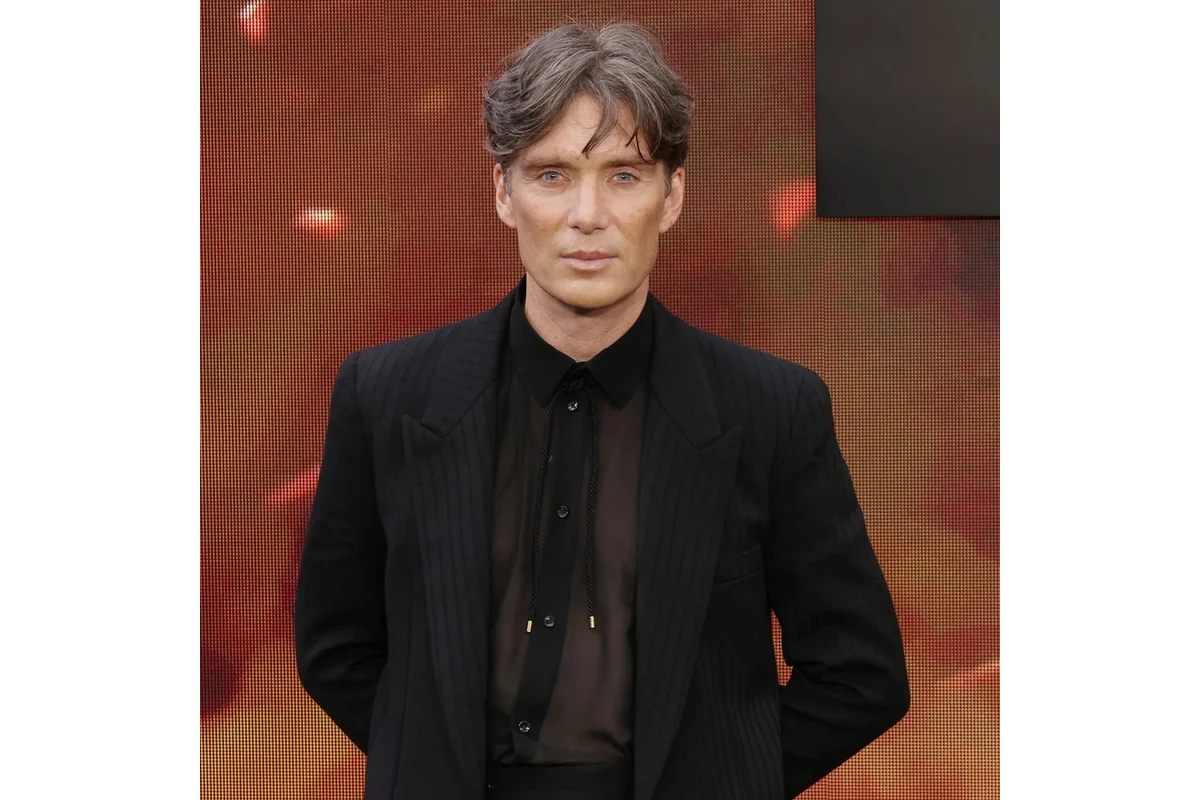
In Andrew Niccol’s 2011 science fiction film In Time, Cillian Murphy emerges as a compelling presence despite the movie’s overall critical and commercial struggles. Set in a dystopian future where time literally functions as currency, the film flopped due to its uneven script and flawed plot, yet Murphy’s portrayal of Raymond Leon, a relentless Timekeeper cop, shines through the flaws. The film, released over a decade ago, remains a fascinating example of a high-concept premise undermined by execution, with Murphy’s performance anchoring much of its emotional weight.
A Dystopian World Where Time Is Literal Currency
In Time imagines a world where people stop aging at 25, and a glowing clock on their arm counts down their remaining lifespan, starting with one year. Once the clock hits zero, death is instantaneous and unavoidable, literally stopping time as a currency. This idea drives the film’s premise, where every activity—buying coffee, riding a bus, or paying rent—costs a portion of the remaining time on a person’s clock, symbolizing a brutal economic system that ties survival directly to lifespan.
Within this world, society is segmented into rigid “Time Zones,” each functioning like gated communities starkly divided by wealth. The ghetto called Dayton is chaotic and fast-paced; residents there rush everywhere, desperate to earn more time just to keep living. Acclaimed cinematographer Roger Deakins emphasizes the oppressive environment with visuals that evoke a worn-down industrial decay. People may wake up with only hours left, forcing them to run relentlessly just to afford another day with their families.

Meanwhile, zones like New Greenwich contrast sharply with cold, sterile aesthetics rendered in hues of blue and white. This is where the wealthy outlive centuries, their endless time breeding a kind of slow, listless existence. Matt Bomer’s Henry Hamilton articulates that the rich
“don’t really live; they just exist,”
revealing a fear of death through accidents as their only peril. The film vividly captures a social hierarchy where the rich preserve immortality at the direct expense of the poor, using economic tactics like price inflation to maintain control.
The concept is striking: the poor are systematically drained of time, imprisoned in a cycle where even basic necessities are leveraged as weapons to keep them powerless and compliant. However, despite this promising setup, the film quickly loses its foothold, as the narrative shifts into an action-heavy heist story featuring Justin Timberlake’s Will Salas and Amanda Seyfried’s Sylvia Weis staging robberies to redistribute time. This turn undermines the economic logic initially established, since flooding oppressed communities with time would only prompt those in power to raise costs further, rendering the stolen time ultimately worthless.
The suspense and philosophical themes of the story give way to thin, cliché chase sequences and implausible escapes, detracting from the film’s initial sharp critique of capitalism. The pacing falters as the story trades depth for bombastic action, while its reliance on time-related puns diminishes the gravity of its social commentary.
Murphy’s Raymond Leon: The Enforcer as the Story’s Emotional Core
Amid this narrative mess, Cillian Murphy’s Raymond Leon remains the film’s most engaging and credible character. Whenever Murphy takes the screen, the tone shifts, lending a noir-like seriousness to the storyline. He embodies a hardened Timekeeper cop caught between two extremes, dressed in a distinctive leather trench coat designed by Colleen Atwood that immediately sets him apart visually as a figure of authority and menace.
On the gritty streets of Dayton, Leon appears as a sharp and dangerous presence, contrasting heavily with the sterile opulence of New Greenwich’s elite halls where he seems out of place. Murphy’s measured acting style—characterized by a controlled stillness and predatory calm—captures the weariness of a man who has lived decades more than his physical age suggests. He portrays a character who is at once resigned and determined, someone who chooses order and control over rebellion, embodying a tragic paradox.
“He upholds a system that he knows is fundamentally flawed,”
Murphy said.
“But this is the only way he can make a living, even though he knows it’s wrong.”
– Cillian Murphy, actor
This self-aware acceptance defines Raymond Leon’s moral ambiguity. He acknowledges the parasitic nature of the wealthy but believes that without strict enforcement by Timekeepers, societal collapse would follow. His rigid adherence to order provides a tragic depth to his role, revealing a man trapped by circumstances and ideology.
One notable scene crystallizes his cold pragmatism: crashing a party in the rich zone to arrest Will Salas, he cuts through the facade with blunt determination, declaring
“I don’t concern myself with justice. I only concern myself with what I can measure.”
– Cillian Murphy, actor
Delivered with a steely gaze, Murphy’s line strips away any pretense of moral righteousness, instead exposing the mechanized, unfeeling nature of the system and its enforcers. His portrayal turns Raymond Leon from a one-dimensional antagonist into a complex figure marked by exhaustion, disillusionment, and bitter resolve.
A Fatal End and the True Message Beneath the Story
As the film races to its conclusion, Murphy’s character becomes the sole tether to reality amidst an increasingly implausible storyline. The relentless Raymond pursues Timberlake and Seyfried’s characters across the dystopian wastelands, ignoring safety protocols and jurisdictional boundaries in his obsession. Driving a sleek electric Dodge Challenger, his single-mindedness starkly contrasts with the film’s otherwise chaotic energy.
In the climactic moment on Dayton’s outskirts, Leon finally corners the fugitives but experiences an unexpected downfall. He looks at his own forearm to find his time running dangerously low—a result of neglecting to replenish his lifespan while chasing criminals. His life expires not at the hands of others but from his failure to manage his own time, an ironic and poignant death that underscores his tragic existence.
This moment encapsulates the deeper truth of the film’s themes: even those who serve a corrupt system are ultimately disposable. Leon’s demise reflects the brutal calculus of the dystopian world, in which loyalty and dedication offer no immunity from exploitation.
While the movie attempts a triumphant resolution, with the protagonists’ efforts to redistribute time appearing revolutionary, Murphy’s character arc conveys a more somber message about compliance and human cost under capitalism. Raymond Leon believed strict adherence to the system’s rules would ensure his survival, but his demise proves that the system’s logic spares no one.
Andrew Niccol’s In Time remains a perplexing film: the innovative core idea is lost amid clichés and uneven storytelling, yet Cillian Murphy’s performance elevates the material, making the movie worth reconsidering for his compelling presence alone.
Main Cast and Their Roles
Justin Timberlake stars as Will Salas, the film’s protagonist who rebels against the dystopian system by robbing time banks. Amanda Seyfried plays Sylvia Weis, a wealthy heiress who becomes his ally. Cillian Murphy assumes the role of Raymond Leon, the morally conflicted Timekeeper officer. Olivia Wilde portrays Rachel Salas, Will’s mother, adding emotional stakes to his journey.
Related semantic context: related coverage · external reference.
