
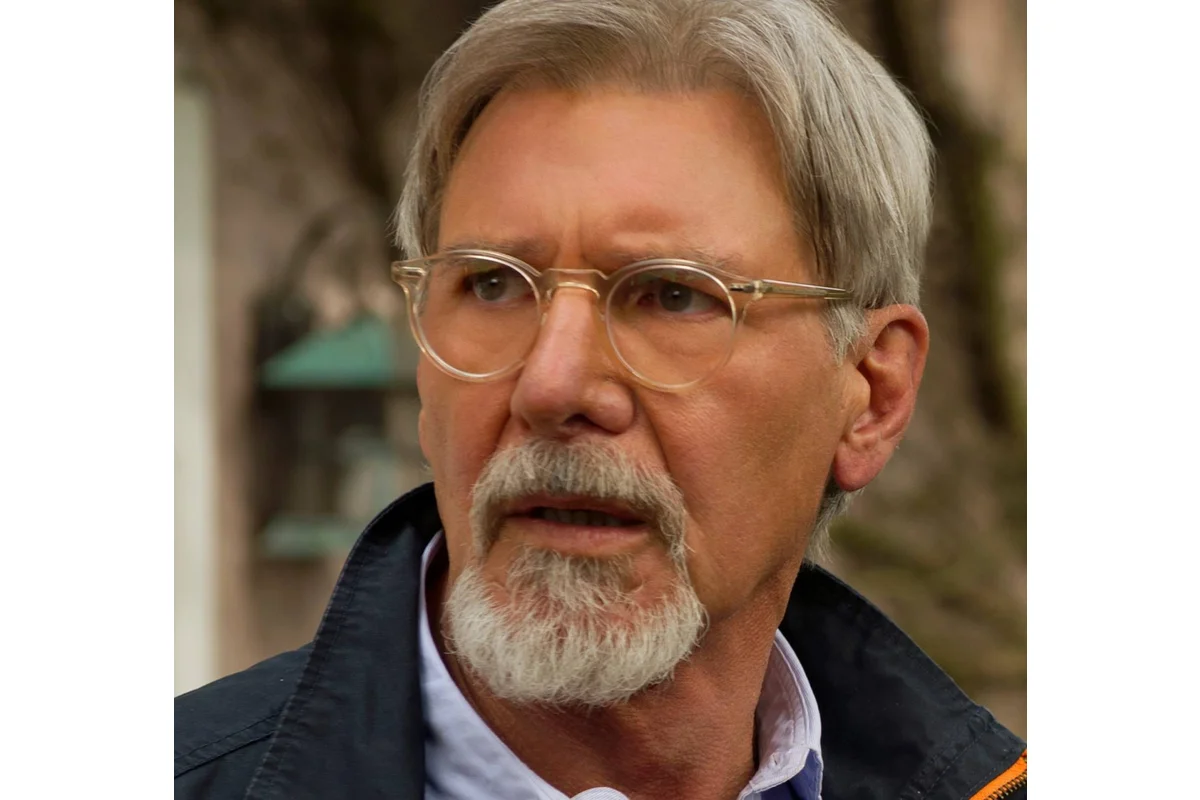
When people think of Harrison Ford, iconic roles such as Han Solo in Star Wars, Indiana Jones, and Rick Deckard in Blade Runner usually dominate the conversation. However, Ford’s filmography includes underrated gems like the 2015 fantasy romance The Age of Adaline, which explores timeless love through the extraordinary life of a woman who stops aging. Despite being overshadowed by his legendary franchises, Ford’s performance in this film remains remarkable more than a decade later.
A Timeless Tale Set Against a Century of Change
The Age of Adaline transports viewers to the early 20th century, beginning with the birth of Adaline Marie Bowman at the stroke of midnight on New Year’s Day, 1908, in San Francisco. As she grows into a striking young woman, Adaline lives a seemingly ordinary life until tragedy strikes in her late twenties. After marrying Clarence James Prescott, her world shatters when Clarence dies in a fatal accident during the Golden Gate Bridge construction. Not long after, Adaline herself suffers a near-fatal car crash that leaves her body submerged in a frozen lake.
At the moment her heart stops, a sudden lightning strike revives her, but it also halts her physical aging permanently. Forever frozen at 29, Adaline watches decades pass by as her daughter ages normally and eventually appears older than her. What initially seems like a miraculous gift soon becomes a source of isolation and peril, as Adaline must constantly move and adopt new identities to evade suspicion and avoid government scrutiny.
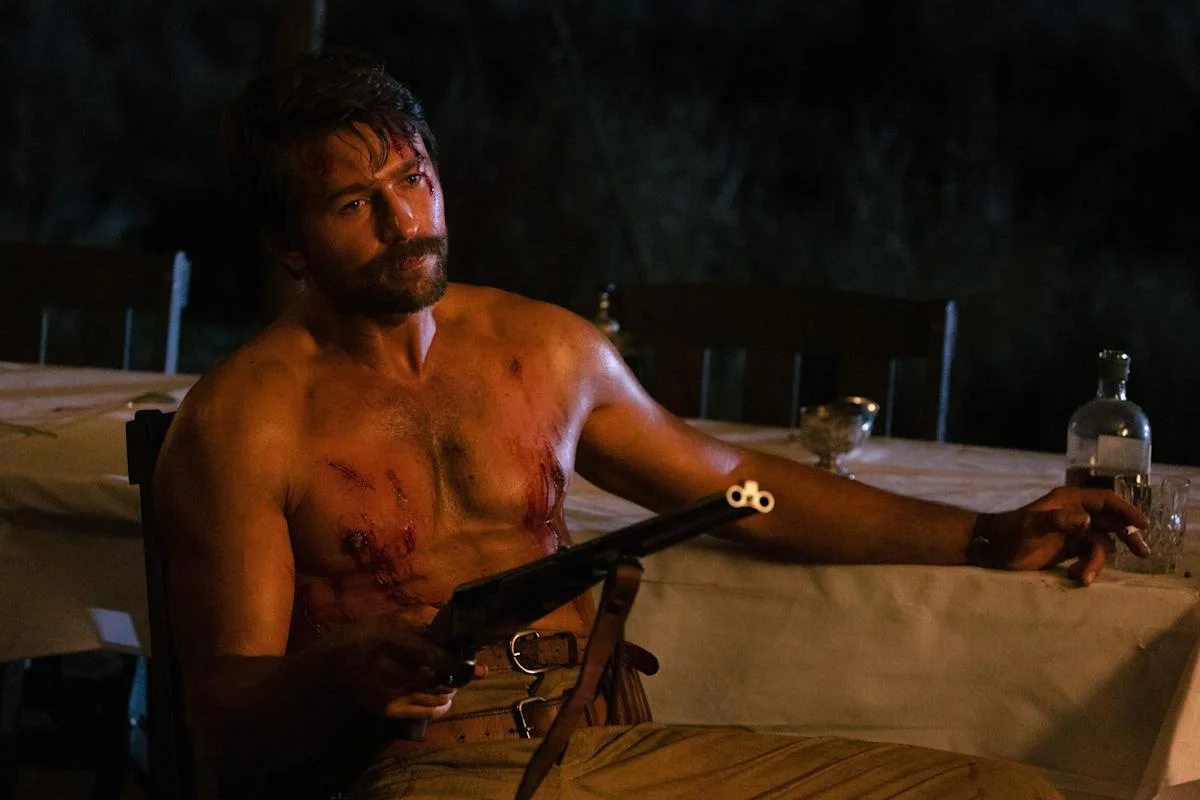
The film captures more than a century of history through richly detailed costumes, sets, and locations, enhancing the mood of each era Adaline traverses. While she endures the loneliness of her ageless life, her longing for connection remains profound. Director Lee Toland Krieger weaves a narrative that balances the fantastical element of time bending with the poignant emotions of lost love and identity.
As the story progresses into modern times, Adaline—now living under the name Jennifer—finds herself pursued by Ellis Jones. Their blossoming relationship forces her to confront the past she has spent a lifetime running from, while unexpected revelations complicate their bond.
Harrison Ford and Blake Lively’s Captivating Performances
Though Blake Lively commands the screen as Adaline, Harrison Ford’s portrayal of William Jones, Ellis’s father, delivers a quietly powerful and unforgettable performance. When Adaline accompanies Ellis to his parents’ 40th wedding anniversary, William is stunned to see a woman who looks exactly like the young love he lost decades ago. A tense, emotional moment unfolds as William calls her by name before anyone explains their connection, stunned by her unchanging appearance.
Ford’s character wrestles with deep conflicting emotions—he is a man with a family and responsibilities yet haunted by the woman who was once the love of his life. Their shared history is heartbreakingly evident when William recognizes a scar on Jennifer’s hand from a hiking trip they once took, intensifying his disbelief and emotional turmoil.
Lively effortlessly portrays the complexity of a character caught between eras, while Ford brings gravitas and vulnerability to a limited but crucial role. Their natural chemistry makes the reunion compelling and painful, highlighting themes of love, regret, and the passage of time. Contrary to the expectation that Ford’s most powerful roles belong to blockbuster franchises, this film reveals the depth of his acting range under the guidance of a thoughtful director.
Marketing Missteps That Hid the Film’s True Depth
Despite its rich narrative and emotional resonance, The Age of Adaline struggled with marketing that simplified the film into a standard romantic drama, focusing heavily on fashion and visual aesthetics. This approach masked the movie’s deeper exploration of themes like immortality, the burden of eternal youth, and the complexity of human connection over time.
The film’s richly textured portrayal of time and aging aligns it more closely with films like David Fincher’s The Curious Case of Benjamin Button than with typical romantic comedies. Like Adaline, Benjamin Button experiences a life out of sync with natural aging, aging backwards and facing unique challenges in love and family life. Both films use visually immersive techniques to recreate moments spanning the twentieth century and poignantly explore the isolation that comes from living outside normal temporal boundaries.
While Fincher’s film received widespread acclaim, Krieger’s The Age of Adaline did not capture equivalent attention, in part due to marketing choices that downplayed its fantasy and dramatic elements. The story’s ambiguous origin of Adaline’s immortality and its contemplative mood offer viewers a thoughtful meditation on time and identity rather than a conventional love story.
Over time, the film has maintained a quiet but lasting appeal, resonating deeply with those who appreciate its unique blend of fantasy and romance. With renewed interest, it stands poised to receive the recognition it deserves as a distinct and affecting entry in Harrison Ford’s diverse career.
Related semantic context: related coverage · external reference.
