
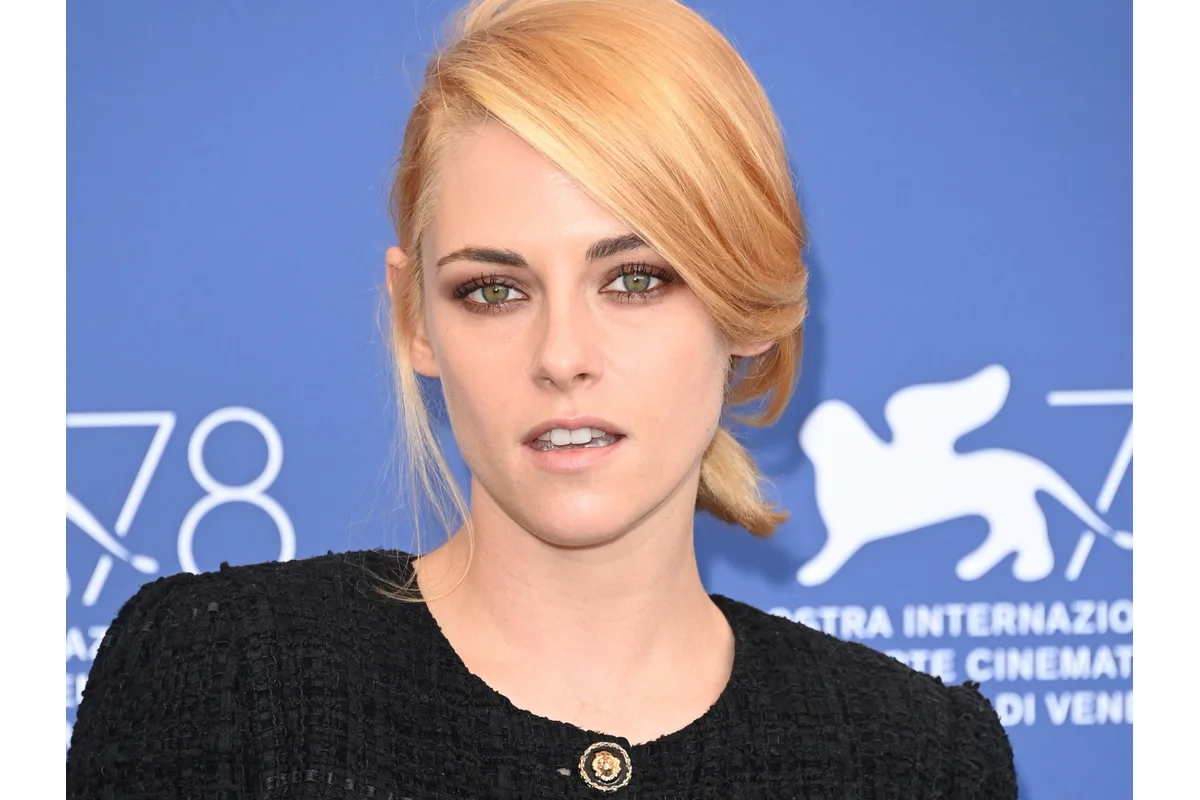
Kristen Stewart is the primary entity for this article, supported by Entertainment topic context.
Related WII context: related keeper article. External authority context: industry context.
On January 25, 2026, Kristen Stewart expressed that she receives more respect in her role as a director than she ever did as an actress. While promoting her debut feature film, The Chronology of Water, Stewart noted that people engage with her as an intelligent individual when discussing directing, unlike the treatment she experienced as a female actor.
Stewart Addresses Challenges Faced by Female Actors
The former Twilight star shared her frustrations, revealing that actresses are often treated poorly and stereotyped. She told The Sunday Times’ Culture magazine,
“Actresses get treated like s***, I’ve got to tell you.”
Stewart contrasted this with her experience as a director, where discussions about her work prompted respect and thoughtful dialogue.
She explained,
“People think anyone could be an actress, but the first time I sat down to talk about my movie as a director, I thought, wow, this is a different experience, they are talking to me like I’m somebody with a brain.”
There’s this idea that directors have otherworldly abilities, which is not true. It’s an idea perpetuated by men. Not to sound like I’m complaining all the time, but it’s worse for female actors than male ones — they get treated like puppets, but they are not.
— Kristen Stewart, Actress and Director
The Story Behind ‘The Chronology of Water’
The film Stewart directed features Imogen Poots as a competitive swimmer coping with the trauma of sexual abuse by her father, affecting both her and her older sister. Stewart believes the personal and sensitive nature of the story is something a male director would unlikely take on. When asked if being a man would have made securing funding easier, she responded,
“If I was a man I wouldn’t have made this movie.”
She added that women’s experiences, including pain and beauty related to birth and physicality, are often marginalized. Stewart said,
“We have to deny our physicality every single day and there is so much — like birth — that is so painful and also quite beautiful, but we don’t share it because it is uncomfortable and icky.”
We’ve been pushed out of the canon in terms of expression. I wanted to speak to a world designed to silence women. We have to push people out of the way to get our experience seen and that p**** people off.
— Kristen Stewart, Actress and Director
Reflecting on Gender Differences in Acting Approaches
The 35-year-old also discussed the lack of female actors who adopt Method acting, attributing it to women not feeling the need to make their craft appear more difficult than it is. She recalled a conversation with a male actor she admires, noting,
“I was talking to a male actor I really love, and I said there are no female Method actors because Method acting is an acrobatic performance to make acting seem like a feat that it is not. I think acting is just playing pretend; you don’t have to do 50 press-ups before a take.”
She described how this comment triggered defensiveness from the man, who claimed,
“he had never met an actress that wasn’t crazy.”
Stewart reflected on her past reactions to such remarks, but concluded that maturity has brought her calm.
Instead I just continued and got to the end of my thought. Getting older is great because you can achieve a calm.
— Kristen Stewart, Actress and Director
Implications for Women in Film and Future Prospects
Kristen Stewart’s transition from actress to director highlights the ongoing gender bias in the entertainment industry, where female actors often face demeaning treatment and misconceptions about their abilities. By directing a film centered on women’s experiences and speaking out about industry inequalities, Stewart challenges the barriers that silence female voices.
Her comments suggest a growing determination among women in film to assert control over their narratives and gain recognition beyond traditional acting roles. This shift could inspire more actresses to explore directing or other behind-the-scenes positions, potentially redefining respect and authority for women in Hollywood.
