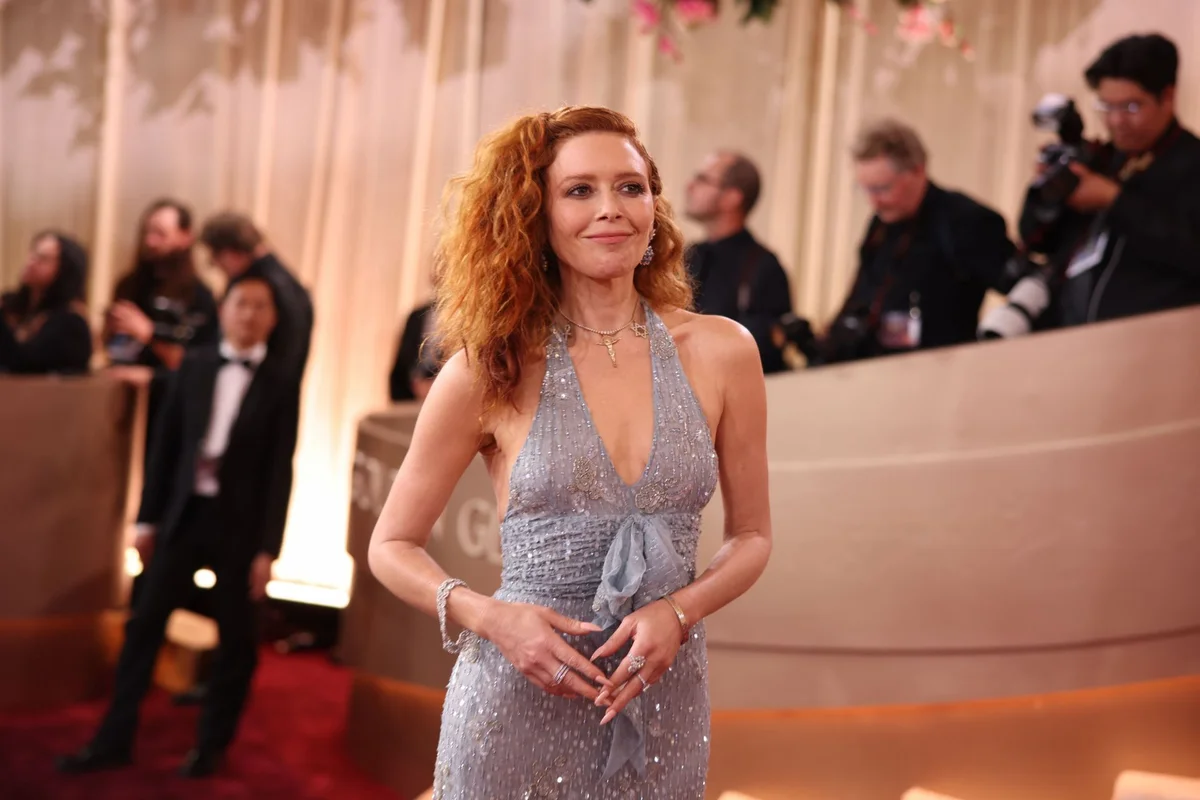
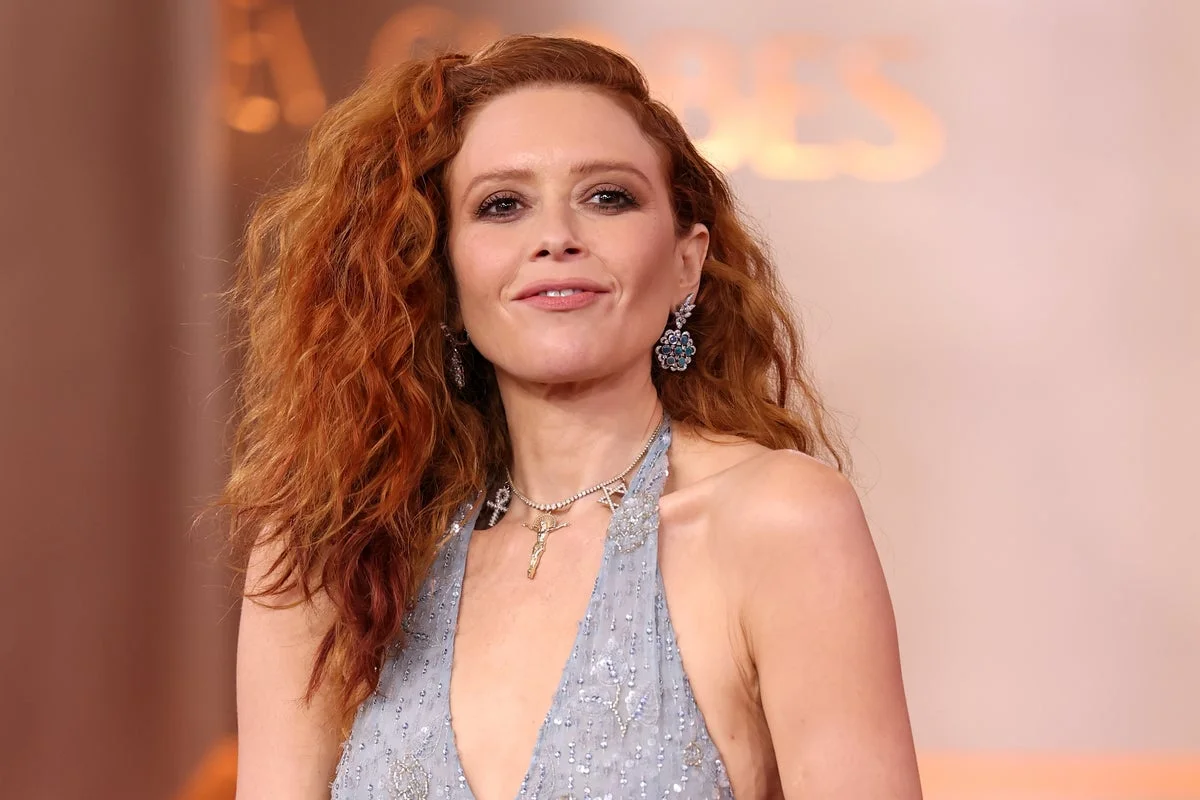
Natasha Lyonne, the acclaimed actress known for her roles in “Orange Is the New Black” and “Russian Doll,” publicly shared on Friday that she has relapsed after almost a decade of sobriety. Using social media, Lyonne openly detailed her experience as part of her ongoing commitment to raise awareness and support others facing addiction challenges.
Natasha Lyonne Opens Up About Her Relapse Journey
On her social platform X, Lyonne announced,
“Took my relapse public. More to come,”
before elaborating hours later on the struggle she is enduring. She reminded her followers of the enduring nature of recovery, stating,
“Recovery is a lifelong process. Anyone out there struggling, remember you’re not alone,”
a message emphasizing solidarity in the fight against addiction. Lyonne also encouraged perseverance and hope, advising others to
“Don’t quit before the miracle. Wallpaper your mind with love.”
The 46-year-old actress has been transparent about her past substance abuse issues, which have been well documented over the years. In the early 2000s, Lyonne’s addiction battles led to several high-profile incidents, including a 2001 drunk driving arrest and treatment with methadone after a hospitalization in 2005. That same year, she faced life-threatening health complications, such as a collapsed lung, heart infection, and hepatitis C, all related to her drug use. This near-death experience contributed to her decision to pursue sobriety.
A History Marked by Struggles and Public Honesty
Lyonne’s public fight with addiction drew significant media attention before she entered rehab in 2006. Reflecting on her past in a 2012 interview with Entertainment Weekly, she candidly admitted,
Image of: Natasha Lyonne
“I was definitely as good as dead, you know? A lot of people don’t come back.”
Despite the severity of her challenges, Lyonne has transformed her difficult journey into a source of connection. In 2019, she remarked,
“In many ways, I’m very grateful I had such a public addiction story,”
and added that
“what is more interesting about it is that I never feel like anybody in that position is a stranger to me.”
In her recent social media remarks, Lyonne has also touched on broader issues affecting those with addiction struggles, calling for systemic change and the end of stigma. She posted,
“We need better systems and to end shame — bill the sacklers & stilettos or something but don’t @ me for getting honest.”
Her candidness reflects a call to action as well as a recognition of how shared experience can aid others:
“No matter how far down the scales we have gone, we will see how our experience may help another,”
she wrote.
Upcoming Projects and Personal Motivations
In addition to managing her personal challenges, Lyonne remains active professionally. She recently revealed in an interview with The Hollywood Reporter that she is directing a film titled Bambo, scheduled to begin filming in summer 2026. Set in the 1980s, the film centers on a Brooklyn-born boxing promoter father who struggles to find success while bringing his young daughter along on a chaotic journey involving
“tax evasion, cocaine, race cars, lost dreams and heartbreak.”
Lyonne mentioned her commitment to the project in her social posts about her relapse, calling it “for baby Bambo.” This new creative endeavor signals ongoing dedication to her craft and personal growth.
Natasha Lyonne’s willingness to share the reality of relapse highlights the complexities of addiction recovery and reinforces the importance of support and honesty. As she continues to navigate her own path, her openness may inspire others to confront their struggles with courage and hope.