

Actress Natasha Lyonne publicly admitted to relapsing after maintaining sobriety for 20 years, shedding light on her ongoing struggle with addiction. Known for her role in Poker Face, Lyonne’s revelation came in a series of posts shared on the social media platform X on a recent Friday.
Lyonne’s Journey Through Addiction and Sobriety
Lyonne first achieved sobriety in 2006 after enrolling at a treatment center to address her heroin addiction. Despite her long period of recovery, she chose to make her recent relapse public, emphasizing the challenging nature of addiction.
In her initial post, she simply stated,
Took my relapse public more to come
, reflecting a brave decision to be transparent about her experience. She followed this with an important reminder that recovery is an ongoing process lasting a lifetime.
Addressing those currently struggling with similar issues, Lyonne offered words of solidarity:
Anyone out there struggling, remember you’re not alone. Grateful for love & smart feet,
Lyonne wrote, underscoring the importance of support and resilience.
Personal Motivation and Commitment Amidst Challenges
Lyonne revealed that her commitment to reclaim her sobriety is driven by her work on a new project titled Baby Bambo, centered on hockey player Sophie ‘Bambo’ Braverman. As the writer and director of this project, Lyonne mentioned,
Stay honest, folks. Sick as our secrets,
encouraging openness and honesty in the face of addiction.
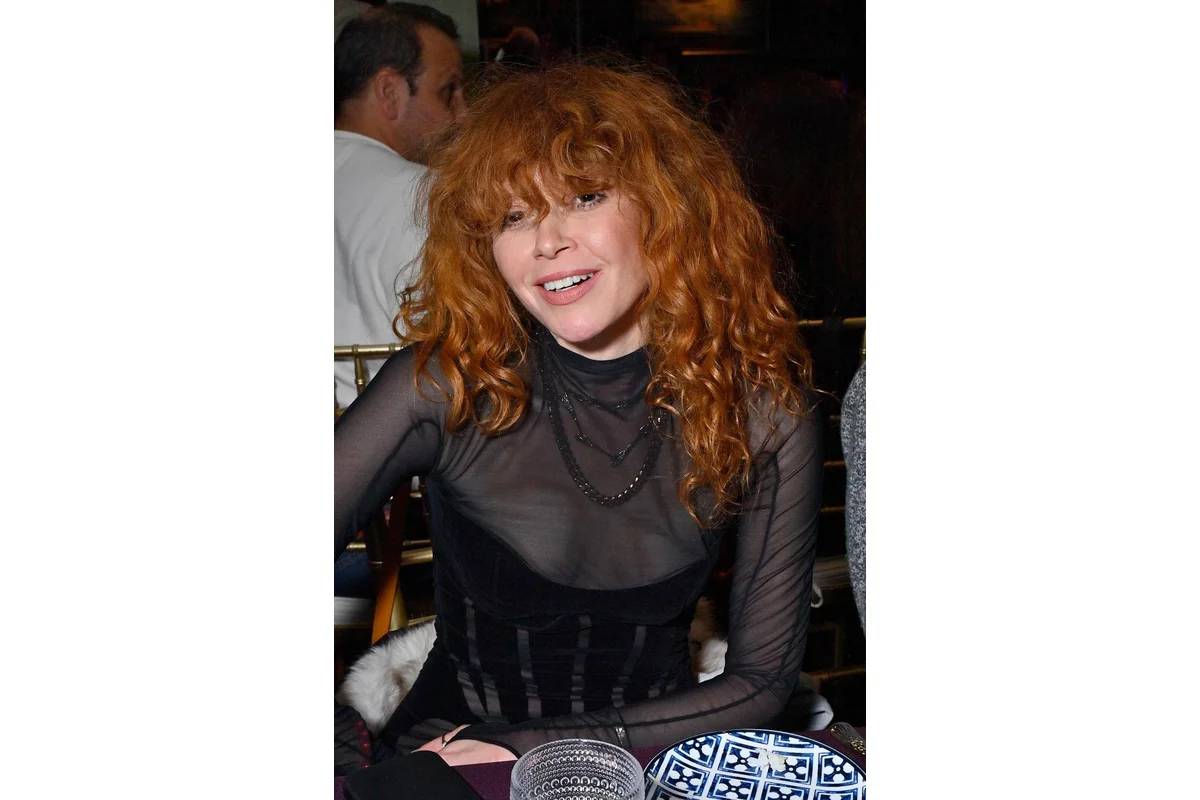
She also expressed encouragement and love in her posts, stating,
If no one told ya today, I love you.
Continuing, she offered hope to those in difficult moments:
No matter how far down the scales we have gone, we will see how our experience may help another.
Lyonne urged perseverance by adding,
Keep going, kiddos. Don’t quit before the miracle.
She concluded her heartfelt messages with an appeal for self-compassion:
Wallpaper your mind with love. Rest is all noise & baloney.
The Need for Compassionate Support Systems
Responding to a follower’s praise for her candidness, Lyonne highlighted a broader social issue by stating,
we need better systems and to end shame
. This underscores the necessity for compassionate frameworks to assist those battling addiction.
Her willingness to speak openly aligns with her previous discussions on addiction. In 2012, Lyonne described her past substance use as frightening, admitting to Entertainment Weekly,
Spiraling into addiction is really, really scary,
and shared the sobering reality that many do not survive such struggles.
At that time, she also confessed uncertainty about returning to her acting career, noting,
not think I was coming back
after going through addiction.
Resurgence in Career and Ongoing Sobriety
Despite doubts, Lyonne made a significant comeback in 2013 with her role as Nicky Nichols, a former heroin addict on the series Orange Is the New Black. This performance brought her critical acclaim and an Emmy nomination, marking a major milestone after her recovery began.
In a 2022 profile by The New Yorker, she reflected on her sobriety, reaffirming she had not used drugs since her rehab in 2006. She expressed the pressure she feels about time lost, stating,
I get panicky I won’t have enough time. I feel like I already blew so much,
conveying the anxieties that persist even through recovery.
Overview of Lyonne’s Career and Contributions
Natasha Lyonne’s career spans over three decades, beginning as a child actor in the 1980s. She rose to prominence through acclaimed indie films like Slums of Beverly Hills and But I’m a Cheerleader in the late 1990s. The early 2000s saw her gain mainstream recognition for comedic roles in the American Pie series, where her distinct voice and sharp humor became trademarks.
More recently, Lyonne has gained respect for her multifaceted talents behind the camera, gaining praise as a writer, director, and lead in productions such as Russian Doll. Her creative work often intersects with her personal experiences, fostering a powerful impact through authentic storytelling.
Resources for Those Facing Substance Use Challenges
Anyone concerned about their own or a loved one’s substance use is encouraged to seek help from professional resources. Confidential advice, support, and counselling are accessible 24/7 through the National Alcohol and Other Drug hotline at 1800 250 015.
Related semantic context: related coverage · external reference.
