
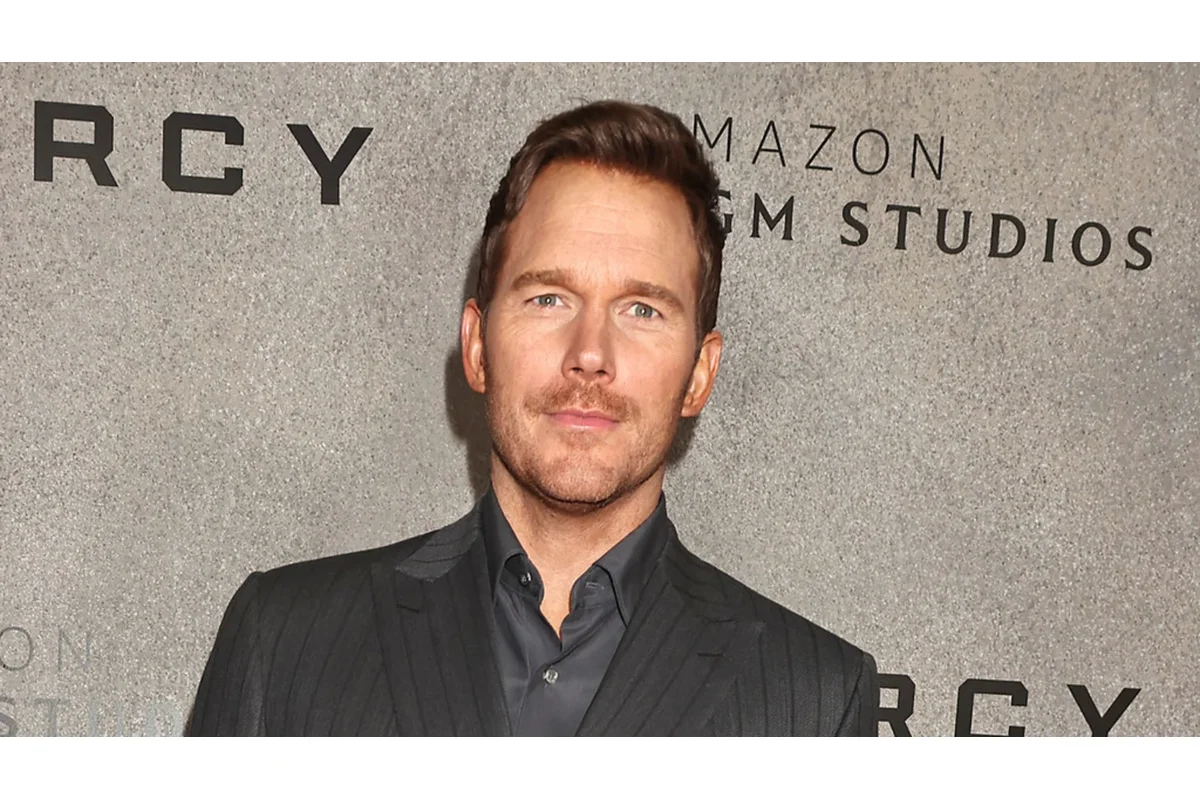
Chris Pratt’s latest film, Mercy, hit theaters worldwide on January 24 but has already faced harsh criticism despite minimal public viewing. The sci-fi thriller aimed to captivate with its mix of technology and suspense, yet many viewers and critics alike have expressed significant disappointment. The film’s failure raises questions about Hollywood’s recurring reliance on predictable story formulas that fail to engage audiences.
Star Power Fails to Rescue the Film’s Weak Plot
Industry insiders seem to believe that featuring big-name actors like Chris Pratt and Rebecca Ferguson will attract viewers, but Mercy exposes the flaw in this assumption. Pratt and Ferguson, both accomplished actors known for their previous successes in blockbuster franchises, could not salvage the film’s fundamental problems. Despite their talent and screen presence, the story’s stagnant setup—largely consisting of characters sitting and analyzing data—fails to maintain interest over nearly two hours.
Studio executives appear to hope that combining well-known actors with a high-budget production will offset narrative shortcomings, but Mercy’s experience proves otherwise. The lead characters never leave their seats for most of the film, relying heavily on digital displays and technology, which makes the viewing experience feel static and unengaging.
Chris Pratt’s Performance Cannot Mask Mercy’s Failings
Chris Pratt’s appeal as an actor who connects deeply with audiences has been established through his roles in hit series like NBC’s Parks and Recreation and massive films such as Guardians of the Galaxy and Jurassic World. His ability to move between streaming hits like The Tomorrow War and The Terminal List has won fan approval, even when critics were less enthusiastic. However, Mercy has earned a mere 20 percent approval rating on Rotten Tomatoes, marking one of the lowest ratings among Pratt’s filmography.
Rebecca Ferguson, known for standout roles in Dune and Mission: Impossible, brings her own established franchise credibility to the film, yet even her presence cannot save the story. The entire film revolves around Pratt’s character, a Los Angeles detective named Chris Raven, attempting to prove his innocence in his wife’s murder using high-tech surveillance and data analysis from his stationary hub, creating an intense but monotonous atmosphere that fails to deliver real suspense.
Mercy Echoes the Failed Formula of Previous Sci-Fi Disasters
Mercy’s premise closely resembles the critical and commercial disaster of the 2025 War of the Worlds adaptation starring Ice Cube. Like Mercy, that film featured a protagonist confined to a single chair, using technology to combat an alien invasion remotely. That film was universally panned, achieving a 0 percent critic score at release and only reaching 4 percent a year later.
Following such an overwhelming rejection of similar high-concept, low-movement storytelling, it is puzzling that the same approach was attempted so soon after. Prime Video and Amazon MGM Studios’ decision to greenlight Mercy with larger budgets and recognizable actors did not translate into success. The cyclical nature of repeating this failed formula underscores a dangerous disconnect between producers’ assumptions and audience expectations.
Casting and Characters in Mercy
The main cast of Mercy features Chris Pratt as Detective Chris Raven, tasked with navigating a complex web of data to clear his name. Rebecca Ferguson plays Judge Maddox, the protagonist’s antagonist, while Annabelle Wallis and Kali Reis also appear in supporting roles. Despite the talent involved, the film’s structure limits the actors’ ability to fully engage and develop their characters beyond a narrow setting.
The Broader Implications of Mercy’s Failure
Mercy’s reception serves as a reminder that relying on star power and expensive visual setups cannot compensate for a lack of dynamic storytelling. The film’s heavy use of stationary scenes and tech-heavy exposition highlights a trend that alienates viewers more than it intrigues them. As Hollywood continues to invest in sci-fi thrillers, Mercy’s failure suggests a strong need to rethink scripts that depend on confined characters and repetitive plot devices.
If studios fail to absorb the lessons from Mercy and similar flops, audiences may grow increasingly resistant to sci-fi films that prioritize style and technology over engaging narratives and character development. The challenge ahead for filmmakers is to craft stories that truly capture both technological imagination and human emotion, breaking free from the “actor-sits-and-watches-footage” mold that Mercy so clearly demonstrates no longer works.
Related semantic context: related coverage · external reference.
