
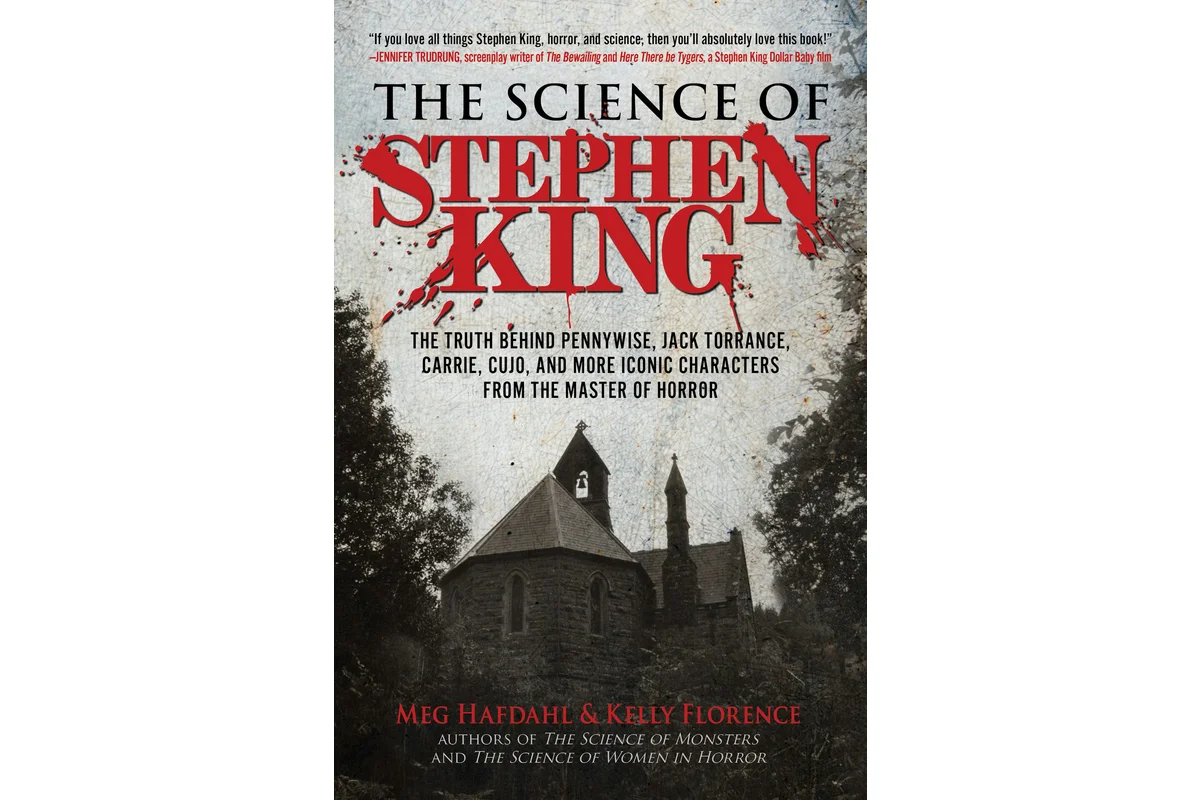
Stephen King is widely recognized as the “King of Horror,” but labeling his work as simply scary overlooks his expansive creativity. His novels offer rich, cinematic material filled with memorable characters, unsettling atmospheres, and narratives designed for film adaptation. Over the years, numerous filmmakers have transformed King’s stories into some of the most lasting cinematic masterpieces, underscoring the potential of Stephen King movie adaptations to captivate audiences.
Films like Stanley Kubrick’s The Shining, though controversial for diverging from the source novel, have cemented themselves in popular culture with countless quotations and homages. Meanwhile, The Shawshank Redemption, adapted from King’s novella Rita Hayworth and Shawshank Redemption, ventures beyond horror to tell a compelling human drama centered on hope and perseverance, consistently ranking among the greatest films ever made.
Despite successes like It and Misery, many of King’s stories remain unfilmed or underexplored, awaiting the chance for cinematic revival. Some have been optioned without materializing, while others have yet to gain any adaptation interest. Presented here are six Stephen King stories that, although not yet transformed into movies, offer exceptional potential for powerful and memorable adaptations.
A Surreal Flight and the Threat of Time in “The Langoliers”
The Langoliers is a haunting science-fiction thriller centered on ten passengers who awaken on a red-eye flight from Los Angeles to Boston to find that the other occupants and crew have vanished mysteriously. Among the survivors are Brian Engle, an off-duty pilot; Dinah Bellman, a blind girl with psychic abilities; and Nick Hopewell, a British intelligence officer. Upon landing in Bangor, Maine, the group faces a world drained of life—where food tastes stale, the air is thin, and sound is muted.
The story’s primary menace is the Langoliers themselves, terrifying creatures that consume the remnants of the past, erasing it completely. Time, rather than a traditional antagonist, looms as the deadly force, challenging the passengers’ understanding of reality in a collapsing world. This premise’s surreal horror and palpable dread would translate exceptionally well into a contemporary thriller, inviting directors to exploit atmospheric tension and modern visual effects.
Although a 1995 miniseries adaptation struggled with outdated CGI and is generally overlooked, a renewed big-screen effort could achieve iconic status comparable to King’s visually stunning work in Mist, using the eerie stillness of the empty airport and the chilling reveal of the Langoliers to build suspense.
Survival and Psychological Battles in “The Girl Who Loved Tom Gordon”
Stephen King’s 1999 novel tracks nine-year-old Trisha McFarland as she becomes hopelessly lost in Maine’s woods after straying off a hiking trail. Armed only with her Walkman tuned to Boston Red Sox games and her admiration for the star pitcher Tom Gordon, Trisha faces hunger, exposure, and overwhelming isolation. The story’s heart lies not just in staying alive but in navigating blurred lines between reality and hallucination.
The novel’s simplicity, lacking a sprawling cast or supernatural monsters, focuses tightly on a child’s raw struggle against nature and fear. Its intimate and emotionally honest tone, combined with relentless suspense, sets the stage for a minimalist yet gripping film. Visually, the contrast between Trisha’s small figure and the vast, indifferent forest would create striking imagery. Additionally, imagined interactions with Tom Gordon could inject moments of warmth and humor.
This novel remains a fan favorite celebrated for its psychological depth. George A. Romero showed interest in adapting the book before his death, with his wife Chris Romero still attached to the project. Most recently, JT Mollner, known for Strange Darling, was announced to write and direct the adaptation slated for 2025, suggesting renewed momentum for this story’s cinematic future.
Coming-of-Age Mystery and Haunting in “Joyland”
Set in 1973, Joyland tells the story of Devin Jones, a college student who takes a summer job at a vintage amusement park in North Carolina to heal from a broken heart. What begins as a simple seasonal position darkens when Devin uncovers the park’s chilling past: a young woman was murdered in the Horror House ride, and her ghost is said to linger there. Devin quickly becomes part of the carnival’s unique world, befriending Annie Ross and her terminally ill son Mike, whose psychic talents connect him to the park’s ominous secrets.
Joyland masterfully blends tender coming-of-age themes with a murder mystery, creating a nostalgic yet unsettling atmosphere. A film could vividly capture the faded allure of a 1970s amusement park through neon lights, weathered rides, and the ghostly shadows haunting the Horror House. The book’s 2014 Edgar Award nomination for Best Paperback Original highlights its critical recognition, and its eerie climax offers potential for an emotionally charged, suspenseful cinematic finale that balances horror with humanity.
The Otherworldly Mystery of “From a Buick 8”
From a Buick 8, published in 2002, revolves around a mysterious Buick Roadmaster kept at a Pennsylvania state police barracks. Discovered abandoned years earlier, the car defies explanation as a portal to another dimension rather than a mere vehicle. Despite never running, its engine emits strange lights, and it has released bizarre creatures while swallowing individuals over time.
The story unfolds through the eyes of Pennsylvania Troop D officers who recount the car’s history to Ned Wilcox, son of a recently deceased trooper. Ned seeks solace from his grief by delving into the Buick’s enigma. The novel’s slow and atmospheric pace highlights the car less as a machine and more as a symbol of humanity’s fragile grasp on the unknown.
Several notable filmmakers including George A. Romero, Tobe Hooper, William Brent Bell, James Wan, and Jim Mickle have been associated with potential film versions, but none have come to fruition. The setting grounds the story in everyday reality while the Buick itself offers remarkable visual opportunities: a car glowing with an otherworldly aura, spawning grotesque entities and serving as a gateway to a terrifying dimension.
Exploring Trauma and Creativity in “Duma Key”
Duma Key is a psychological horror story set along Florida’s Gulf Coast. It follows Edgar Freemantle, a wealthy Minnesota contractor who suffers a devastating accident at a construction site, losing his right arm and enduring cognitive damage, violent mood swings, and a shattered marriage. In search of healing, Edgar relocates to a secluded island called Duma Key, where he unexpectedly develops a talent for painting.
However, Edgar’s art becomes more than therapeutic; it channels supernatural forces linked to the island’s secret past. He befriends Elizabeth Eastlake, an elderly woman also tied to Duma’s mysteries, and realizes his creations can influence reality itself. The novel’s powerful mix of trauma, artistic expression, and the uncanny lends itself well to a film that could play on contrasts between healing and horror, with ample opportunity for vivid visual storytelling. Though less known than some King novels, Duma Key was a bestseller praised for its suspense and depth, fitting for a cinematic adaptation that explores both psychology and mysticism.
The Unseen Battle of “Insomnia”
First published in 1994, Insomnia stands as one of Stephen King’s more ambitious novels. It centers on Ralph Roberts, a widowed septuagenarian in Derry, Maine, whose grief triggers relentless insomnia. As sleep eludes him, Ralph begins to perceive colorful auras around people and encounters strange “little bald doctors” who manipulate life and death. These visions draw Ralph into a cosmic conflict between the Purpose, which strives for order, and the Random, which thrives on chaos.
Meanwhile, race relations escalate when Ralph’s unstable neighbor, Ed Deepneau, becomes dangerously violent. Ralph must intervene to prevent tragedy. Insomnia weaves themes of grief, metaphysical intrigue, and small-town dynamics, linking deeply to King’s Dark Tower universe. A film could expertly balance character-driven drama with surreal supernatural spectacle, showcasing Ralph’s descent into sleepless visions, the glowing auras around townsfolk, and the rising tension of Ed’s instability. Critical scenes like Ralph’s confrontation with Ed and the revelation of the doctors’ true nature promise unforgettable cinematic moments.
Stephen King’s body of work continues to inspire filmmakers, with many stories ripe for renewed adaptation efforts that could expand his legacy in cinema. As these six tales demonstrate, the untapped potential of Stephen King movie adaptations suggests that audiences have many thrilling journeys yet to experience on the big screen.
