
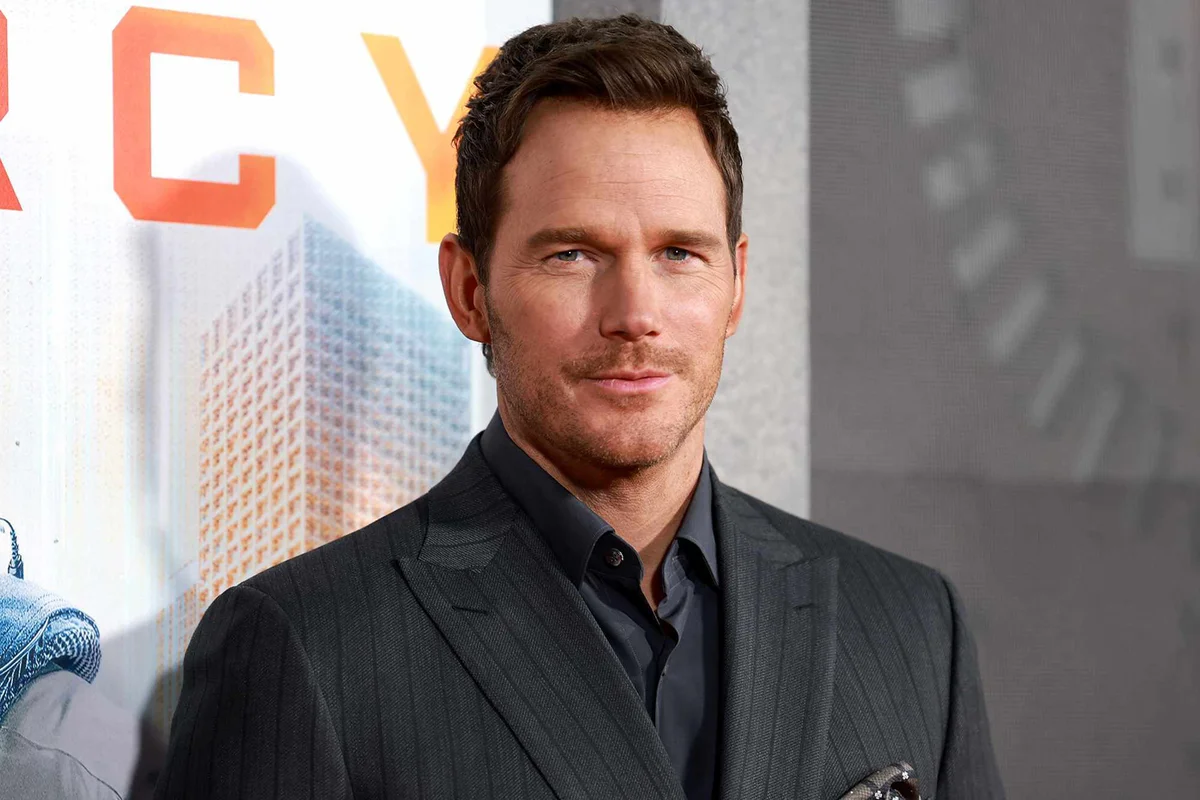
Chris Pratt’s career transformation from a comedic sidekick to a leading Marvel action star highlights the surprising impact of his physical changes and career choices. Pratt shared his journey in a recent interview, revealing how gaining weight during his early roles helped him find a niche and eventually rise to prominence.
How Weight Gain Influenced His Early Comedy Success
During his time on the sitcom Parks and Recreation, Pratt gained between 30 to 40 pounds, which he realized increased his comedic appeal. Reflecting on this, he said,
“I slowly realised the more I morphed into slightly more clownish, fatter, sweatier, I was getting more laughs and that’s when – as I was still trying to navigate my career and pay the bills – I thought, ‘Maybe this is the niche, maybe this is how I get paid, to play this guy,’”
Chris Pratt explained.
Before this breakthrough, Pratt had mostly auditioned for leading roles but ended up playing smaller parts, such as deadbeat boyfriends in films like Bride Wars and Jennifer’s Body, both released in 2009. These roles often cast him as the unlikable character who the audience was meant to dislike.
Struggling to Break Into Leading Roles
Pratt admitted that early in his career, he hoped for bigger opportunities but was frequently limited to minor roles. Regarding this period, he noted,
“Early in my career, that’s what I wanted, but I wasn’t getting access to those types of roles,”
in reference to main character parts.
He added,
“I was really only getting access to smaller roles and if I was in good shape, the role I was auditioning for was ‘boyfriend’ – the guy who in the movie they’re like, ‘Hey man, welcome to the OC’ and then I get kicked in the d*** and the audience are like, ‘Yeah! F*** that guy! I hate him.’ Those were the roles I was getting.”
Unexpected Success with Parks and Recreation
Initially cast as a guest star in Parks and Recreation, Pratt’s character Andy Dwyer was supposed to be phased out quickly. Instead, the producers were impressed with his performance and made him a permanent part of the cast. He embraced the role’s buffoonery, which further endeared him to audiences.
Between seasons of Parks and Recreation, Pratt secured supporting roles in serious films like Bennett Miller’s Moneyball (2011) and Kathryn Bigelow’s Zero Dark Thirty (2012), helping him diversify his portfolio beyond comedic roles.
Reflecting on these roles, he said,
“No one said, ‘What is that dude doing there?’ It felt like it worked, and at that moment, I thought, ‘Maybe now I’ve got a little bit of experience; there’s an avenue to chase this thing.’ So I had more belief in myself after that, probably.”
Recognition as an Underdog Fighter
When his Mercy co-star Rebecca Ferguson challenged his view of himself, saying,
“It’s not like you represent the underdog who made his way to success,”
Pratt eagerly responded, “No, I think I do!” This self-perception of being an underdog striving for recognition has been a motivating force in his career.
Physical Transformation Leads to Blockbuster Roles
One year before Parks and Recreation concluded, Pratt dramatically transformed his physique after landing the role of Peter Star-Lord in James Gunn’s Guardians of the Galaxy. This role launched him into mainstream action stardom, leading to appearances in three Guardians films and two Avengers installments, in addition to headlining Jurassic World in 2015.
This decisive shift from comedic, heavier roles to fit, action-hero parts marked a pivotal moment in Chris Pratt’s career transformation, opening new doors and expanding his presence in Hollywood blockbusters.
The Impact and What Lies Ahead
Chris Pratt’s journey illustrates how unexpected factors like weight gain and persistence in smaller roles can shape an actor’s trajectory. His story of overcoming early typecasting and embracing his underdog status resonates with many striving for breakthrough opportunities. As he continues to headline major films, his transformation serves as an example of adapting to challenges and evolving within the competitive entertainment industry.
Related semantic context: related coverage · external reference.
