
Halle Berry is the primary entity for this article, supported by Entertainment topic context.
Related WII context: related keeper article. External authority context: industry context.
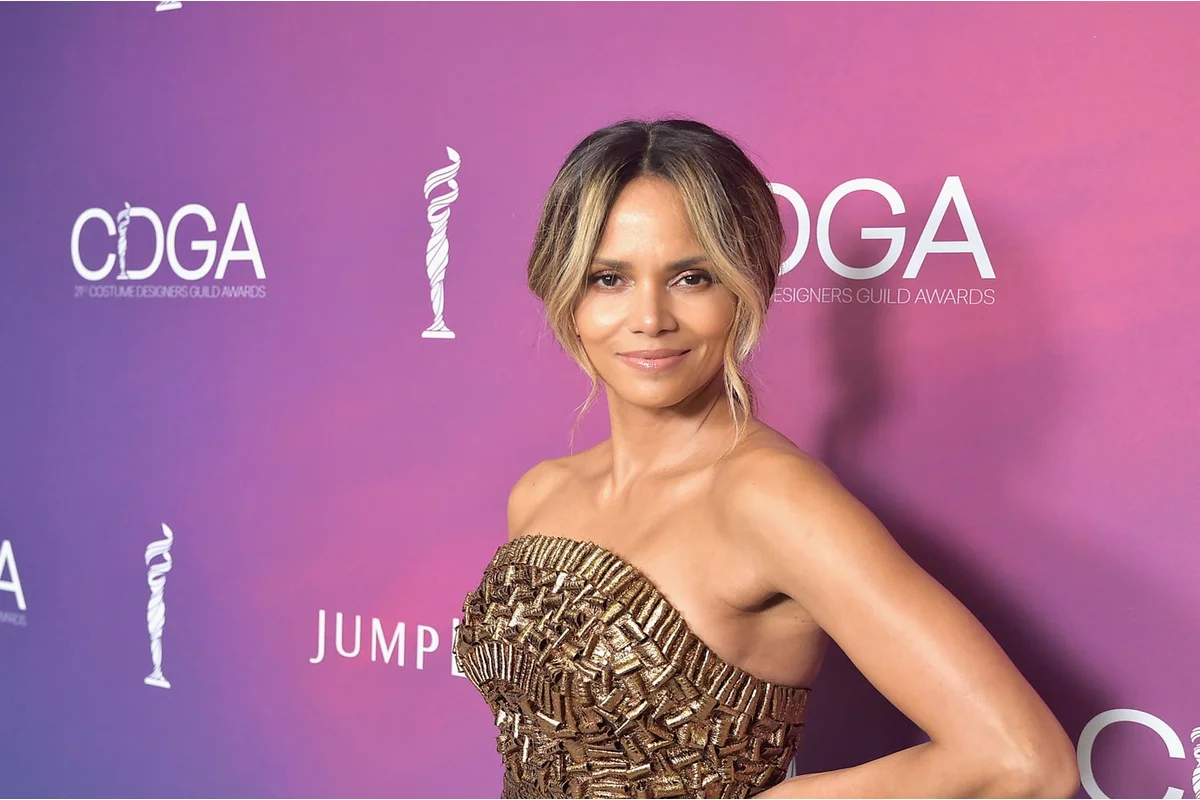
Halle Berry is set to take on the role of the President of the United States in the upcoming film adaptation of “The President Is Missing,” a thriller co-authored by former president Bill Clinton and James Patterson. The announcement marks a significant moment for Berry as she steps into the high-profile part of the leader of the free world in this gender-swapped retelling.
The 59-year-old Oscar winner will also serve as a producer on the film, partnering with Clinton and Patterson to bring the 2018 bestselling novel to the big screen. The project is currently in development at Apple Original Films under Berry’s production company HalleHolly, which she runs with Holly Jeter.
The Storyline and Previous Adaptation Attempts
In the film, Berry’s character, President Joanna Duncan, confronts an unprecedented terrorist threat that endangers the future of the United States. To save her country, she must outsmart her own Secret Service agents and escape the White House. This scenario reflects the intense political and security challenges faced by national leaders, a theme drawn from Clinton’s firsthand experience as a former US president.
Before this film project, the novel was adapted into a planned Showtime TV series featuring David Oyelowo as president. However, the show was halted due to the COVID-19 pandemic, leaving the film adaptation as the primary effort to bring this story to life.
Public Reaction to the Gender-Swapped Casting
Fans and observers had mixed reactions to Berry’s casting in the traditionally male lead role, with many applauding the choice. Comments on social media included, “she has my vote,” and celebratory remarks like “Madame President.” Others recognized the casting as iconic.
However, some critics expressed dissatisfaction, labeling the gender swap as overly “woke,” highlighting a divide in audience expectations regarding adaptation changes.
Bill Clinton’s Influence on the Story
Bill Clinton drew upon his presidency from 1993 to 2001 and his personal experience with political pressures and security concerns in crafting the novel. Along with James Patterson’s storytelling, the book offers a detailed look into the complexities of the presidency, including the often unseen threats that challenge a nation’s leader.
Clinton’s presidential tenure is also marked by historical events such as his impeachment by the House of Representatives in 1998 on charges related to his conduct involving Monica Lewinsky, though he was acquitted by the Senate and served out his term.
Halle Berry’s Expanding Career and Advocacy
Alongside her role as the US president, Berry continues to develop a range of projects across film and television. She will star in “Bad Cop, Bad Cop,” an action comedy produced through HalleHolly in collaboration with Beau Bauman, featuring co-stars Fortune Feimster and Jillian Bell.
Her television work includes the development of “Zero F***s,” a menopause-themed comedy for Peacock, created by writers Liz Kruger and Carolyn Townsend and produced by A+E Studios. Berry will also lead in “The Patient,” a horror drama in production at HBO.
Berry’s Vigorous Political Activism
Recently, Berry made headlines for her outspoken criticism of California Governor Gavin Newsom. During her appearance at the New York Times’ DealBook Summit, she condemned Newsom for vetoing the Menopause Care Equity Act twice, describing his actions as devaluing women.
“Back in my great state of California, my very own governor, Gavin Newsom, has vetoed our menopause bill, not one but two years in a row,” Berry said during her appearance at New York Times’ DealBook Summit. — Halle Berry, Actress and Activist
“But that’s okay, because he’s not going to be governor forever, and the way he has overlooked women, half the population, by devaluing us, he probably should not be our next president either.” — Halle Berry, Actress and Activist
Berry stressed that Newsom’s rejection of the bipartisan bill, which aimed to mandate insurance coverage and medical education focused on menopause, made him unfit for higher office. Newsom has expressed interest in a 2028 presidential run.
The Menopause Care Equity Act proposed requirements for comprehensive healthcare for menopausal women and perimenopausal individuals, including establishing dedicated curricula through the California Medical Board and ongoing physician education.
Berry’s activism stems from her personal health experiences. Having discovered in 2024 that she had been in perimenopause for a decade—misdiagnosed previously as having herpes—she has since championed greater awareness and support for menopausal women.
At a bipartisan event at the U.S. Capitol last year, Berry joined senators advocating for $275 million in funding toward menopause research and education. She emphasized the need to remove stigma surrounding menopause, highlighting doctors’ frequent discomfort discussing it.
“The shame has to be taken out of menopause. We have to talk about this very normal part of our life that happens. Our doctors can’t even say the word to us, let alone walk us through the journey.” — Halle Berry, Actress and Advocate
Implications for Representation and Storytelling in Politics
Berry’s casting as President Joanna Duncan brings heightened attention to issues of gender representation in leadership roles within popular media. The gender swap exemplifies ongoing discussions about empowering women in arenas historically dominated by men and reshaping storytelling to reflect modern values.
This adaptation is poised to impact audiences by combining political intrigue with tense thriller elements while spotlighting current debates on leadership, security, and gender equality. Berry’s dual role as lead actress and producer may influence future portrayals of powerful female figures in entertainment and beyond.
