
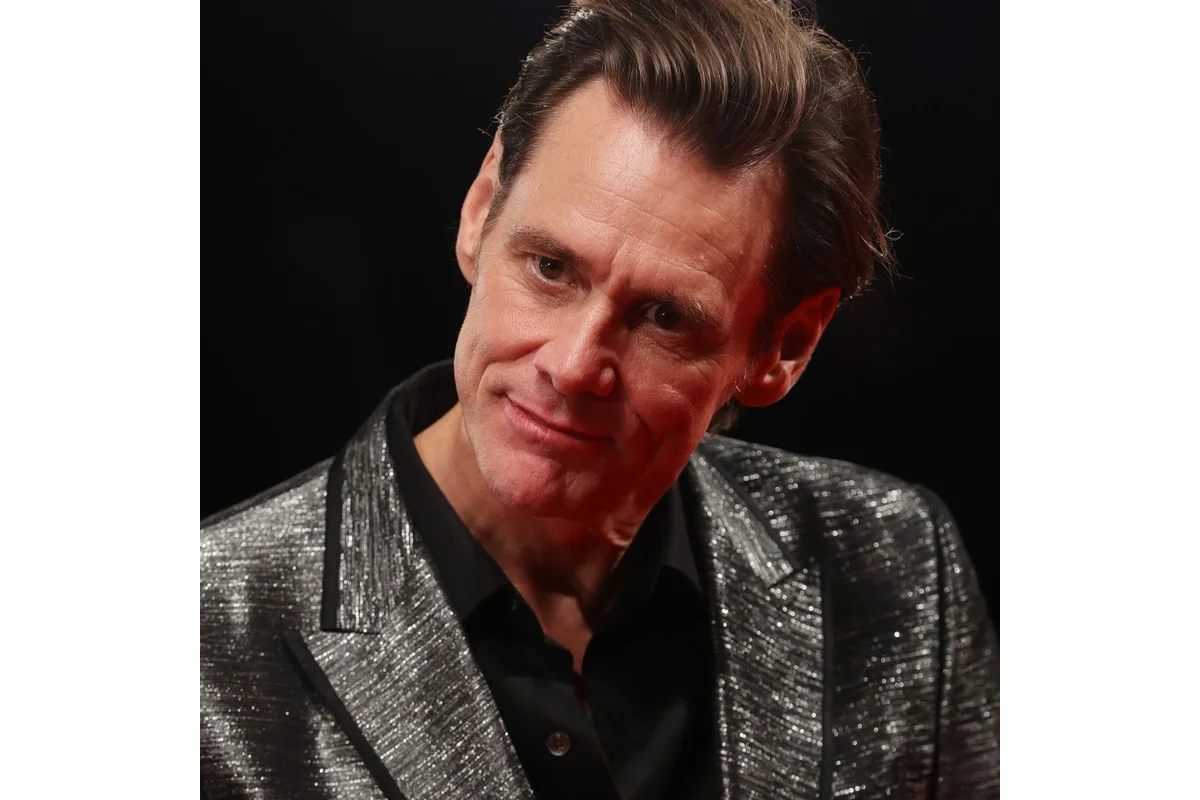
Jim Carrey, known for his booming success in Hollywood comedies, faced a dark moment in his life during the filming of his most critically panned movie. Despite a career marked by energetic and goofy performances, Carrey battled deep personal turmoil, which came to a head in 2015 and influenced his work thereafter.
Although Carrey reached the peak of his fame with multiple hit comedies released within a short time, he has long been open about his darker, more reflective nature. His philosophical musings about existence often contrast sharply with the comedic roles that made him famous. This tension between light and dark facets of his personality colored many of his choices, including his willingness to star in darker, more serious projects.
The Impact of Personal Tragedy on Carrey’s Work
In September 2015, Carrey’s partner Cathriona White died from a prescription drug overdose, a tragedy officially ruled as suicide. The emotional weight of this loss deeply affected Carrey, occurring just before he began shooting for the crime drama Dark Crimes, directed by Alexandros Avranas. Carrey took on the role of a Polish detective investigating a cold case, a markedly serious and somber character that diverged from his usual comedic persona.
The following year, legal battles emerged from White’s family. Her husband, Mark Burton, filed a wrongful death lawsuit against Carrey, accusing him of leveraging his celebrity status to obtain the drugs involved in her overdose. Shortly after, White’s mother filed a similar suit. Although both lawsuits were dismissed, the accusations and public scrutiny intensified Carrey’s personal pain.
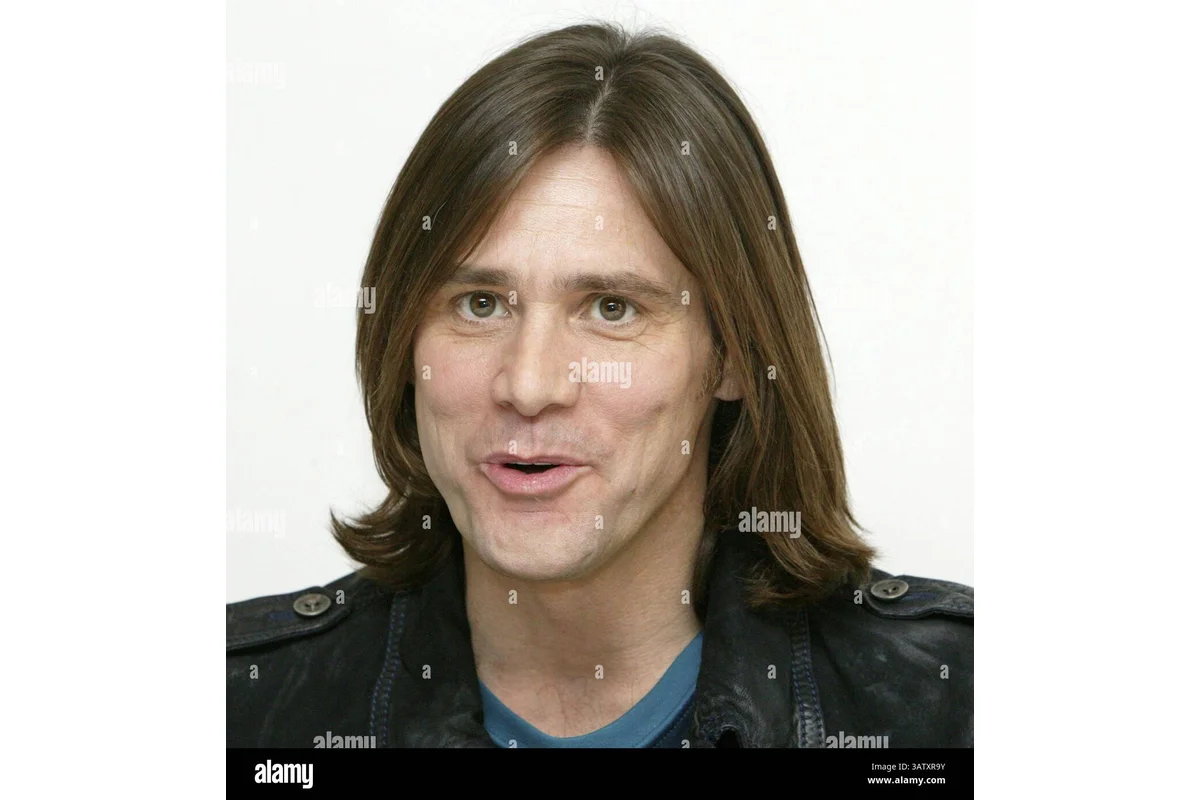
Carrey’s Reflection on Pain and Artistic Depth
In interviews following these events, Carrey expressed how the suffering he endured deepened his understanding of life and art. Speaking to WRAL, he said,
“I’ve had incredible highs and incredible accomplishments happen in my life, and at the same time, I’ve also had incredibly unjust and unfair things happen. Not that anybody cares when they hear that about someone like me. But I have. And those things have made me deeper.”
He further revealed how this experience affected his connection to others and his creative process:
“There’s no one I can’t sit with now, after what I’ve been through, and say, ‘What’s your thing? What’s your pain?’ And what an incredible place to be in as an artist.”
This openness to shared pain suggests how Carrey’s dark moment transformed his approach to performance and human connection.
The Filming and Reception of Dark Crimes
Production for Dark Crimes began just over a month after White’s passing, and Carrey reportedly found some form of emotional release in the project. Describing the experience, he admitted,
“That was a very dark, terribly painful moment in my life. Poland was a rainy place with a lot of crows, man, and it was beautiful.”
Despite Carrey’s personal investment in the film, Dark Crimes was universally panned by critics and audiences alike, failing to find any positive reception. It is considered one of the lowest points in Carrey’s filmography. However, the project’s value seems less about its success and more about Carrey’s need to process grief through his craft, marking a rare deviation in his career trajectory.
The Lasting Significance of Carrey’s Struggles
Jim Carrey’s dark moment surrounding Dark Crimes reflects the often unseen struggles behind a comedian’s public persona. His journey reveals how profound loss and legal entanglements shaped a period of silence in his film work, lasting four years after the movie’s release. Though the film itself failed to impress, Carrey’s willingness to confront pain publicly and artistically highlights his complex relationship with fame, grief, and creativity.
This chapter in Carrey’s life underscores the fragility behind laughter and fame, offering insight into how personal tragedy can impact an artist’s choices and output. Moving forward, Carrey’s story serves as a reminder of the human vulnerabilities that exist beyond the spotlight.

Related semantic context: related coverage · external reference.
