
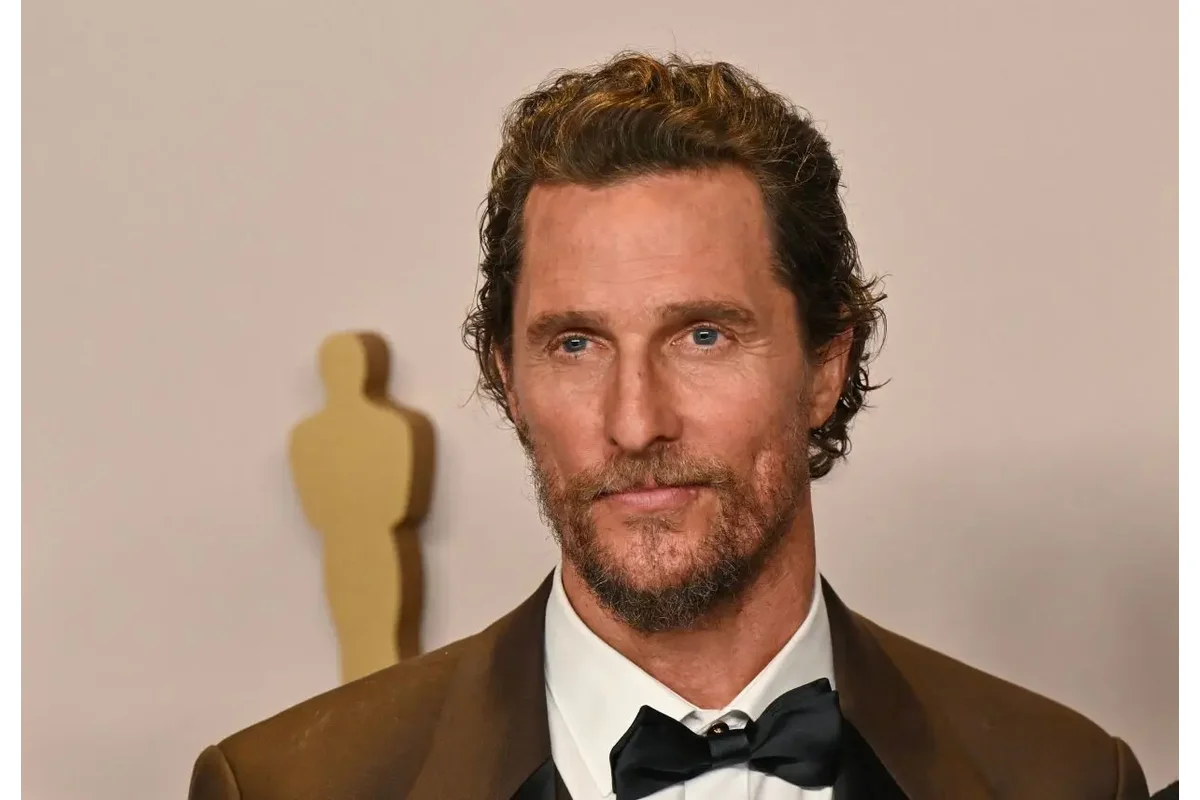
Matthew Mcconaughey is the primary entity for this article, supported by Ai topic context.
Related WII context: related keeper article. External authority context: industry context.
Oscar-winning actor Matthew McConaughey has officially trademarked his image and distinctive voice to prevent their exploitation by artificial intelligence platforms. This move was made public recently as part of an effort to control how his likeness is used amid growing concerns over AI-generated content misusing celebrities’ identities.
According to The Wall Street Journal, McConaughey registered clips featuring his notable vocal expression, including the iconic phrase “alright, alright, alright” from his 1993 film Dazed and Confused, with the United States Patent and Trademark Office. This legal step aims to block illicit replications created without permission through AI technology.
Legal First for an Actor Protecting Identity from AI
Legal representatives for McConaughey described this as a pioneering effort, marking the first instance where trademark law is applied to safeguard an actor’s personal voice and image against potential artificial intelligence misuse. While there have been no reported cases of McConaughey’s voice or likeness being exploited illegally to date, the trademark is a proactive shield against future unauthorized digital recreations.
This decision is part of a broader context where numerous celebrities, such as Scarlett Johansson and Taylor Swift, have fallen victim to fabricated videos, audio recordings, and images produced by AI tools, stirring concern across the entertainment industry regarding privacy and identity rights.
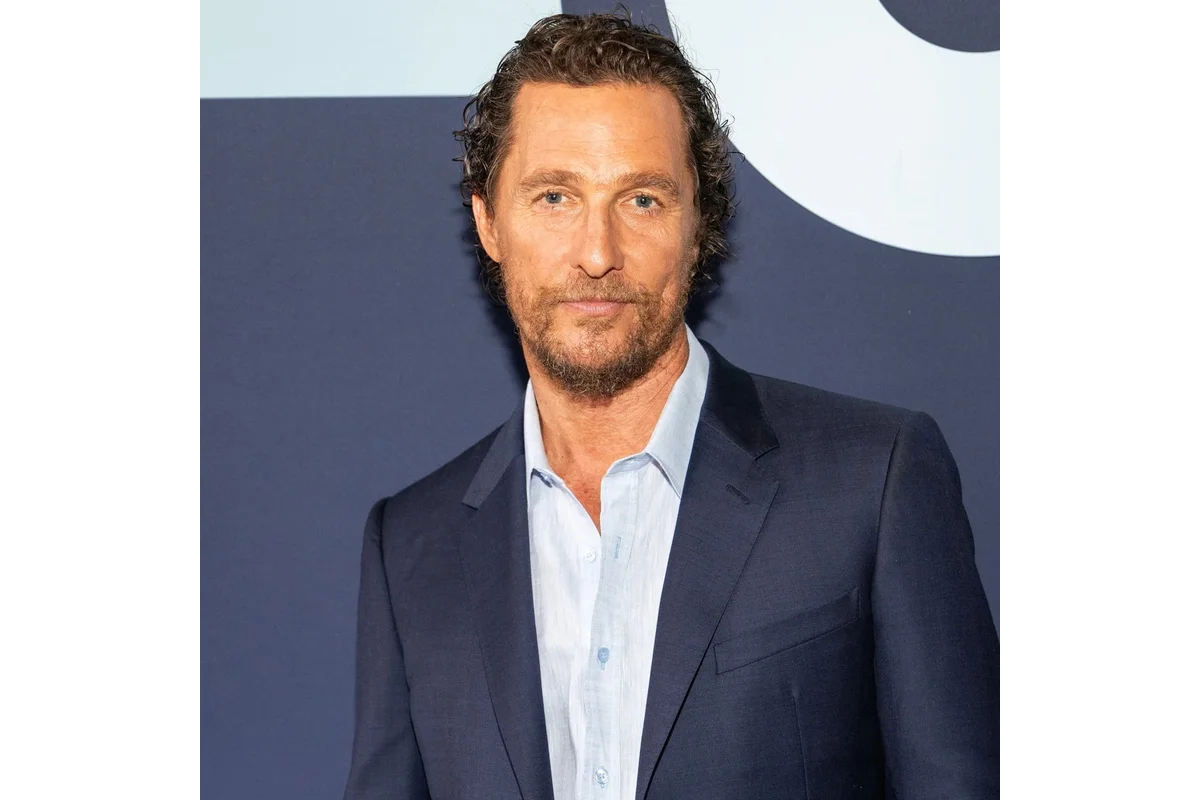
McConaughey’s Nuanced Stance on AI Technology
Despite the defensive trademark, Matthew McConaughey does not oppose generative AI as a technology. He is an investor in ElevenLabs, a company specializing in AI voice synthesis, which has produced an authorized AI-generated version of his voice with his direct consent. This demonstrates his balanced approach to embracing innovation while protecting his personal brand.
McConaughey gained initial recognition with Dazed and Confused and later starred in acclaimed films such as A Time to Kill, Contact, and Interstellar. He earned the Academy Award for Best Actor for his role in Dallas Buyers Club, solidifying his reputation in Hollywood.
Wider Implications for Intellectual Property in the AI Era
This trademark filing highlights growing tensions between technological advancements and the protection of personal intellectual property rights. In an age where AI-generated media can effortlessly mimic voices and faces, celebrities like McConaughey are testing new legal precedents to prevent identity theft and misuse.
The increasing cases of AI-produced deepfakes targeting high-profile figures raise urgent questions about how the law can evolve to address these challenges. McConaughey’s move may inspire other artists and public figures to adopt similar protections to preserve control over their public personas in this rapidly changing landscape.
Potential Impact and Future Developments
By securing trademark protection for his voice and image, Matthew McConaughey sets a benchmark for legal strategies against unauthorized AI recreations. This could lead to increased scrutiny of AI companies and platforms on how they replicate human likenesses, possibly prompting further regulation.
As technology continues to blur the lines between reality and artificial creations, stakeholders including artists, companies, and lawmakers will likely need to collaborate on frameworks that respect intellectual property while fostering innovation.
