
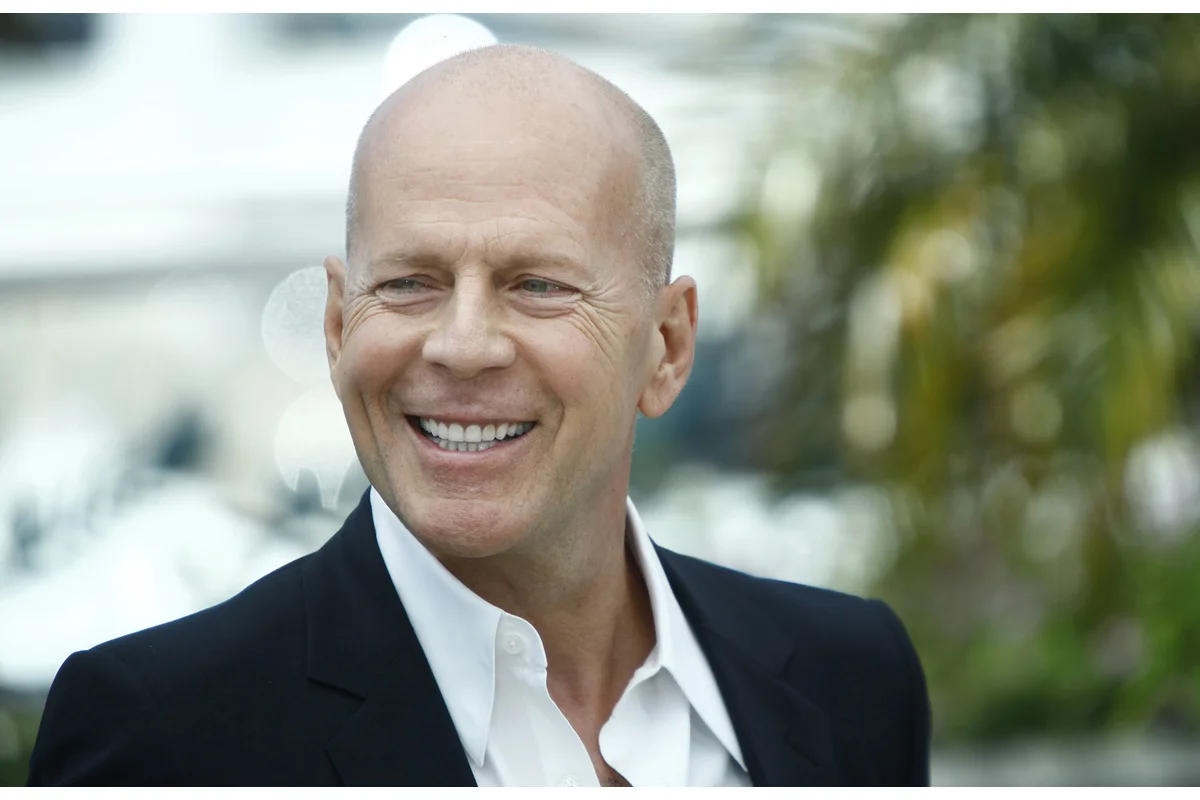
Emma Heming Willis has spoken candidly about the health challenges facing her husband, actor Bruce Willis, revealing that he is unaware he has frontotemporal dementia, often abbreviated as FTD. The disclosure came during a recent podcast episode, shedding light on the complexities of living with this condition.
Understanding Bruce Willis’ Experience with Frontotemporal Dementia
On the podcast Conversations with Cam, hosted by mental health advocate Cameron Rogers, Heming Willis addressed whether individuals diagnosed with FTD recognize their illness. She explained that many, including Bruce Willis, may believe their current state is normal due to a neurological phenomenon called anosognosia.
I think they think this is their normal,
Heming Willis said.
And it’s not for everybody, but … there’s this term, this neurological condition that comes with FTD and other types of dementia as well, called anosognosia, where your brain can’t identify what’s happening to it.
– Emma Heming Willis
She clarified that this condition is often mistaken for denial, but it actually arises because the brain cannot recognize the changes it is undergoing.
So where people think this might be denial, like they don’t want to go to the doctor ’cause they’re like, ‘I’m fine, I’m fine.’ Actually, this is the anosognosia that comes into play. It’s not denial, it’s just that their brain is changing. This is a part of the disease.
– Emma Heming Willis
The Journey of Bruce Willis’ Diagnosis and Its Implications
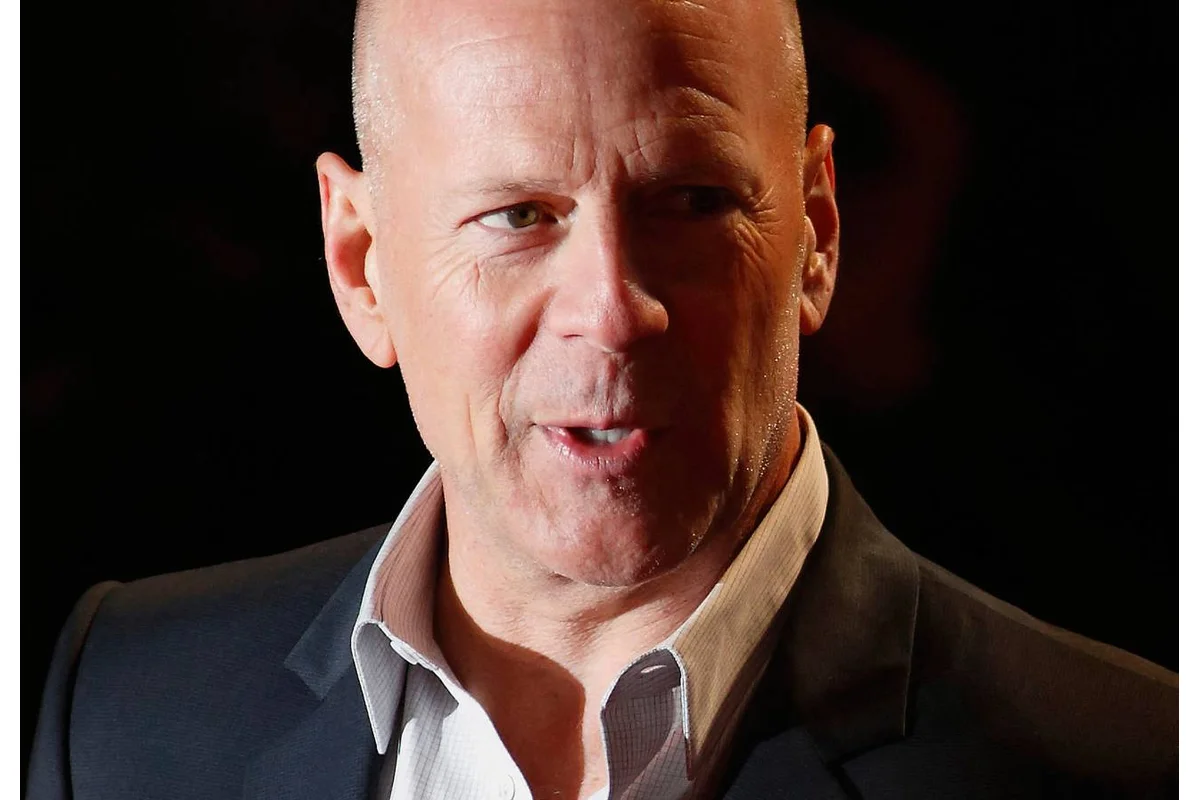
Prior to his diagnosis, Bruce Willis continued acting regularly. However, in 2022, his family announced his retirement due to aphasia, a disorder that impairs memory and communication. A year later, the family, including his ex-wife Demi Moore and their children, confirmed the actor’s frontotemporal dementia diagnosis.
According to the Mayo Clinic, FTD is not a single disease but a category of brain disorders caused by neuron damage in the frontal and temporal lobes. The illness can lead to emotional difficulties and unusual behaviors, and currently, there is no cure. After symptoms arise, individuals typically live for seven to 13 years.
How Anosognosia Affects Bruce Willis and His Family
Emma Heming Willis, a former model who married Bruce Willis in 2009, has shared insights on the difficulties their family faces living with FTD. She noted that anosognosia, while challenging, has brought a measure of relief for Bruce because he does not grasp the full extent of his condition.
I think that’s, like, the blessing and the curse of this,
Heming Willis shared.
Bruce never tapped in. He never connected the dots that he had this disease. And I’m really happy about that. I’m really happy that he doesn’t know about it.
– Emma Heming Willis
The progression of Willis’ illness has been gradual, allowing their blended family to adjust over time. Heming Willis emphasized that despite the diagnosis, her husband still recognizes and connects with his loved ones in unique ways.
So when someone says to me, ‘Does Bruce still know who you are?’ Yes, he does,
she confirmed.
Because he doesn’t have Alzheimer’s; he has FTD. He has a way of connecting with me, our children, that might not be the same as you would connect with, you know, your loved one, but it’s still very beautiful, it’s still very meaningful — it’s just different.
– Emma Heming Willis
Frontotemporal Dementia’s Impact and What Lies Ahead
The revelation about Bruce Willis frontotemporal dementia highlights the profound challenges the actor and his family encounter amid increasing uncertainty. The nature of anosognosia complicates treatment and care, as patients may not perceive their own decline. For Willis and those supporting him, adapting to the evolving effects of FTD remains a daily reality.
As research continues, awareness of FTD and its symptoms could improve support systems for patients and their families. Meanwhile, the public remains attentive to Bruce Willis’ condition, recognizing the courage required to navigate this difficult journey.

Related semantic context: related coverage · external reference.
