
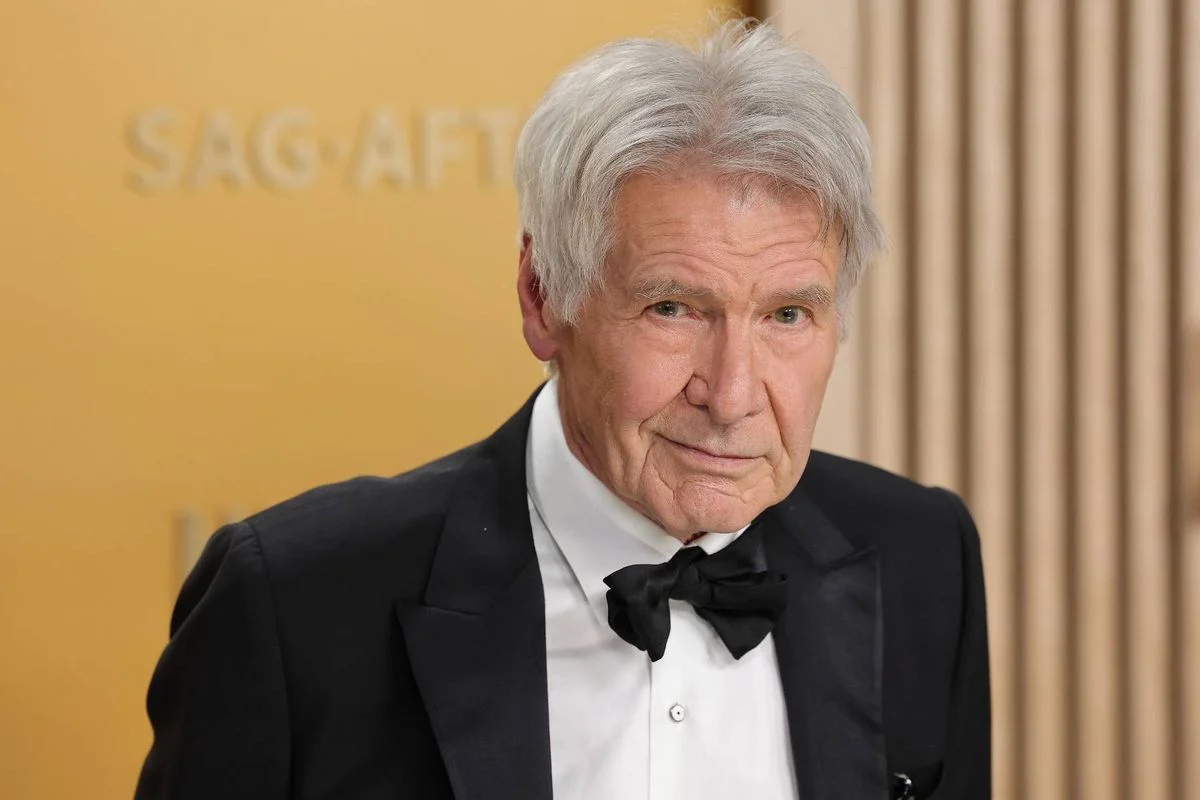
Before becoming the iconic movie star known worldwide, Harrison Ford had a surprising and little-known role in the late 1960s and 1970s as a reputed marijuana supplier within a famed Los Angeles artistic scene. This facet of Ford’s early life unfolded around 1968 through the end of the decade, rooted in the city’s vibrant musical and literary circles, where Ford supported himself and his family through unconventional means.
From Struggling Actor to Part of a Rock and Roll Circle
Harrison Ford’s path to Hollywood stardom was far from direct. He describes himself as a “late bloomer,” having only pursued acting seriously during college. After moving to Los Angeles and entering Columbia Pictures’ talent program, his career faced an early obstacle when he angered influential producer Jerry Tokofsky, resulting in Ford’s name being sidelined and his roles reduced to minor or uncredited parts.
By the late 1970s, Ford was married with two children to support, prompting him to supplement his income. Instead of taking on typical part-time jobs, Ford became involved with the rock and roll world, primarily through a connection as a roadie and camera operator for The Doors during one of their tours in 1968. This role introduced him to the band and its surrounding cultural milieu.
The Influential Artistic Scene on Franklin Avenue
During this period, Ford frequented the Franklin Avenue scene, a hub for musicians, writers, actors, and artists. Here, intellectuals and creative talents such as Annie Leibovitz, Kurt Vonnegut, Tennessee Williams, and Warren Beatty gathered, alongside musicians and fellow scene members. Among the writers invited to witness The Doors recording sessions were Joan Didion and Eve Babitz, notable voices of the era whose experiences provide insight into the cultural environment Ford moved in.
Notably, Babitz developed a friendship and romantic connection with Doors’ lead singer Jim Morrison, while Didion held a more skeptical view of rock culture. From the recently published book Didion & Babitz, which reflects on these two writers and their shared Los Angeles social circles, Ford is mentioned repeatedly—not as a fledgling actor, but as the “stoner kid” who supplied marijuana to this group.
Harrison Ford’s Role as a Marijuana Provider in the Artistic Community
According to numerous accounts, including those of musicians and scene insiders, Ford played a significant role in providing weed to the influential gatherings at Didion’s home, which were attended by figures like Michelle Phillips of The Mama’s and the Papas. Phillips recalled a personal moment in which she recognized Ford on screen.
“I didn’t even know Harrison was an actor,”
Phillips said.
“I remember getting dragged to Star Wars at 10 am on a Saturday morning by my stepbrother, who’d done animation for the movie. I was sitting there, watching the screen, and all of a sudden Harrison comes on, and I gasped and said, ‘That’s my pot dealer!’”
Michelle Phillips, singer and actress
This anecdote highlights the surprising public shift Ford made, from a behind-the-scenes figure in the counterculture to a major Hollywood actor whose past remains unusually candid.
Behind the Scenes: Carpenter, Roadie, or Dealer?
Rumors have circulated that Ford’s official position as The Doors’ camera operator might have been a cover for a less orthodox role maintaining the band’s supply needs. At the same time, it’s documented that Ford worked as a carpenter for the Didions, constructing a front porch for their home, which served as a legitimate source of income amidst his many side activities.
This dual life—half artist’s helper, half underground marijuana dealer—is what paints a complex picture of Ford’s early struggle to support his family while navigating an unconventional entry into fame.
The Cultural Impact and Legacy of Ford’s Early Years
Harrison Ford’s unexpected role in the Los Angeles artistic scene of the late 1960s and 1970s reveals a more conflicted and intense chapter behind the polished image of a Hollywood leading man. His involvement with renowned figures like Joan Didion, Eve Babitz, and Morrison, as well as his presence at parties featuring artists such as Janis Joplin, Warren Beatty, Roman Polanski, and Sharon Tate before the Manson Family murders, underscores the turbulent and often dangerous cultural landscape of that era.
These revelations contribute to a deeper understanding of Ford not only as a “late bloomer” in Hollywood but also as someone who lived an uneasy and multifaceted life marked by struggle, grit, and complicated associations. His early experiences as a marijuana dealer in this iconic scene offer a fascinating glimpse into the realities behind fame and the intricate networks that shaped Californian counterculture at the time.

Related semantic context: related coverage · external reference.
