
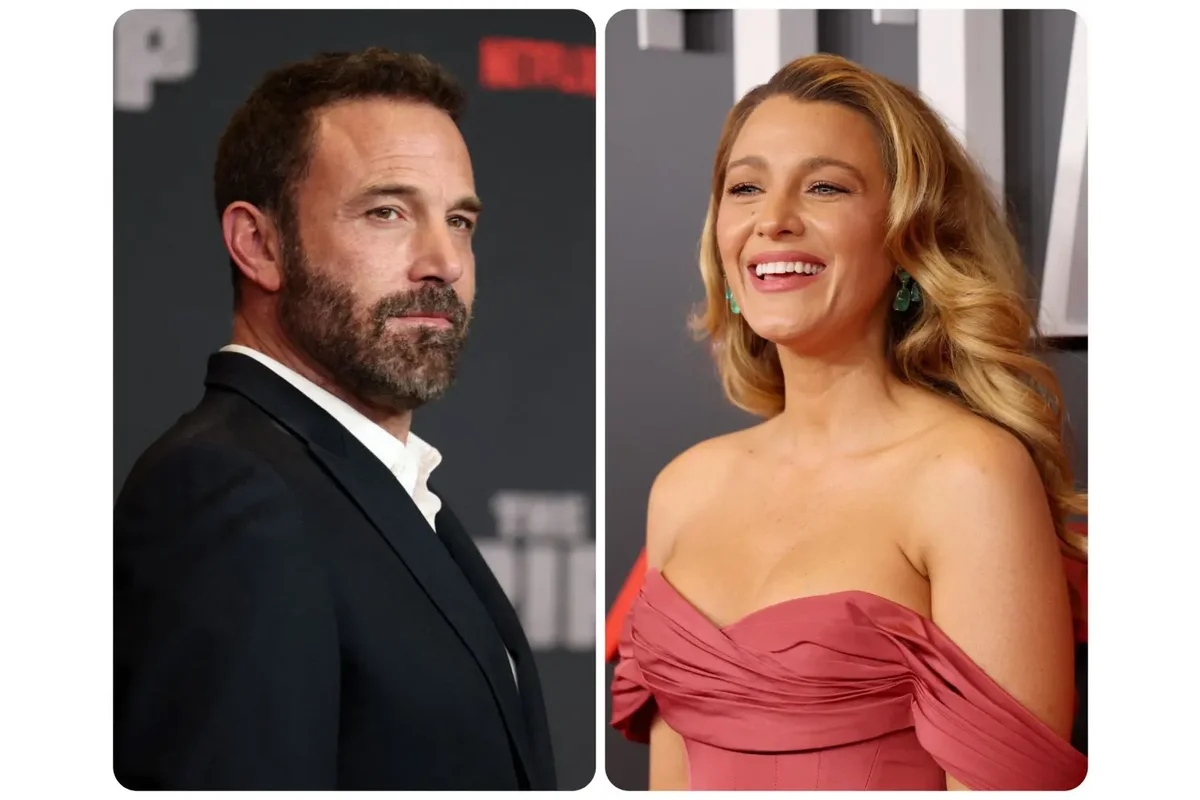
Ben Affleck recently shared the deep disappointment he felt when he was overlooked for an Oscar nomination for Best Director for the film Argo, despite widespread expectations to the contrary. This intense moment of frustration took place during the Oscars ceremony 13 years ago, a painful experience that Affleck revealed while promoting his Netflix project, The Rip, earlier this month.
Although Argo earned seven Oscar nominations and ultimately took home Best Picture as well as two additional awards, Affleck was not nominated for Best Director. This was particularly striking given that he had already secured Best Director honors at the Golden Globes, Critics Choice Awards, and BAFTAs—positioning him as a clear frontrunner in the category.
A Look Back at the Morning of the Snub
Affleck recounted the moment he learned about the omission, explaining that everyone around him had assured him he would be nominated.
“It was the year everyone kept telling me, ‘You’re going to get nominated, you’re going to get nominated for Best Director,’”
he said. He described waking up on the day of the nominations to the sudden shock and embarrassment of realizing his name was missing.
“So, of course, I wake up that morning, and obviously… – and it’s not unlike other mornings where I hadn’t been nominated for Best Director. But suddenly, it’s a huge disgrace. I wake up and people are telling me, ‘You weren’t nominated,’”
Affleck recalled.
This revelation stunned Affleck, turning what began as anticipation into a humiliating experience, especially given Argo’s ultimate triumph at the Oscars.
Award Show Disappointments Resonated Beyond Affleck
Jimmy Kimmel, who hosted the interview with Affleck, connected this story with another memorable awards event just the night before, where Leonardo DiCaprio did not win Best Actor at the Critics Choice Awards despite his film, One Battle After Another, sweeping several main categories.
“I was thinking, ‘My God, he has better things to do,’”
Kimmel joked, reflecting on DiCaprio’s apparent detachment from the event.
“And the film wins Best Film. The director, Paul Thomas Anderson, wins Best Director, and then… he doesn’t win. I was thinking he must be furious to have left the place he was airlifted from – a yacht, somewhere – and not be able to stay. He came to lose.”
This sentiment underscored the complicated nature of awards shows, where recognition sometimes misses the mark despite critical and peer acclaim.
The Emotional Toll of the Oscars Snub
Kimmel described Affleck’s snub as potentially
“the worst situation in the history of award shows,”
emphasizing how unusual it was that Affleck wasn’t nominated for either directing or acting in a film that eventually won Best Picture.
“It’s as if the film made itself,”
Kimmel remarked, highlighting the absurdity of the omission.
Affleck himself admitted that the day of the snub became a “negative, horrible event,” and he recalled the awkward experience of attending the Critics Choice Awards shortly thereafter.
“I remember arriving and seeing a line on the red carpet, about 500 people dying to talk to me, each of them saying, ‘Hey! So, about that snub…’ What do you say to that? ‘It’s really unfortunate!’ I ended up winning the Critics Choice Award,”
he said.
He also expressed his embarrassment candidly:
“Honestly, it’s just plain embarrassing. I wasn’t the type to say, ‘I’m going to get nominated!’ It’s the ritual of then having to explain why you weren’t nominated. I never said I would be!”
Bradley Cooper Shares Similar Feelings Over Awards Snubs
Bradley Cooper faced comparable frustrations after being overlooked for a Best Director nomination for A Star Is Born, despite receiving nods from the Golden Globes, Critics’ Choice, and Directors Guild of America Awards. He revealed to Oprah in 2019 that his initial reaction was one of shame and embarrassment for not fulfilling his own expectations.
“Actually, my first reaction was shame. Think about it. I was embarrassed not to have done my part,”
Cooper admitted.
Despite the snub, Cooper emphasized his true motivation lay in authenticity rather than awards.
“Even if I had been nominated, it shouldn’t have influenced my decision. The whole secret is to create something you believe in,”
he said. He added,
“My only aim was to create an environment as authentic as possible. [An authentic place] within myself and among everyone I asked to participate in this film: to tell a human story, one of people dealing with their family life, childhood traumas, addiction, love, and the pursuit of their own path.”
Continuing Impact and Legacy
Ben Affleck’s experience with the Oscars snub highlights the unpredictable and sometimes painful nature of awards recognition, where merit does not always guarantee acknowledgment. For Affleck, the incident remains a significant professional disappointment tied closely to a moment when his work was celebrated but his individual contributions were overlooked. This story, echoed by Bradley Cooper’s similar experience, reflects the emotional strain that these omissions place on artists dedicated to their craft.
Affleck’s candid reflections serve to remind audiences and industry watchers alike that awards, while prestigious, do not always fully represent the effort and talent behind celebrated films. As Argo continues to be available for streaming on HBO Max, it endures as a testament to his directorial skill despite the snub.
Related semantic context: related coverage · external reference.
