
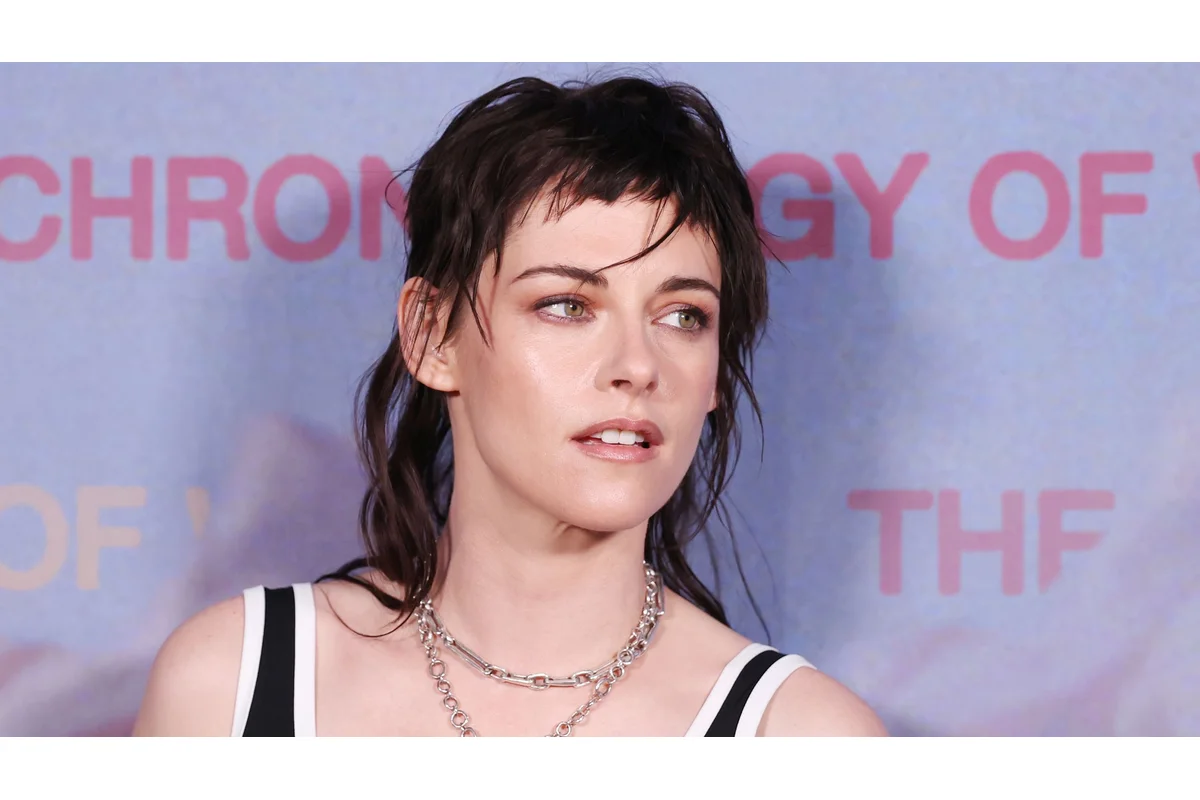
Kristen Stewart’s first feature as a director, The Chronology of Water, is creating waves at film festivals with its daring and unconventional style. The movie, adapted from Lidia Yuknavitch’s experimental memoir, explores themes of pain, loss, memory, and reclaiming desire through a fragmented, impressionistic approach. Stewart embraces the complexity and challenges of this arthouse film, fully aware that it might not resonate with every viewer but determined that it provoke an authentic response. This Kristen Stewart directorial debut has ignited discussions about originality and sincerity in cinema.
The Genesis and Vision Behind the Project
Stewart first encountered Yuknavitch’s memoir on the set of the film JT LeRoy in 2018. The chaotic, poetic nature of the book struck her immediately, driving Stewart to claim sole responsibility for adapting it into a film. She describes the text as a visceral exploration of desire and trauma, emphasizing the physical and bodily themes central to the narrative. Stewart felt liberated by the project:
“We’re all so muzzled. And it just felt like the muzzle was off. That’s the fun part. It’s got a loud mouth. A big, wide-open mouth.”
This unfiltered creative impulse fueled her decision to pursue directing the film herself.
A Collaborative Artistic Connection
After reaching out to Yuknavitch with an impassioned email, Stewart and the author forged a creative bond grounded in their mutual understanding of art and storytelling. Yuknavitch, who has long admired Stewart’s career shift from mainstream to indie projects, saw a remarkable alignment between the actress and the themes in her work, revealing,
“I even wrote a novel with her in mind… She was moving toward independent art films, and I pictured her in my brain when I wrote this novel.”
Their shared artistic sensibilities highlight the film’s foundation as an intersection of personal narrative and experimental cinema.
Financing Challenges and Industry Barriers
The film’s deeply personal and confessional nature made securing funding difficult. Both Stewart and star Imogen Poots discuss the broader cultural issue of how women’s confessional literature is often trivialized compared to men’s. Stewart points out,
“There are so many examples within modern literature of men laying it all bare, but as soon as you do something overtly personal as a woman, it’s less serious… You have to be Virginia Woolf to be considered a good writer.”
This bias extended into the film’s production process, where potential backers struggled to categorize the story or viewed its frank subject matter as a hard sell. Stewart explains,
“It’s about the gouging out of desire, and the reframing of that, and how empowered that is. In a slug line, it’s a really tough sell.”
The Production Journey and Casting Choices
The project endured eight years of development before filming began, primarily on location in Latvia. While Stewart maintained her acting career and directed smaller works, the momentum for The Chronology of Water persisted quietly in the background. Producer Charles Gillibert even suggested she abandon the project, but Stewart’s resolve was unshaken:
“He really encouraged me not to make this movie. I was like: we’re gonna cease being friends if you keep saying this to me.”
Imogen Poots embodies the adult Lidia with intensity and physicality, delivering a performance shaped by the film’s raw and fragmented narrative. Poots, known for her understated yet powerful presence, reflects on the casting,
“Any actress I know would have wanted to play this part,”
but acknowledges casting a less conventional star complicated financing. She adds,
“If Kristen had hired a massive movie star, then it would have made getting the money a hell of a lot easier.”
Stewart’s loyalty to Poots was clear:
“She’s my favourite actor, and everyone else sucked. There was literally no one else, and she’s been a fave of mine for ever.”
A Cast of Creative Misfits Supporting the Vision
The ensemble includes Kim Gordon, Thora Birch, and Jim Belushi, who portrays author Ken Kesey. Their involvement sprung not from favors but from a shared interest in the film’s artistic ambition. Stewart confirms,
“Nobody did me any favors, trust me… In fact, we got fucked. In the face. Over and over.”
Belushi’s participation came after other actors withdrew, yet Stewart values his presence:
“He’s kind of a radical, and he’s a hippy, and he was perfect to play this part.”
This eclectic cast helped bring the film’s mosaic of memories and experiences to life.
Reimagining Narrative Through Fragmented Storytelling
Rejecting traditional storytelling, the film represents Lidia’s fractured memories, with male characters entering and exiting her life like brief appearances—a “conveyor belt,” as Poots describes it, or “chapters,” according to Stewart. This approach emphasized the female experience at the center, subverting cinematic conventions by focusing scenes primarily on the lead character. Stewart notes the revolutionary dynamic on set:
“It was fucking incredible to watch male actors come in and have it not be about them. I would be like: sorry, but we’re actually not gonna shoot you. We’re just gonna shoot her.”
This deliberate shift underscores the film’s commitment to portraying a woman’s intimate journey.
Actor Insights: Navigating Intensity and Vulnerability
Thora Birch, who plays Lidia’s older sister Claudia, shared her experience via video call from Los Angeles. Birch praises Poots’s performance, calling her
“a knock-down, one-two-punch, hazelnut-popping actress out of the Brit academy if I ever saw it.”
Birch admits the process was daunting but rooted in trust:
“You cannot enter a conversation with Kristen Stewart without coming locked, loaded and ready to go… It’s intimidating!”
Both actresses relate through their shared histories as child stars, with Birch reflecting on Stewart’s successful navigation of fame:
“You knocked it out of the park, because you held on to your individuality and your point of view, which can really be difficult to hold on to.”
Exploring Female Experience with Poetic Boldness
Birch believes the film is “a very Kristen Stewart movie,” and she applauds the decision to spotlight uncomfortable but vital subjects such as menstruation, stillbirth, and familial sexual abuse.
“She will hate me for saying it, but I’m sorry, this is emblematic of a female experience that not a lot of people are ready, willing or even able to dissect and talk about.”
Birch describes the film as
“a punk rock arthouse movie that is like a non-psychedelic ayahuasca trip,”
blending fantasy, poeticism, and harsh realities. This unflinching portrayal challenges audiences and industry norms alike.
Critical Response and What Lies Ahead
Although this Kristen Stewart directorial debut might surprise fans expecting a more commercial approach, its boldness has garnered praise. Birch recounts hearing a review proclaiming, “homegirl can direct,” a sentiment she wholeheartedly agrees with. Stewart’s determination and unique artistic voice suggest a promising directing career ahead. As the film prepares for its UK theatrical release on 6 February, audiences can expect an intense, fragmented cinematic experience that redefines storytelling around female desire and trauma.
Related semantic context: related coverage · external reference.
