
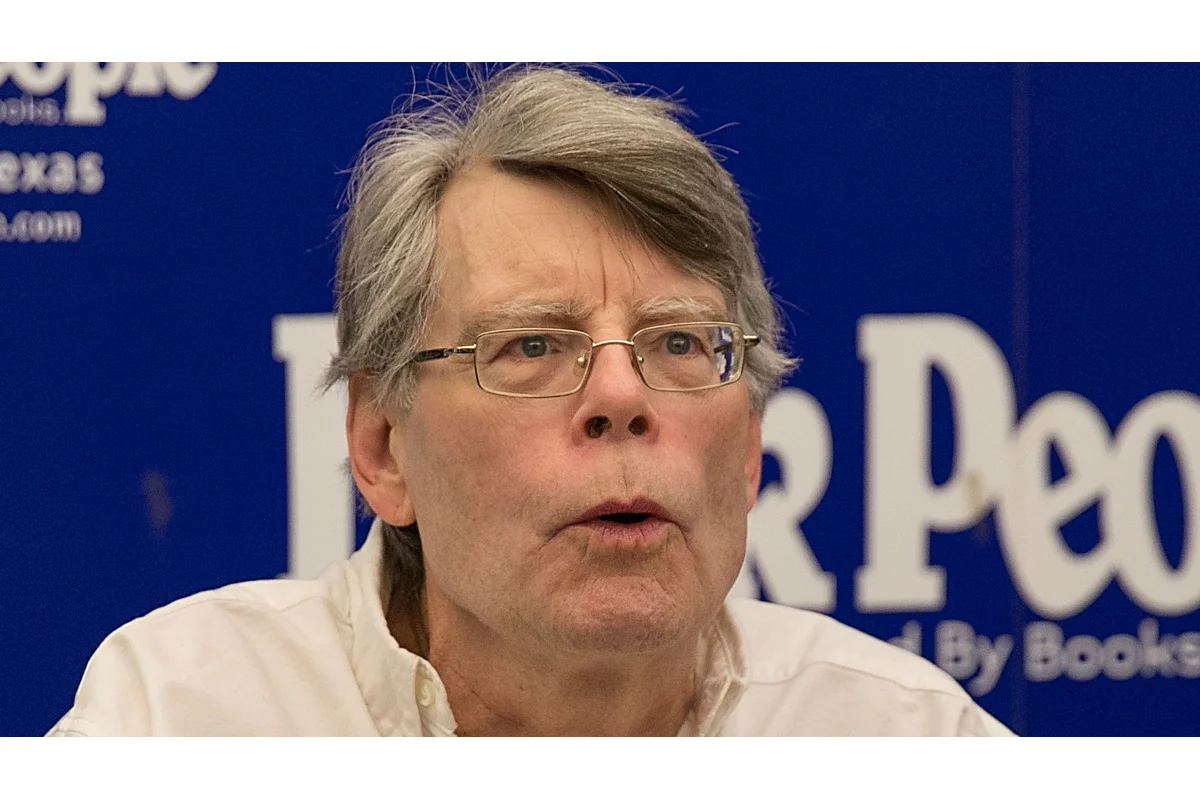
Stephen King‘s horror influence traces back to the 1955 film The Night of the Hunter, which left a lasting impression on him during his childhood. King credits the movie’s villain, Reverend Harry Powell, as a terrifying figure that shaped his understanding of what horror could be and influenced the creation of characters in his own work.
The Night of the Hunter’s Initial Reception and Lasting Impact
Upon its 1955 release, Charles Laughton’s The Night of the Hunter did not receive widespread acclaim but was largely misunderstood by critics and audiences alike. Despite now being recognized as a landmark in American Southern Gothic cinema, the film was initially criticized for its unconventional tone and difficult categorization. This mixed early reception contributed to the film’s powerful appeal for Stephen King, who found its dark, eerie quality compelling.
The film’s story tackled difficult themes, which were controversial at the time of release. Its villain, Reverend Harry Powell, is a preacher who manipulates religion to conceal his murderous intentions. Powell’s chilling use of biblical scripture combined with his duplicitous nature made him a challenging character for audiences of that era. The tattoos on Powell’s hands, bearing the words “love” and “hate,” symbolize his twisted interpretation of faith, a detail that enhances his menacing presence.
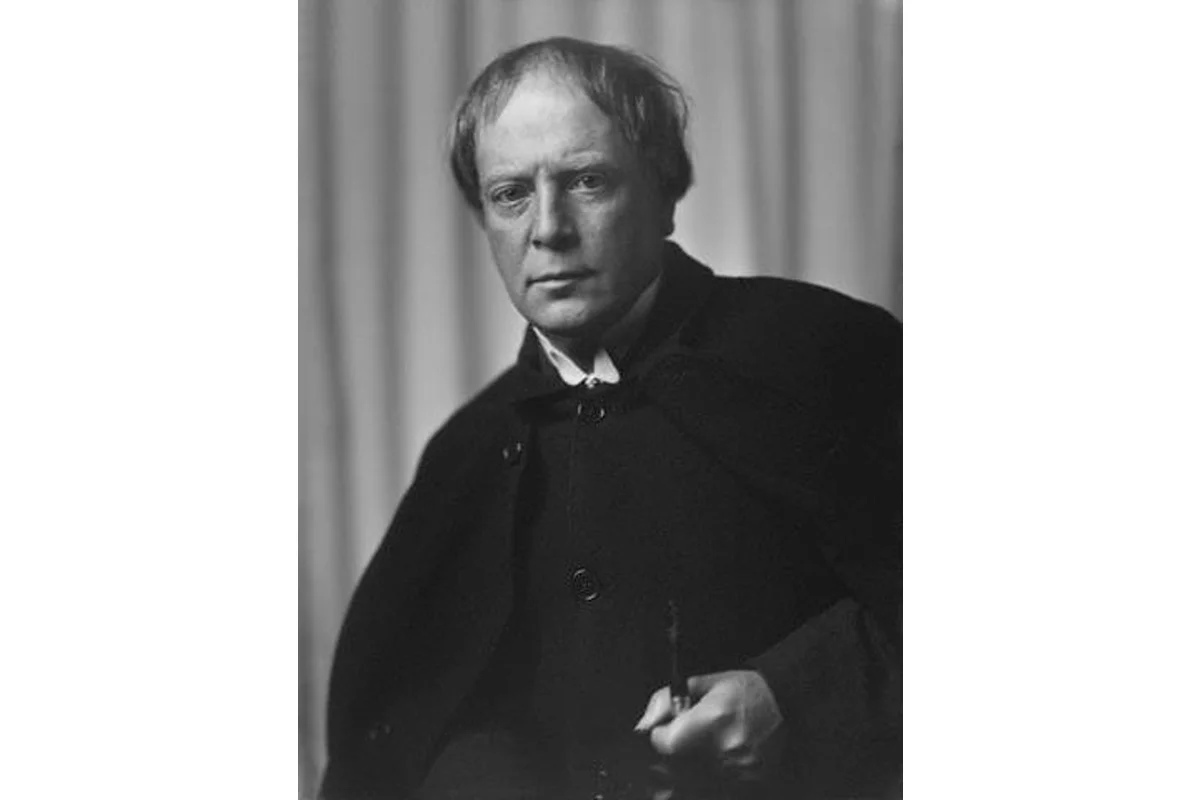
Robert Mitchum’s portrayal of Harry Powell is key to the movie’s unsettling atmosphere. His commanding charisma convinces nearly every adult in the story, masking the true threat he poses. This dynamic leaves children to fend for themselves, a theme Stephen King frequently explores. King has written that horror often gains power by focusing on the loss of innocence, and in The Night of the Hunter, children see the danger long before others do, much like the young characters in King’s novel IT.
How Reverend Harry Powell Shaped Stephen King’s Villains
Reverend Powell’s horror stems from his ability to blend seamlessly into society while hiding his monstrous nature. His role as a trusted preacher serves as a façade for his evil deeds, illustrating a chilling contrast between appearance and reality. This concept resonates deeply in King’s work, where trusted figures often conceal dark secrets. For example, King’s vampire antagonist Kurt Barlow in Salem’s Lot similarly uses charm to mask his predatory nature.
Powell’s manipulation of those around him parallels Pennywise the Clown in IT, who lures victims by adopting a familiar and seemingly harmless guise. Both characters exploit trust and innocence, presenting evil that lurks openly among ordinary people. This portrayal of sinister forces hiding in plain sight underscores a primal fear that transcends typical jump-scare tactics.
These resemblances underline why King regards The Night of the Hunter as one of the most frightening films he has encountered. Its influence helped shape King’s understanding of psychological horror and the importance of layered villains capable of deceiving others. The movie’s enduring legacy lies in its ability to evoke deep unease and inspire subsequent generations of horror storytelling.
Principal Cast of The Night of the Hunter
- Robert Mitchum as Preacher Harry Powell
- Billy Chapin as John Harper
- Shelley Winters as Willa Harper
- Lillian Gish as Rachel Cooper
Related semantic context: related coverage · external reference.
