
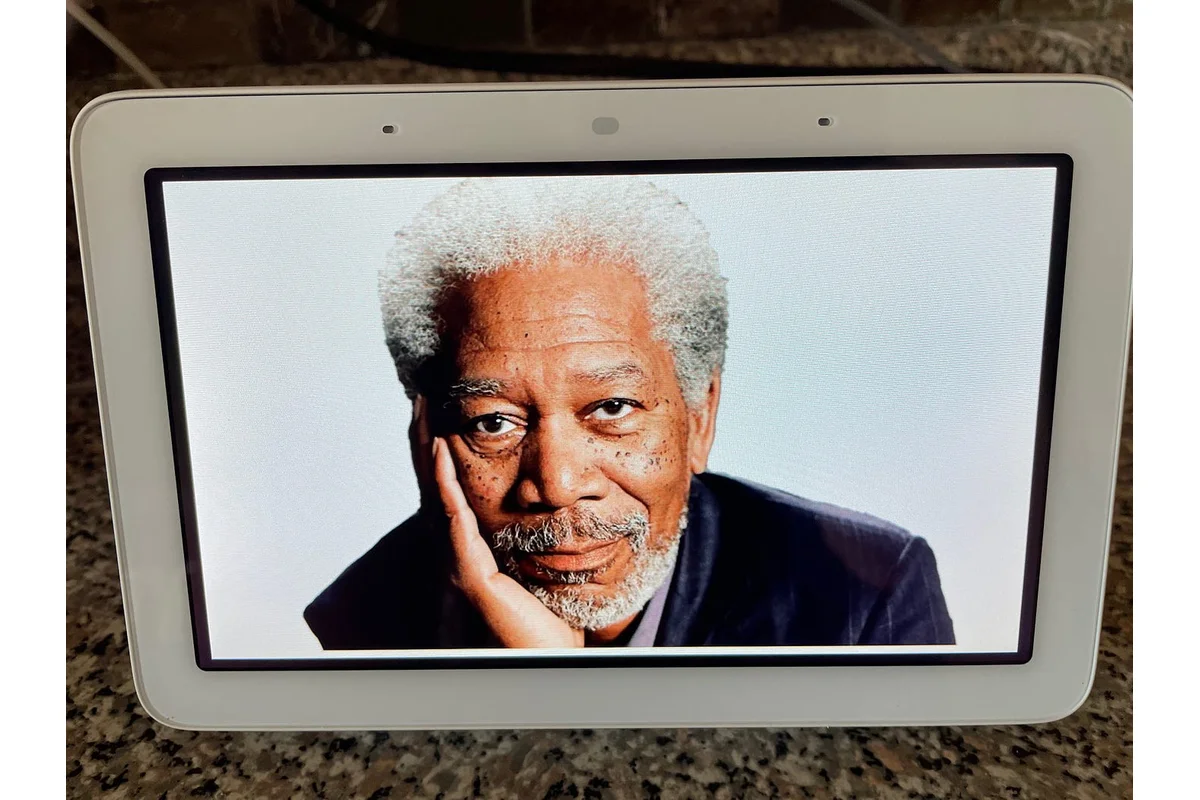
With over six decades in the entertainment industry, Morgan Freeman has experienced nearly every type of role and opportunity available in Hollywood. His extensive career has brought him into contact with many iconic figures, ranging from legendary veterans to emerging talent, granting him a rich perspective on acting and collaboration. Freeman’s career is so complete that he has even joked about his achievements by starring in a film with Jack Nicholson, another titan of the industry.
Though Freeman has worked with numerous celebrated actors, one notable exception remains: Meryl Streep. Nevertheless, given his ability to seize chances, a future collaboration with Streep appears likely. While he is generally satisfied with his accomplishments, Freeman admits that not every partnership on set results in seamless creative synergy.
Insights on Collaboration and Co-Star James McAvoy’s Acting Style
In the realm of acting, differences among cast members are inevitable, especially on projects involving multiple strong creative personalities. This was apparent during the filming of the 2008 movie Wanted, which featured Freeman alongside notable actors such as Angelina Jolie and James McAvoy. Freeman recalls McAvoy as a dedicated and hardworking actor but felt that his style bordered on exaggeration.
Addressing this candidly, Freeman told Collider,
“[He was] great. He’s a hard-working kid. Maybe too hard. By that I just mean he overacts, but this is an action movie, and he got a little ill. But we were in Prague so I don’t really know. I remember working in Bulgaria, I also had the same affliction that he came down with. It was like an ear affection that’s really debilitating. Had something to do with the water, I’m sure.”
This perspective highlights Freeman’s sensitivity to subtlety in acting and the challenges faced during filming in difficult conditions.
Freeman’s Views on Theatre Versus Film Acting
Freeman’s critique of McAvoy’s approach becomes clearer when considering his personal disapproval of theatre acting. He finds stage acting not only difficult but also less rewarding compared to film work, largely due to the demanding nature of performing live without room for error. His negative experiences in theatre have left a lasting reluctance to return to that medium despite his substantial early efforts.
He explained his preference in these terms, stating that theatre is “too much work,” a sentiment shaped by years of laboring in the stage world to eventually earn opportunities in movies. Freeman elaborated,
“Movies, you do a little work, make a lot of money and move on. I like that. And I think I’ve paid my dues,”
emphasizing his appreciation for the efficiency and flexibility that film offers.
Preference for Subtlety and Authenticity in Film Performances
According to Freeman, film acting allows for a greater focus on authenticity, nuance, and the chance to refine a scene through multiple takes. Unlike theatre, where every performance is final and unrepeatable, movies give actors the option to explore subtler emotional layers and correct missteps. Freeman’s own well-known acting style is marked by such restraint, which likely fueled his discomfort with what he saw as McAvoy’s overacting in Wanted.
This conflict of approaches highlights ongoing debates within Hollywood about the best methods to bring characters to life, with Freeman advocating for a more understated and true-to-life execution rather than an amplified theatrical energy. His perspective underscores how diverse acting philosophies coexist and sometimes clash even among accomplished professionals.

Related semantic context: related coverage · external reference.
