
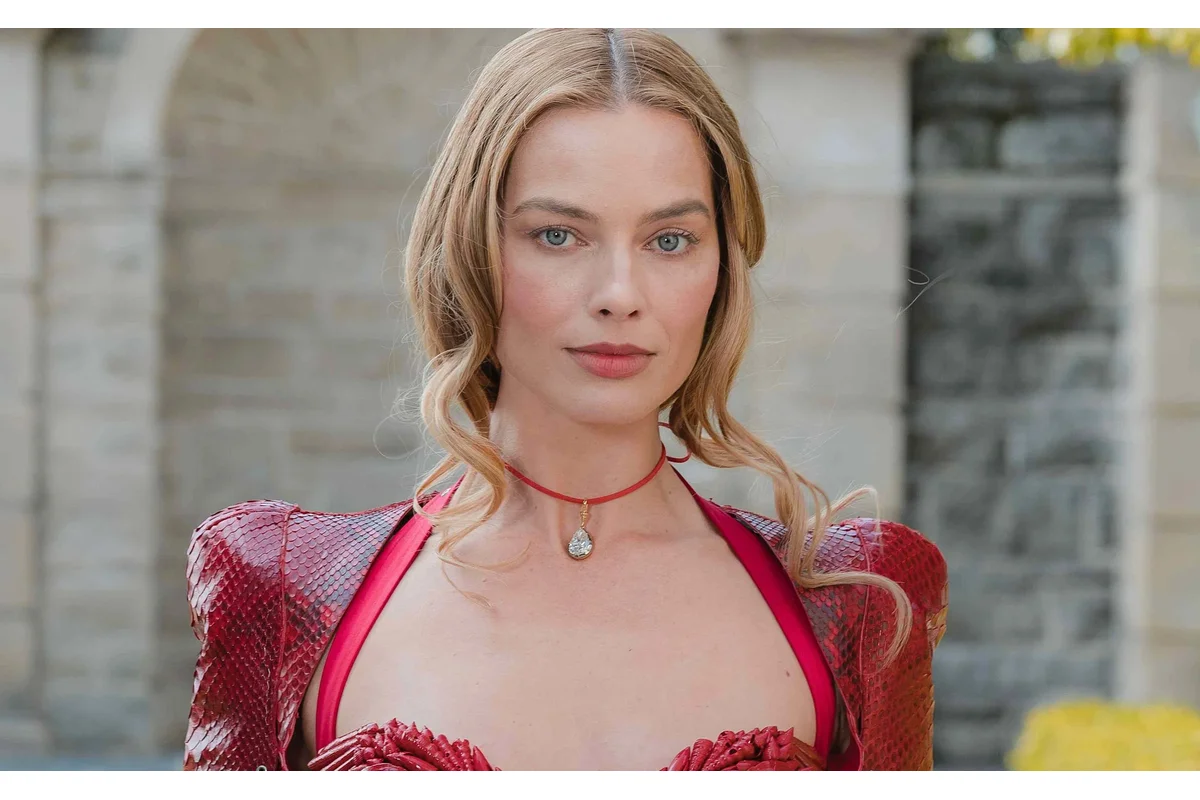
Margot Robbie star power has once more captured Hollywood’s undivided attention, demonstrating the rare ability of an actor to transcend mere performance and become a cultural phenomenon. Since her breakthrough in Martin Scorsese’s The Wolf of Wall Street, Robbie has grown from a local Australian soap star into an emblem of magnetic appeal and versatility that few actors achieve.
From Rising Australian Talent to Hollywood Icon
While the concept of celebrity often feels strange and inconsistent—where admiration can elevate performers beyond everyday people—Margot Robbie’s ascent reflects a unique blend of talent and presence. Unlike ordinary admiration, Robbie’s star power invokes a level of fandom akin to idolization, much like past icons such as Marlon Brando and Leonardo DiCaprio. Her debut in The Wolf of Wall Street stunned audiences not only with her flawless Brooklyn accent but also with her ability to embody such a complex role so convincingly.
Robbie’s career propelled further with her portrayal of Harley Quinn in the 2016 film Suicide Squad, cementing her as a mainstream star. Soon after, she earned her first Academy Award nomination for playing the disgraced figure skater Tonya Harding in I, Tonya. This mix of star quality and chameleon-like acting has made her an irresistible presence on and off screen, her natural warmth and captivating smile endearing her to fans and critics alike.
The Magnetic Appeal Behind Robbie’s On-Screen Roles
Margot Robbie’s ability to transform convincingly—whether portraying Barbie or Sharon Tate—has drawn numerous filmmakers eager to collaborate with her. A recent example is Emerald Fennell, who, after producing the controversial 2023 film Saltburn, chose Robbie to lead in her latest project, an unconventional adaptation of Emily Brönte’s Wuthering Heights. Fennell highlights Robbie’s compelling presence as the key reason for casting her despite significant departures from the source material.
The adaptation has sparked debate among fans, who have criticized the casting, costumes, and production choices as inconsistent with the original novel. Robbie’s portrayal of Cathy—traditionally a young, dark-haired character—is contentious due to her age and blonde appearance in the trailer. However, Fennell justifies this choice by emphasizing the necessity of Robbie’s star power to realize her artistic vision.
“It needed somebody like Margot, who’s a star, not just an incredible actress — which she is — but somebody who has a power, an otherworldly power, a Godlike power, that means people lose their minds.”
— Emerald Fennell, Filmmaker
How Robbie’s Star Power Shapes Hollywood Casting
The casting decision for Wuthering Heights reflects a broader reality in the industry: when an actor wields so much influence, certain creative liberties become acceptable. Robbie’s “Godlike power,” as Fennell describes it, allows filmmakers to prioritize star appeal over strict adherence to character authenticity. This phenomenon raises questions about how much star power should influence casting choices and whether it enhances or detracts from a film’s artistic integrity.
While Robbie’s ability to attract audience attention can elevate projects, some critics argue that relying on an actor’s intense fan following may mask rather than solve underlying storytelling or production flaws. A strong lead should ideally support a film’s narrative rather than serve as its primary draw.
The Lasting Impact of Margot Robbie’s Influence
Margot Robbie’s star power continues to shape Hollywood’s dynamic, inspiring filmmakers to embrace bold visions fueled by her undeniable presence. As her career progresses, her ability to draw viewers and generate passionate reactions solidifies her position as one of this generation’s most powerful cinematic forces.
The ongoing dialogues around projects like Wuthering Heights also spotlight the evolving relationship between art, celebrity, and audience expectations. Whether Robbie’s casting choices in such controversial films redefine norms remains to be seen, but her influence remains a defining characteristic of contemporary cinema.

Related semantic context: related coverage · external reference.
