

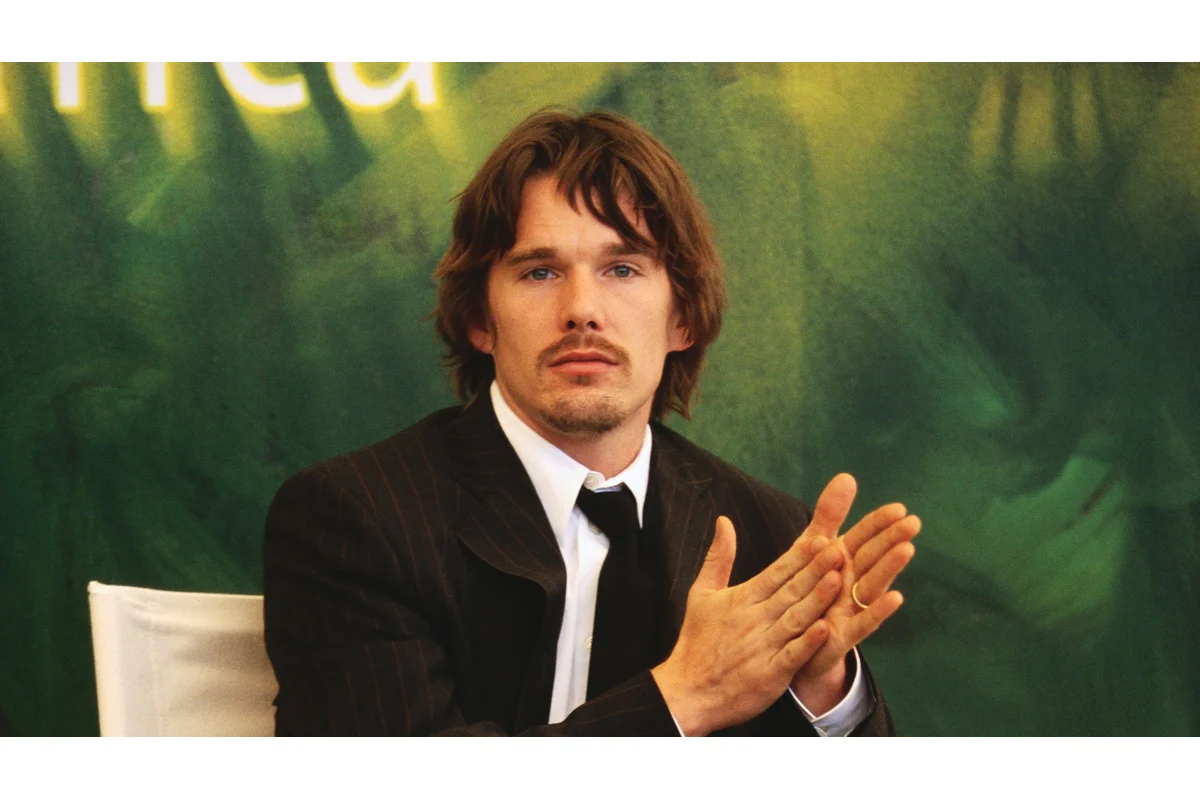
Edward Norton, widely recognized for his intense and versatile performances, shared his top three picks for the best Edward Norton gangster films during a conversation with writer Tim Ferriss. These films illustrate compelling stories of power, loyalty, and survival within criminal worlds, resonating deeply with audiences around the globe.
Edward Norton’s Appreciation for Gangster Cinema
While Edward Norton is not primarily known for starring in traditional mob movies, his career includes notable crime dramas such as Spike Lee’s 25th Hour, Primal Fear with Richard Gere, and Marlon Brando’s final film, The Score. Despite these varied roles, his most acclaimed performance remains the gripping 1998 thriller American History X, which earned him an Oscar nomination for Best Actor and exposed the dark realities of neo-Nazi groups in America.
Reflecting on gangster films, Norton expressed admiration for the French director Jacques Audiard, stating,
“I’m a huge fan of this French filmmaker, (A Prophet director) Jacques Audiard.”
—Edward Norton, actor
He also ranked his personal top three gangster films:
“I personally put A Prophet as one of the three best gangster films ever made. For me, The Godfather, Goodfellas, and A Prophet are, at this point, my three. If I had to pick three gangster films, I think they are the best ones.”
—Edward Norton, actor
Why “A Prophet” Stands Out in Modern Gangster Filmography
A Prophet, directed by Jacques Audiard, is widely regarded as one of the finest prison dramas in recent cinema history. The film chronicles the journey of an Algerian immigrant who begins his prison sentence as a low-level petty thief and gradually climbs the ranks within the criminal underworld, eventually becoming a crucial figure in the Corsican mafia.
This French-language film won several international awards and catapulted Audiard into global recognition. His success with A Prophet enabled him to direct English-language projects, including the musical Emilia Perez starring Zoë Saldaña, which earned thirteen Oscar nominations and secured two wins.
The Enduring Legacy of “The Godfather” in Gangster Cinema
Francis Ford Coppola’s 1972 film The Godfather is widely considered the foundation of gangster films, setting a high standard for the genre. Based on Mario Puzo’s novel, it became an immediate success, earning nearly $300 million worldwide on a modest budget of $7 million. The film received eleven Oscar nominations, winning three, including Best Actor for Marlon Brando.
Its exploration of family loyalty, crime, and power dynamics has left an indelible mark on Hollywood and remains a cultural benchmark for storytelling about organized crime.
Martin Scorsese’s “Goodfellas” and Its Rising Esteem
Nearly two decades after The Godfather, Martin Scorsese released another monumental mob film, Goodfellas, featuring Robert De Niro, Joe Pesci, and Ray Liotta. Although it wasn’t an immediate box office sensation like Coppola’s classic, over the past 35 years, it has gained widespread acclaim, often cited as one of the greatest films ever made.
Goodfellas was nominated for six Oscars, with Joe Pesci winning Best Supporting Actor for his intense portrayal. Scorsese’s film provides a raw and dynamic view of life inside the Mafia, emphasizing the gritty realities and psychological consequences of organized crime.
The Influence and Importance of Norton’s Choices
Edward Norton’s selection highlights three landmark gangster films that represent different facets and eras of the genre, uniting classic American mob tales with contemporary international storytelling. His choices emphasize the timeless themes of loyalty, betrayal, and identity within the criminal world.
For fans of Edward Norton gangster films or the genre in general, these movies offer a broad perspective and rich narratives, from Coppola’s iconic saga through Scorsese’s gritty realism to Audiard’s insightful French prison drama. Norton’s endorsements encourage new and existing audiences to explore these influential works, ensuring their continued relevance in cinema and education worldwide.

Related semantic context: related coverage · external reference.
