
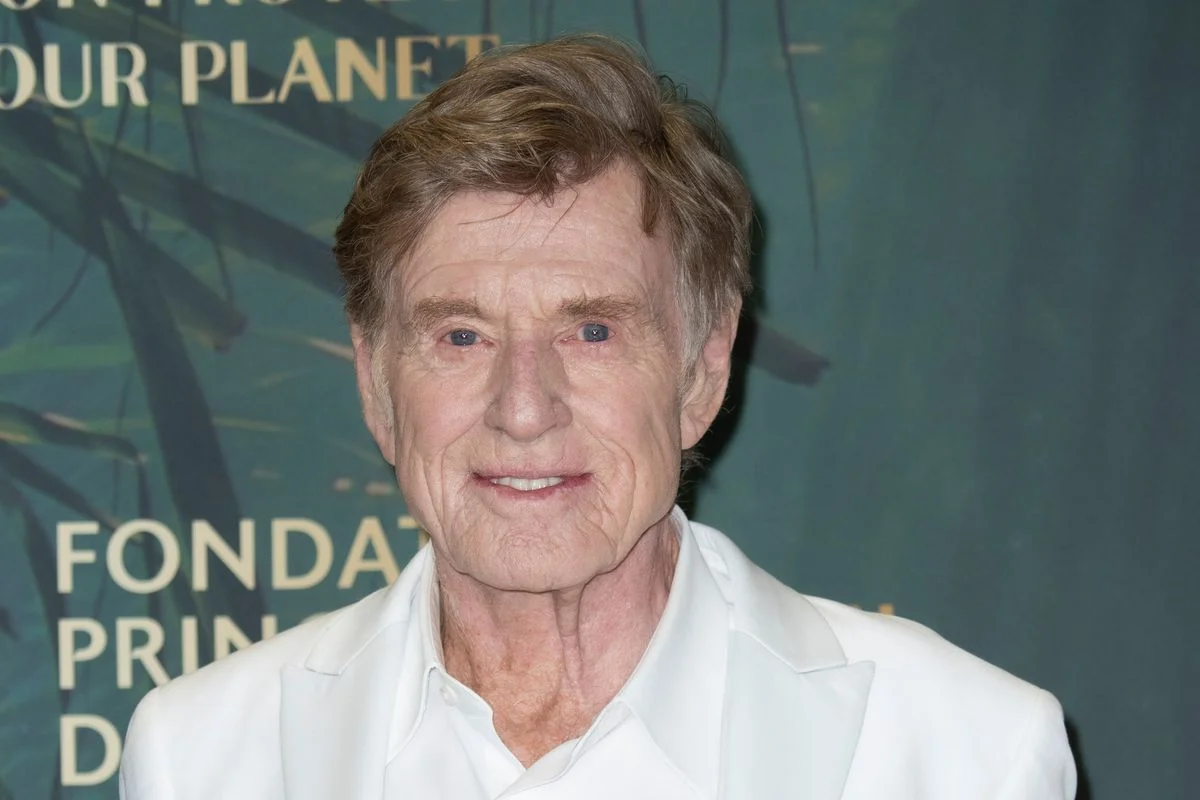
Robert Redford is the primary entity for this article, supported by Entertainment topic context.
Related WII context: related keeper article. External authority context: industry context.
Each year during the Sundance Film Festival, Robert Redford stepped away from city life to retreat into the mountains. At the Sundance Mountain Resort nestled in Utah’s Wasatch Mountains, he hosted the festival’s Directors Brunch, bringing together filmmakers from around the globe. For Redford, this annual event was a treasured moment to encourage, support, and relate to artists at all stages of their careers, reflecting his deep understanding of the challenges faced by creators in independent cinema.
The Foundational Role of ‘Downhill Racer’ in Redford’s Career
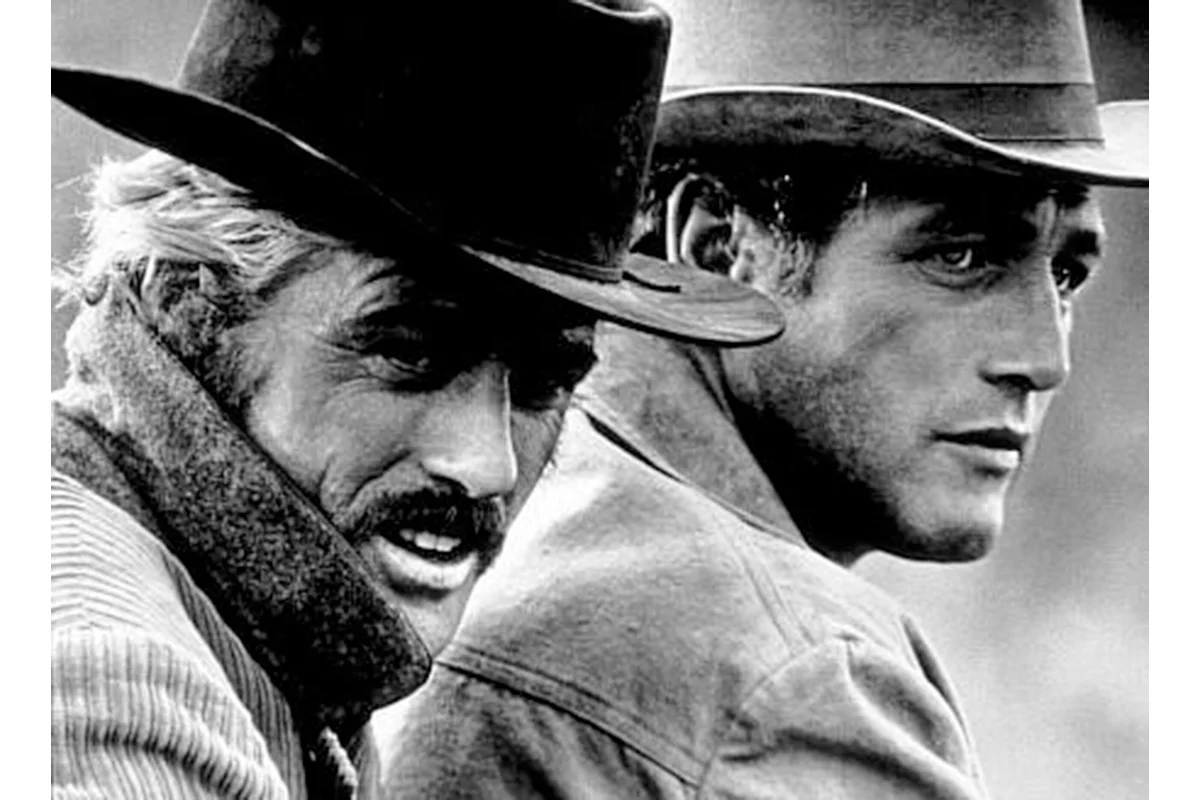
While the blockbuster Western Butch Cassidy and the Sundance Kid elevated Redford’s fame and later inspired the festival’s name, it was his first independent film, Downhill Racer, that left a lasting mark on him. Released shortly after Butch Cassidy in 1969, this sports drama became a personal passion as Redford navigated a difficult production process with Paramount. He championed this film’s creation despite studio resistance, and that perseverance ultimately sparked the establishment of the Sundance Institute and Film Festival. Following Redford’s death in September at age 89, the festival’s final Utah run paid tribute to his legacy with a special screening of Downhill Racer on its closing weekend.
Amy Redford Shares Insights into Her Father’s Struggles
With Robert Redford unable to attend the screening, his daughter Amy Redford spoke about the film’s significance at the Ray Theatre in Park City. Reflecting on the film’s artistry, she highlighted innovative filming techniques, such as mounting cameras on skis to create immersive action sequences, which she described as “pretty revolutionary at the time.” These methods contributed to the movie’s authentic, documentary-style feel.
Amy also detailed the challenge her father faced in portraying a protagonist who defied typical likability. His character, David Chappellet, is a fiercely determined skier who alienates others with his arrogance and single-minded ambition. Early in the film, Chappellet refuses to race due to a late starting position and later complains after placing fourth in his European debut. After the race, he quips,
“Maybe next time I’ll get a higher starting number.”
Amy Redford explained the industry’s reluctance to accept this flawed portrayal:
“The character is imperfect, and the industry didn’t want to see an imperfect Bob Redford. They wanted to see what they wanted to see.”
She added,
“He was always trying to have the freedom to investigate imperfection, humanity. But because people cherished him as the star, there wasn’t a lot of room for that. So I think part of his drive to support writers and filmmakers who were interested in investigating complex characters was so that (filmmakers) beyond him might be able to have the opportunity to do that, still work, still have that freedom.”
John Nein Reflects on Redford’s Enduring Storytelling
Festival programmer John Nein has heard Robert Redford recount the struggles behind Downhill Racer at Directors Brunch events for over two decades. Nein described the evolving tale as
“a fantastic story. It would change in little ways year to year — in great ways,”
adding with a smile, “He was a great storyteller.”
Despite slight variations, the core of Redford’s tale remained consistent enough for the festival to compile archival footage of his own narrations, offering audiences the chance to hear his story directly.
Robert Redford’s Message: Perseverance and Empathy for Filmmakers
A montage of clips from 2002 to 2018 featured Redford speaking openly with filmmakers about the difficulties and triumphs of making Downhill Racer. He began by expressing empathy for independent creators:
“Just want to share with you that I have been there and I know what it feels like, and so I’m empathetic — not just sympathetic. It is always tough because of what you, the filmmaker, are putting on the line.”
Redford recounted how, as an actor with no independent film background, he felt compelled to tell stories on his own terms. Choosing skiing for its “poetry and danger” reflected his desire to capture striking visuals and complex themes. Facing studio resistance, he resorted to personal efforts to realize his vision, including disguises and creative tactics to covertly film footage at the 1968 Grenoble Olympics.
From Scrappy Beginnings to Proud Accomplishment
Redford cited the resourcefulness that shaped Downhill Racer as emblematic of his dedication. He described acquiring a motorcycle helmet from his childhood sporting goods store, covering it in silver tape with “USA” on it, and cutting his own skiing bib to create an authentic look. Despite his enthusiasm, the studio was unenthusiastic about the film’s prospects.
Sharing the nervousness he felt at the film’s premiere, Redford recalled:
“Pretty soon whole rows were getting up, and I watched that theater empty in front of my eyes, along with my insides.”
Though many viewers left during the screening, Redford’s deep commitment never waned.
Encouragement and the Enduring Spirit of Artistic Courage
To filmmakers watching the Sundance footage, Redford offered reassurance:
“I wanted to tell that story to share with you that it wasn’t always easy for someone that maybe it looks like it was. Stay the course. It’s going to be OK.”
Near the montage’s conclusion, Redford invoked poet T.S. Eliot to inspire persistence:
“There’s only the trying, the rest is not our business.”
He then affirmed,
“And that’s who we are. So, God bless.”
Legacy and Lasting Impact of Redford’s Sundance Film
Robert Redford’s journey with Downhill Racer embodies the spirit of independent filmmaking that the Sundance Film Festival champions. His determination to tell unconventional stories and support complex, imperfect characters shaped the festival’s mission to nurture emerging artists. As the festival concludes its final run in Utah, reflecting on Redford’s battles and breakthroughs underscores the lasting significance of his contribution to cinema and the countless filmmakers who continue his legacy.
