
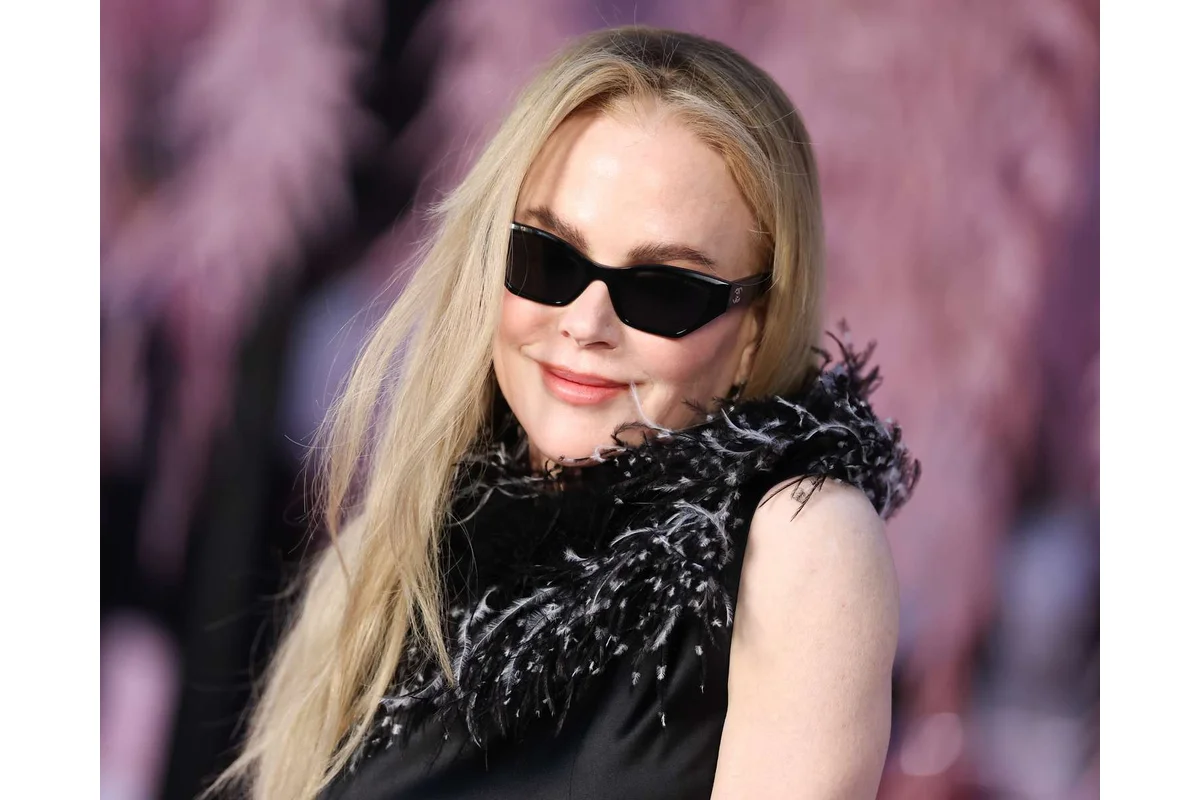
Nicole Kidman has become a prominent figure in the Nicole Kidman necktie revival, a movement where women entertainers and models are reclaiming the necktie, traditionally seen as a symbol of male authority. This resurgence is occurring amid increasing challenges to feminism in various parts of the world. The trend was visible when Kidman wore a necktie with a trouser suit at the Critics Choice Awards in February 2025, signaling a purposeful fashion choice intertwined with gender politics.
This revival is not limited to Kidman. Demi Moore appeared in Berlin last November wearing a necktie paired with a black dress and a sheer shirt, while models like Bella Hadid and Loli Bahia have also adopted the look, drawing from a long history of women using the necktie as a symbol of equality. Their sartorial choices serve as a subtle form of protest and self-expression in arenas traditionally dominated by men.
The Neckwear’s Historical Roots in Female Empowerment
The origin of the necktie dates back to the 17th century, when Croatian mercenaries fighting for Louis XIV introduced the neckscarf that inspired the French “cravate.” This word comes from “Hrvat,” the Croatian term for Croat. Since then, women have intermittently adopted the necktie as a rebellious emblem of empowerment. Notable historical figures like French feminist writers George Sand and Colette in the 19th century, as well as the British suffragettes campaigning for voting rights in the early 20th century, embraced the accessory.
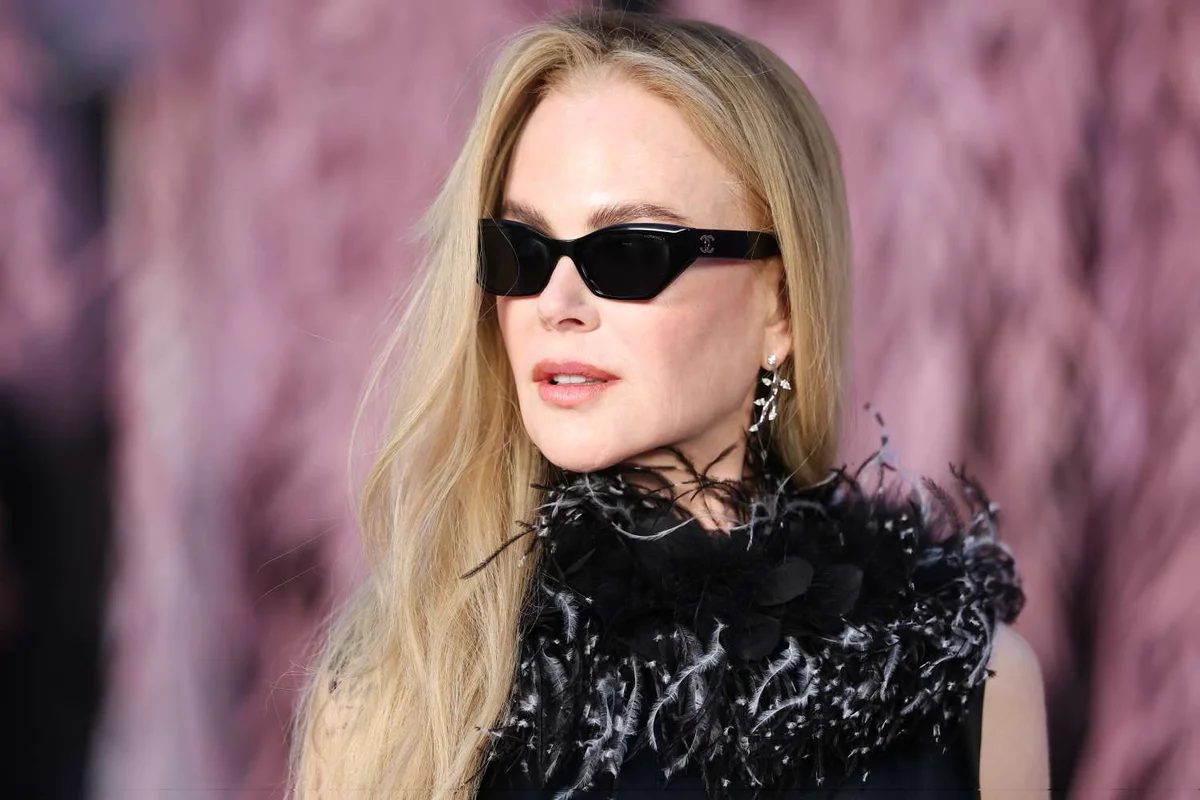
Iconic personalities, including German actress Marlene Dietrich and fashion designer Coco Chanel, also incorporated ties in their looks, further solidifying it as a statement of defiance and visibility. Marine Chaleroux, a fashion historian, describes the necktie as
“a sign of the advancement of women’s rights and then their visibility in the public space.”
Through different eras, the necktie has symbolized women’s expanding presence in professional and political spheres.
In the 1980s and 1990s, when women increasingly entered corporate leadership, the tie became
“a visual symbol of this growing access to important leadership roles in major companies or to senior positions,”
according to Chaleroux. She observes that these periodic returns of the necktie often align with times when women’s rights face setbacks or uncertainties.
Contemporary Significance of the Necktie Amid Feminist Challenges
Currently, the tie’s comeback coincides with growing political and social tensions surrounding feminism, particularly in Western countries such as the United States. Under the Trump administration, feminism was frequently criticized as “woke,” a derogatory term aimed at movements advocating for racial and gender equality. In addition, some fundamental feminist achievements, like reproductive rights, have been threatened or rolled back in several nations.
Patrycia Centeno, a specialist in fashion and non-verbal communication, commented,
“We are seeing it not only on red carpets, but also at the heart of political and economic power spheres, where leading women are wearing an accessory that, until recently, remained almost exclusively masculine.”
She added,
“It is a way of asserting women’s place in a world and a system that remains deeply patriarchal.”
Centeno further noted that the slender necktie’s return comes at a time dominated by “testosterone-driven politics,” and suggested it might be viewed as a “phallic symbol.” She said,
“Feminism often seeks to appropriate signs that, socially and culturally, were long reserved for men, in order to assert – or even visually normalise – the fact that a woman can wield power and lead.”
The Necktie’s Influence on Modern Fashion for Both Genders
Beyond its feminist symbolism among women, the necktie has also seen a resurgence in men’s fashion. Paris men’s Fashion Week last week featured its widespread return, with designers like Louis Vuitton, Dries Van Noten, and Issey Miyake showcasing the accessory. However, men’s fashion is being influenced by the more inventive and unconventional use by women.
Marc Beauge, editor of the French biannual men’s fashion magazine L’Etiquette, observed that ties are becoming part of streetwear styles, worn over wide trousers, T-shirts, and hoodies, often styled with deliberate carelessness.
“Ties that are almost streetwear, worn with very wide trousers, over T-shirts, hoodies, or even deliberately worn badly,”
he said.
Beauge described the necktie as
“completely useless, very traditional, very masculine, and which requires great precision in terms of collar, knot and length,”
suggesting this latest evolution challenges its conventional image and relevance.
The Nicole Kidman necktie revival, therefore, is not merely a fashion trend but a complex cultural statement, reflecting women’s ongoing struggle for power and representation in male-dominated spaces. As feminism confronts renewed opposition, this sartorial choice highlights how women use historical symbols to assert their presence and challenge societal norms.
Related semantic context: related coverage · external reference.
