
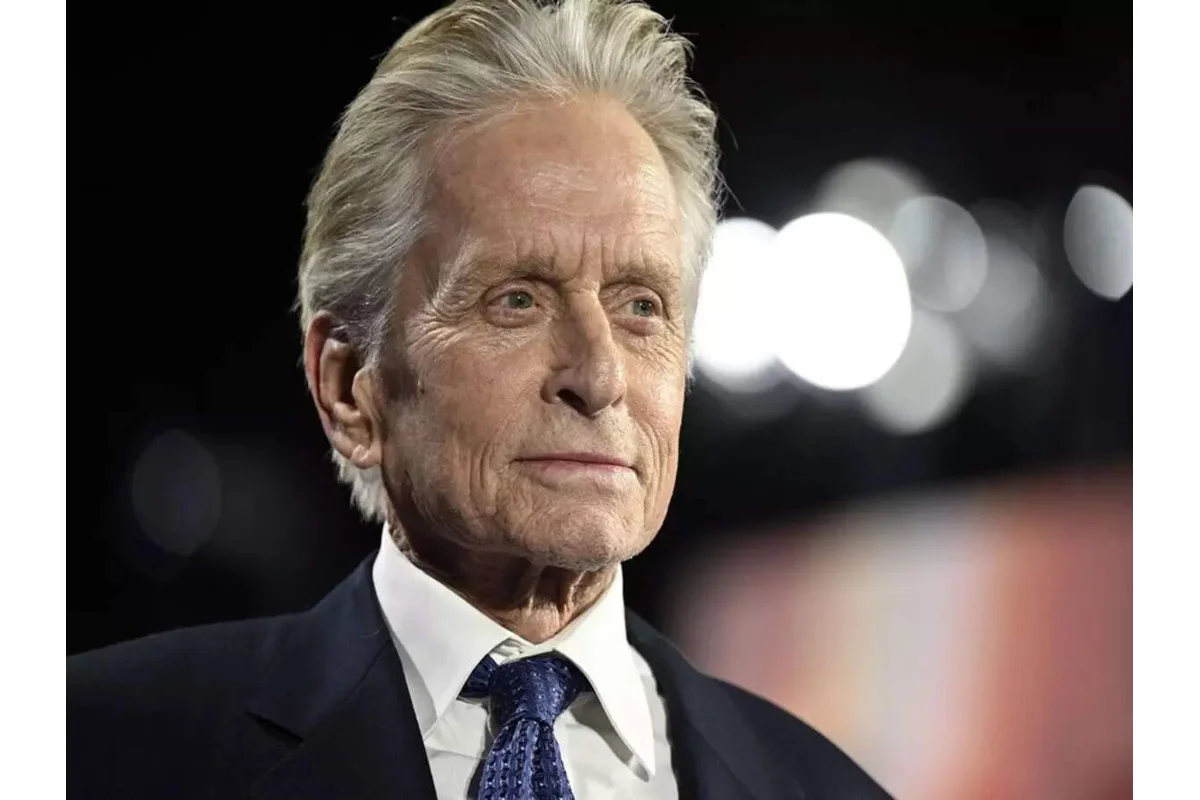
Michael Douglas is the primary entity for this article, supported by Entertainment topic context.
Related WII context: related keeper article. External authority context: industry context.
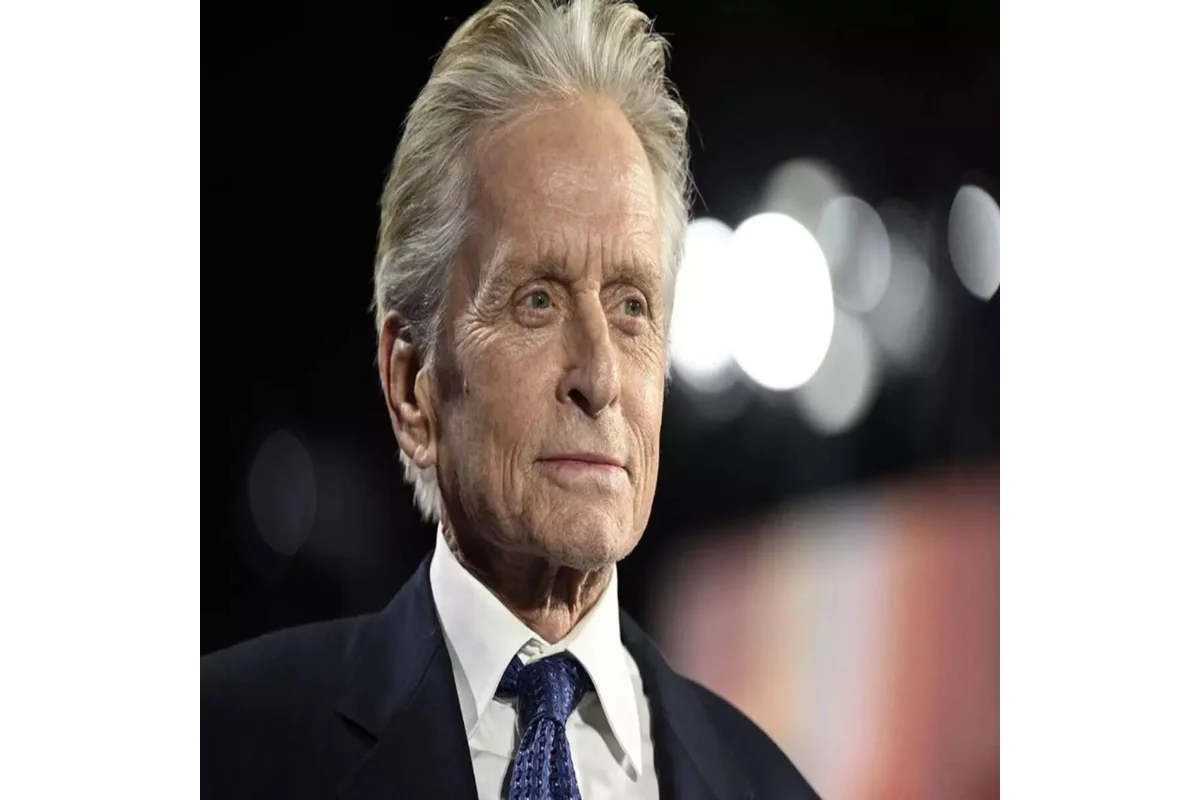
Veteran actor Michael Douglas, whose career spans nearly six decades, offered a revealing look into his experience filming the 1987 classic, Wall Street, during the TCM Classic Film Festival held at 92NY in Manhattan on January 31. Douglas discussed the intense dynamic with director Oliver Stone and how it shaped his portrayal of Gordon Gekko, the iconic character that earned him an Academy Award.
Director Oliver Stone’s Unconventional Approach on Set
During a conversation with TCM’s Alicia Malone, Douglas, 81, recalled an unexpected encounter about two weeks into the production. Stone knocked on Douglas’s trailer door and asked if he was okay, then questioned whether the actor was using drugs due to how Douglas appeared on camera.
Around the second week of finishing filming, there’s a knock on my door, and it’s Oliver,
Douglas recalled.
So he comes in the trailer and he sits down and he says to me, ‘You okay?’ and I said, ‘Yeah, I’m okay,’
before revealing that Stone then asked him if he was doing drugs.
I said, ‘none,’ and he goes, ‘You look like you’ve never acted before,’ so I said… well, I don’t like to look at the dailies unless there’s an issue or a problem, so I said, ‘I better take a look,’ and he said, ‘Yeah, you better.’
Douglas described how this exchange led him to the editing room, where he reviewed several scenes, including Gekko’s manipulative seduction of Charlie Sheen’s character, Bud Fox, and another intense moment at 21 Wall Street. After watching, Douglas expressed satisfaction with his performance, but Stone had another motive.
The Intent Behind Oliver Stone’s Direction
Douglas explained that Stone wanted him to bring more hostility and cruelty to the role, driving him to truly hate his own character to make the performance more authentic. This push from Stone reflected his demanding and unrelenting style of directing.
“So I go to the editing room and I look at two scenes. One was his seduction scene with Charlie Sheen in the back of the limo, and another one with him at 21, these two seats, and I’m looking at it really hard, and it’s pretty good. So I said, ‘Oliver, it’s pretty good,’ and he says, ‘yeah, it is isn’t it?’ and I said, ‘what are you doing?’”
Douglas continued, before explaining why Stone had really called him in.
“He wanted just a twist more nastiness and meanness for this guy, and he was willing for me to hate his guts for the rest of this movie to get that little extra… and so I cherish this story, because the truth is, in Oliver’s career, you start with Jimmy Woods in El Salvador, Tom Cruise in Born on the Fourth of July, Kevin Costner in JFK, Val Kilmer in The Doors, my performance….
“I’m sure I’m missing a whole slew of actors who have given their best performance with Oliver Stone. And why? In part, because Oliver… many directors, they’re like this patriarch figure whose actors are insecure, they’re there to support the actor, but Oliver was a Vietnam vet and he treated actors as if he was in the trenches, whether he could trust you or not, and he pushed actors.
And his record of successes with actors is quite impressive. So I’m deeply, deeply appreciative of the fact that he gave me the part, and the fact that he pushed me to another level.
The Effects of Stone’s Demanding Direction on Douglas’s Performance
Douglas acknowledged that this pattern of pushing actors to deliver their best was a hallmark of Oliver Stone’s directing style. Despite the intensity, Douglas expressed deep gratitude for the opportunity and for Stone’s method that elevated his acting.
His role as Gordon Gekko remains one of the most memorable performances of his career, earning him the Academy Award for Best Actor. In the film, Gekko is a ruthless Wall Street magnate who mentors Bud Fox, only to betray him later, embodying the darker side of 1980s financial culture.
Research and Preparation for the Role of Gekko
When asked about his preparation for portraying Gekko, Douglas said he studied several real-life figures connected to the private equity and investment industries of that era. He noted how the business environment then differed from today’s Wall Street.
“Yeah, it’s nice, if it happens. I did my homework on the picture. There were a number of different people.
“I mean, the two big differences between say, Wall Street now and then… then it was private equity, in that the people who were running this were not people who ran companies. They were private. I think they were putting deals together, almost like an agent. So they were getting commissions and making, at that time, a lot of money. It looks like bookers now.
And so, you know, I did some homework. I had a couple of friends in the area, did a lot of work. We researched several gentlemen who would talk to us. I remember going to the Drexel Burnham offices in Los Angeles with with Oliver, and we were having a nice tour [and] they were nervous. [They were] never quite sure what this movie was going to be about.
Douglas’s Continued Success After ‘Wall Street’
In addition to winning the Golden Globe for Best Actor for his role as Gekko, Douglas also released the popular thriller Fatal Attraction the same year. His career has since included over 40 films, including reprising his role as Gekko in the 2010 sequel, Wall Street: Money Never Sleeps.
Douglas, who is married to actress Catherine Zeta-Jones and is a father of three, remains a prominent Hollywood figure recognized for bringing complex characters to life through his extensive body of work.
