
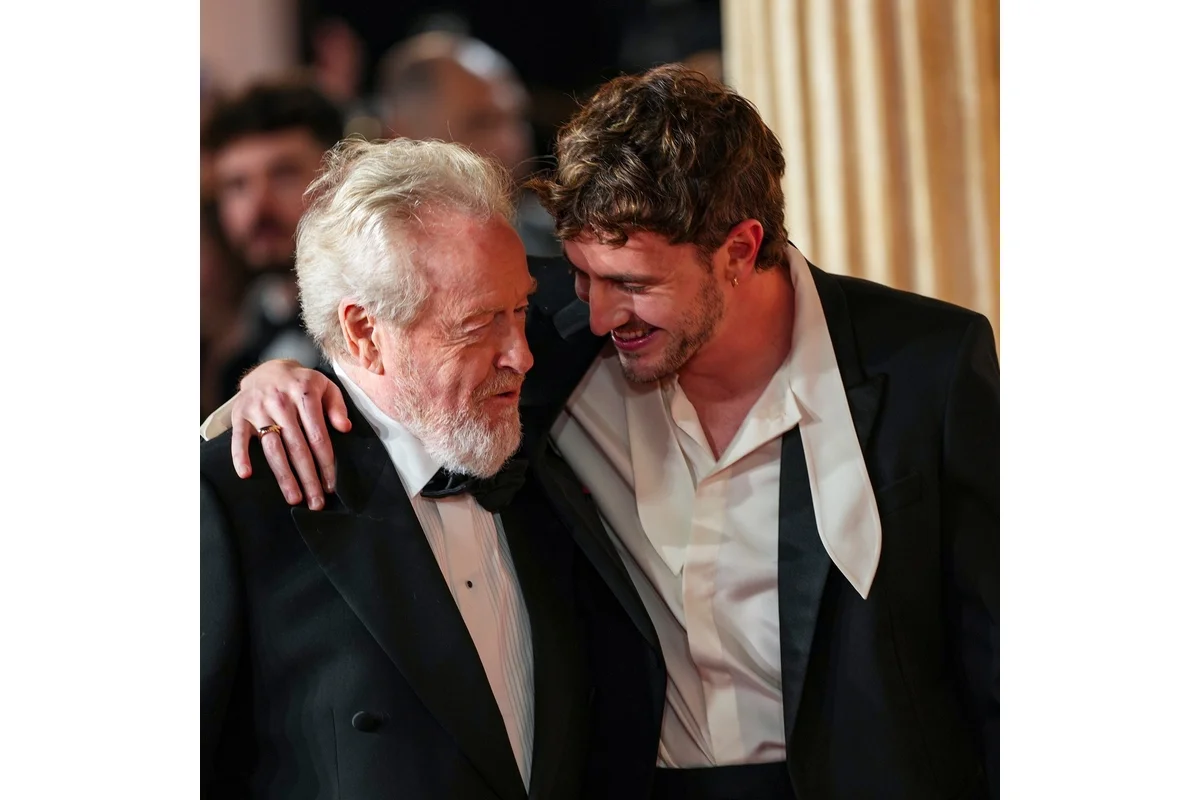
Ridley Scott, known for directing iconic films such as Alien, Blade Runner, and Gladiator, has created a vast and varied filmography. While these works have left lasting marks on cinema, many of Scott’s other movies remain overlooked by even his most dedicated fans. This article highlights some of the best Ridley Scott movies beyond his most famous titles, showcasing his range as a filmmaker.
Exploring Ridley Scott’s Directorial Debut: The Duellists (1977)
Long before Alien catapulted him to genre fame, Ridley Scott made his directorial debut with The Duellists. Set against the backdrop of the Napoleonic Wars, the film follows French officers played by Harvey Keitel and Keith Carradine, who engage in a bitter feud lasting years. Although this historical drama did not perform well financially, it earned positive reviews for its engaging performances, striking visuals, and well-executed sword fights. Despite its modest impact, The Duellists remains a hidden gem demonstrating Scott’s early talent for atmospheric storytelling.
Body of Lies (2008): A War on Terror Thriller with Complex Themes
Body of Lies features Leonardo DiCaprio as a CIA agent tracking a terrorist during the War on Terror era. With a strong supporting cast including Mark Strong, Russell Crowe, and a young Oscar Isaac, this Ridley Scott film presents a tense yet flawed narrative. Although visually impressive and well-acted, the movie is criticized for feeling more like an extended television episode, suffering from pacing issues and an anticlimactic conclusion. While it has gained some appreciation over time, Body of Lies remains a lesser-known entry in Scott’s catalog, suited for viewers seeking a suspenseful espionage thriller.

Black Rain (1988): A Noir-Influenced Thriller Set in Japan
Often mistaken as a typical 1980s buddy cop movie, Black Rain defies genre expectations with a complex, visually stunning narrative. Michael Douglas stars as a maverick detective battling bureaucratic obstacles while pursuing a criminal in Japan. The film offers a thoughtful character study, marked by Douglas confronting his own life choices. Supporting performances by Andy Garcia and Ken Takakura add depth to the story, and Jan de Bont’s cinematography heightens the film’s moody atmosphere. Black Rain feels like an unofficial spiritual successor to Blade Runner in its tone and execution, earning its place as a richly layered thriller.
G.I. Jane (1997): A Gritty Look at Determination and Gender Barriers
G.I. Jane stars Demi Moore as the fictional first woman to train alongside the Navy SEALs. Beyond the intense physical challenges she faces, the film examines the skepticism and sexism she must overcome. Although somewhat uneven in execution and occasionally clunky, G.I. Jane presents a classic underdog story reminiscent of Rocky’s narrative style. Despite its modest reception at the box office, the film has grown in stature over time, with Scott and Moore both expressing pride in its feminist themes. This movie represents an important part of Scott’s 1990s work, often overshadowed yet deserving of renewed attention.
Matchstick Men (2003): A Lighthearted Con Artist Story
Ridley Scott surprised audiences by directing Matchstick Men, a comedic thriller centered on a conman grappling with obsessive-compulsive disorder. Nicolas Cage plays the lead, whose life becomes complicated when he meets his teenage daughter, portrayed by Alison Lohman, who was actually 23 during filming. Unlike his usual intense style, Scott crafts a breezy, witty caper film with strong performances, including a memorable role from Sam Rockwell. Though it was a box office failure and remains relatively obscure, Matchstick Men is a charming and underrated movie worth rediscovery.
Someone to Watch Over Me (1987): A Steamy Crime Thriller with Emotional Depth
This lesser-known thriller stars Tom Berenger as a detective tasked with protecting a beautiful witness played by Mimi Rogers. Set in New York, the film unfolds as a noir-tinged story blending action with a complex love triangle that involves Berenger’s onscreen wife, portrayed by Lorraine Bracco. The emotional stakes and atmospheric direction elevate this film above typical genre fare, making it a compelling watch for fans who enjoy character-driven thrillers with romantic tension. It pairs well with Black Rain as examples of Scott’s skill at blending noir elements with character studies.
Kingdom of Heaven: The Director’s Cut (2006) – A Restored Epic Vision
Upon release, Kingdom of Heaven’s theatrical version received mixed reactions, criticized for focusing too heavily on spectacle at the expense of story depth. However, Ridley Scott’s 2006 director’s cut presents the film as a richly layered, darker epic exploring the Crusades. Although Orlando Bloom’s lead performance was seen as just adequate, he was supported by a strong ensemble cast including Eva Green, Jeremy Irons, and Edward Norton. This version reveals Scott’s intended narrative and thematic complexity, making it one of his finest achievements in the 21st century. The director’s cut remains a testament to the benefits of creative control, showing what can be lost when studio demands override artistic vision.
Ridley Scott’s body of work extends far beyond his most celebrated blockbusters, encompassing a diverse range of genres and tones. From gripping historical dramas to nuanced character studies, these seven films showcase the director’s ability to combine visual craftsmanship with storytelling depth, even when the movies fly under the radar. For devotees of Scott and cinephiles eager to explore hidden cinematic treasures, these titles offer both discovery and renewed appreciation for one of cinema’s most restless visionaries. Looking forward, revisiting or uncovering these films may inspire new recognition of Scott’s varied contributions to film, far apart from the mainstream hits he is often defined by.
Related semantic context: related coverage · external reference.
