

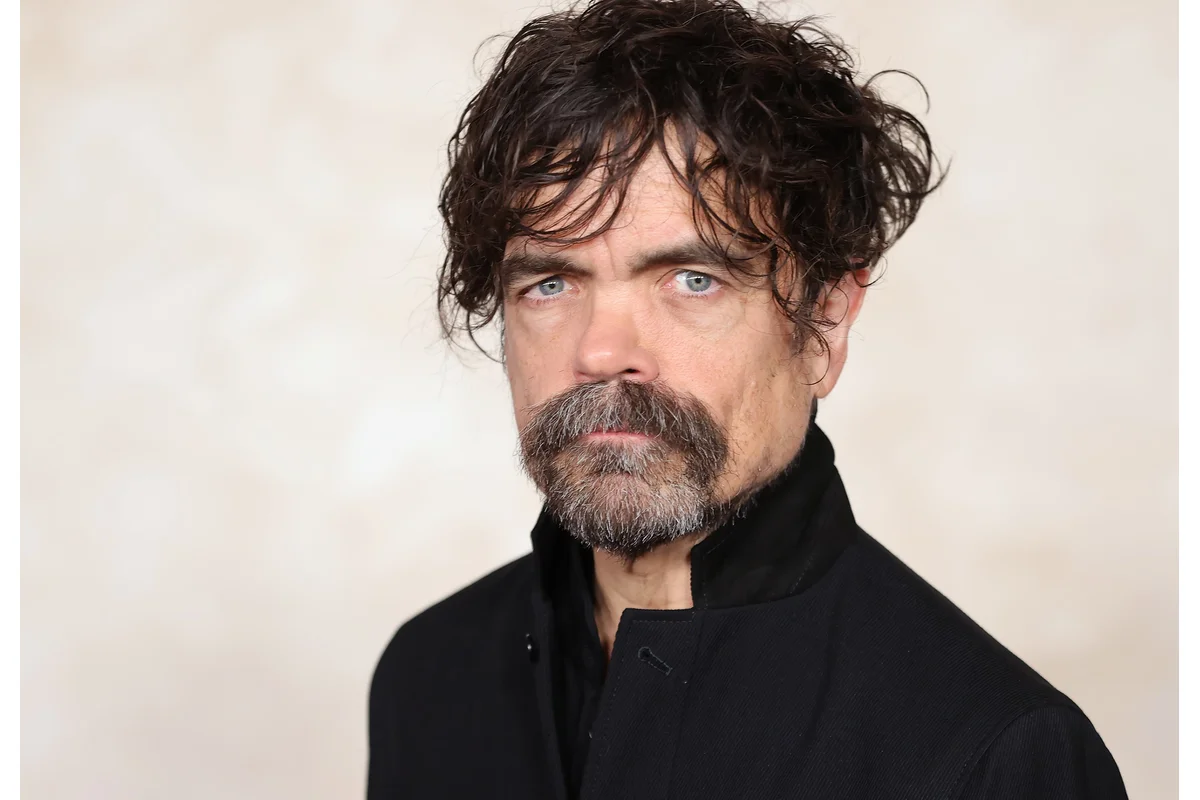
At a recent public event, actor Peter Dinklage recited a powerful poem in response to the fatal shooting of Renee Good, a 37-year-old ICE agitator who was killed after striking a federal agent with her vehicle. The poem, written by Amanda Gorman and centered on this tragic incident, was read to highlight the pain and anger surrounding the event and to call attention to the ongoing tensions with U.S. Immigration and Customs Enforcement (ICE).
Reading Amanda Gorman’s Tribute
Introducing the poem, Dinklage explained its origin, stating,
“This is a poem by Amanda Gorman, called, ‘For Renee Nicole Good, Killed by ICE on January 7, 2026,’”
before beginning his reading. His performance included stirring lines such as,
“Blood blown like rose, iced wheels flinched and froze,”
which evoked vivid images tied to the violent encounter involving Good. Throughout his recitation, Dinklage’s tone conveyed deep emotion and frustration as he moved through verses that captured grief and resilience.
He further emphasized the tribute by declaring,
“They say she is no more, that there her absence roars, blood-blown like a rose, iced wheels flinched & froze,”
followed closely by the lines,
“Now, bare riot of candles, dark fury of flowers, pure howling of hymns.”
Continuing, Dinklage urged listeners to recognize the sorrow as well as the strength emerging from this tragedy:
“If for us she arose, somewhere, in the pitched deep of our grief, crouches our power, the howl where we begin, straining upon the edge of the crooked crater of the worst of what we’ve been.”
Demand for Change and Endurance of Spirit
Highlighting the possibility of transformation brought about by collective action, the actor proclaimed,
“Change is only possible, and all the greater, when the labor and bitter anger of our neighbors is moved by the love and better angels of our nature. What they call death and void, we know is breath and voice. In the end, gorgeously, endures our enormity.”
Dinklage ended the reading with a defiant note, stating,
“You could believe departed to be the dawn, when the blank night has so long stood,”
before stomping his foot in what appeared to be an expression of frustration. He concluded firmly,
“But our bright-fled angels will never be fully gone, when they forever are so fiercely Good,”
and then exited the stage.
Celebrity Reactions to ICE and Federal Enforcement
Dinklage’s reading adds to a growing chorus of entertainers criticizing ICE following controversial shootings during federal operations. On the same day, singer Rosanne Cash urged fans who support the Trump administration to unfollow her after accusing the U.S. Department of Homeland Security (DHS) of being “too busy shooting private citizens.”
Similarly, actress Eva Longoria publicly declared that ICE agents are “blatantly murdering U.S. citizens,” a statement that has stirred considerable debate. Meanwhile, Giancarlo Esposito, noted for his role as Gus Fring in Breaking Bad, called for a “revolution” aimed at combating ICE’s actions, openly discussing the potential for a high death toll while claiming survival for a majority.
Esposito stated,
“This is time for a revolution,”
and added,
“They can’t take us all down. If the whole world showed up on Putin’s doorstep or the Iranians’ doorstep or in Washington, they’ll kill 500, 50 million, or however [many], but the rest of us would survive.”
The Broader Implications of Artistic Protest
Peter Dinklage’s poetry reading reflects the growing frustration and distress among critics of ICE, highlighting how cultural figures are using their platforms to express anger and demand justice. The performance underscores the fractures within American society over immigration enforcement, the use of federal force, and the impact on communities involved in or affected by these operations.
As this debate continues, the voices of artists and celebrities like Dinklage, alongside activists and the public, are likely to influence discourse around federal policies and enforcement practices, possibly shaping future discussions on immigration and civil rights.
Related semantic context: related coverage · external reference.
